1. Basic Information
- Word: 地形
- Pinyin: dìxíng
- Literal Meaning: “earth/land shape” or “ground form”
- Primary Meaning: terrain; landform; topography — the physical shape and features of a piece of land
2. In-depth Explanation
- Context and Usage:
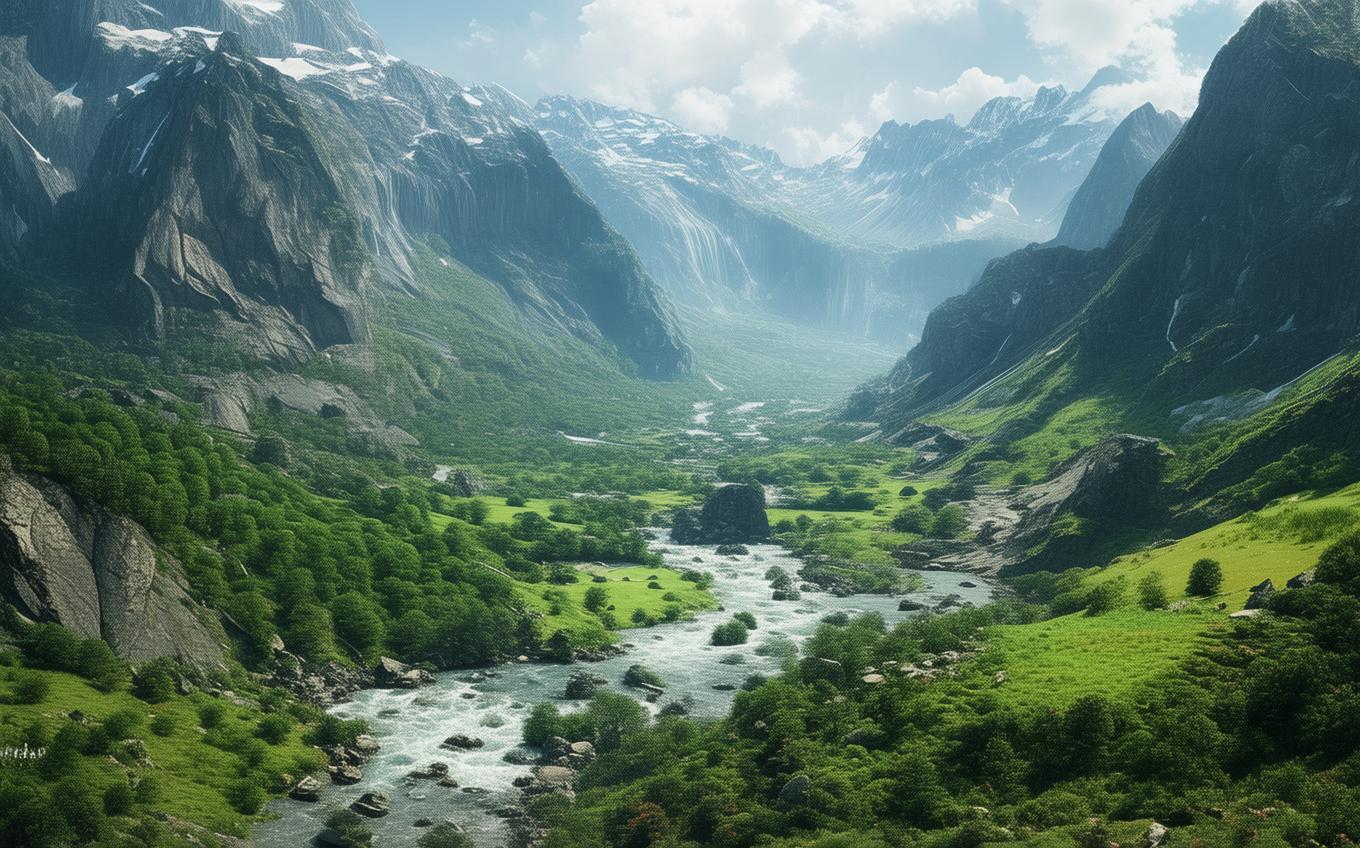
地形 is used to describe the natural physical features of land, such as mountains, valleys, plains, hills, rivers, and slopes. It is commonly used in geography, travel, military discussion, construction, urban planning, and environmental studies.
In English, 地形 can often be translated as “terrain” or “topography.”
- Use “terrain” when talking generally about the condition or shape of the land, especially in practical situations like hiking, driving, or military movement.
- Use “topography” when the context is more technical, scientific, or geographic.
For example:
- 山区地形 means “mountainous terrain.”
- 复杂的地形 means “complex terrain.”
- 地形图 means “topographic map.”
-
Character Breakdown:
地形 is made of two characters: -
地 (dì): land; earth; ground
This character often relates to the earth, land, or a place. For example, 地方 means “place,” and 地球 means “Earth.” -
形 (xíng): shape; form; appearance
This character refers to the shape or form of something. For example, 形状 means “shape,” and 形式 means “form.”
Together, 地形 literally means “the shape of the land,” which naturally becomes “terrain” or “topography.”
3. Example Sentences
- Chinese: 这个地区的地形很复杂。
- Pinyin: Zhège dìqū de dìxíng hěn fùzá.
-
English: The terrain of this area is very complex.
-
Chinese: 我们需要先研究这里的地形。
- Pinyin: Wǒmen xūyào xiān yánjiū zhèlǐ de dìxíng.
-
English: We need to study the terrain here first.
-
Chinese: 这张地图显示了山脉和河流的地形。
- Pinyin: Zhè zhāng dìtú xiǎnshì le shānmài hé héliú de dìxíng.
- English: This map shows the topography of the mountains and rivers.
Cultural Notes (if applicable)
China has a very diverse 地形, including mountains, plateaus, deserts, plains, basins, and river valleys. Because of this, the word 地形 is very common in Chinese geography education.
For example, Chinese students often learn that China’s terrain is generally described as 西高东低 (xī gāo dōng dī), meaning “higher in the west and lower in the east.” This refers to the fact that western China has high plateaus and mountains, while eastern China has lower plains and coastal areas.
The word 地形 is also important in Chinese history and military culture. Many historical battles were influenced by mountains, rivers, and difficult terrain, so understanding 地形 was considered essential for strategy.
Conclusion
地形 (dìxíng) means “terrain” or “topography.” It literally means “the shape of the land.” Remember: 地 means “land” or “ground,” and 形 means “shape” or “form.” Use 地形 when talking about the natural physical features of an area, especially in geography, travel, construction, or military contexts.
Sources and Further Reading
Dictionary links are provided for independent reference. Example sentences and learning notes on this page are educational explanations rather than dictionary quotations.



Comments (0)
No comments yet. Be the first to comment!