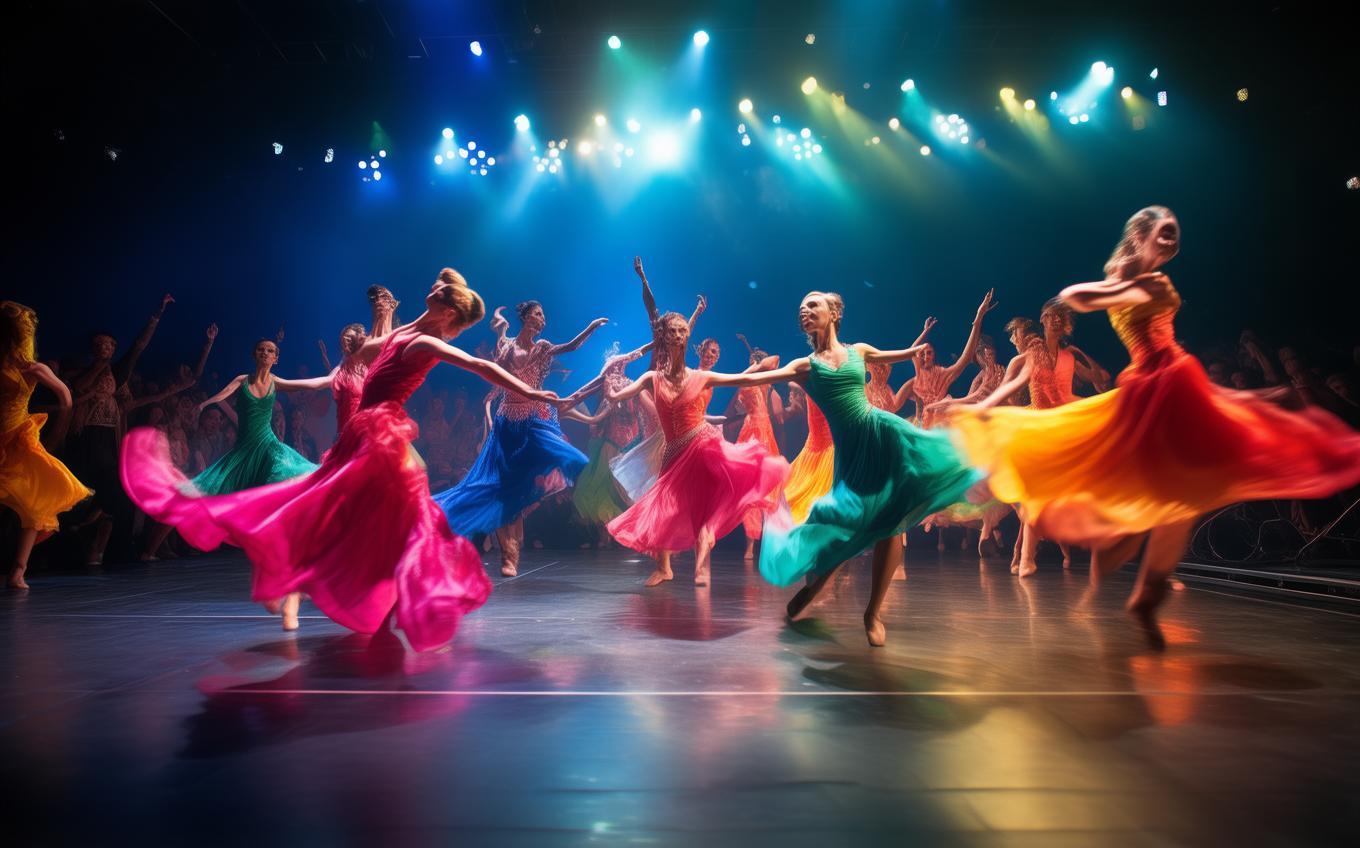
1. Basic Information
- Word: 舞蹈
- Pinyin: wǔ dǎo
- Literal Meaning: "Dance" (舞) + "Move rhythmically" (蹈)
- Primary Meaning: The art of dancing; a performance or series of movements following a rhythmic pattern, often to music.
2. In-depth Explanation
- Context and Usage:
- "舞蹈" is a formal and general term for dance as an art form or physical activity. It can refer to any style, from traditional Chinese dance to ballet or modern dance.
- It is commonly used in contexts like dance performances, classes, or discussions about dance as an art.
-
Unlike more casual terms like "跳舞" (tiào wǔ, "to dance casually"), "舞蹈" emphasizes the artistic or structured aspect of dance.
-
Character Breakdown:
- 舞 (wǔ): Means "dance" or "to dance." It often represents graceful, intentional movements.
- 蹈 (dǎo): Means "to tread" or "to step rhythmically." It emphasizes the physical execution of dance steps.
- Together, they form a word that captures the essence of dance as both an art and a physical discipline.
3. Example Sentences
-
Chinese: 她从小学习舞蹈,现在是一名专业的舞蹈演员。
Pinyin: Tā cóngxiǎo xuéxí wǔdǎo, xiànzài shì yī míng zhuānyè de wǔdǎo yǎnyuán.
English: She has been learning dance since childhood and is now a professional dancer. -
Chinese: 这个节日庆典上会有传统的民族舞蹈表演。
Pinyin: Zhège jiérì qìngdiǎn shàng huì yǒu chuántǒng de mínzú wǔdǎo biǎoyǎn.
English: There will be traditional folk dance performances at this festival celebration. -
Chinese: 舞蹈是一种表达情感的美妙方式。
Pinyin: Wǔdǎo shì yī zhǒng biǎodá qínggǎn de měimiào fāngshì.
English: Dance is a wonderful way to express emotions.
Cultural Notes
- In Chinese culture, dance has a long history, dating back to ancient rituals and ceremonies. Traditional dances like the "Lion Dance" (舞狮, wǔ shī) or "Dragon Dance" (舞龙, wǔ lóng) are iconic parts of festivals.
- Classical Chinese dance often incorporates elements of martial arts and opera, emphasizing fluidity and storytelling.
- Modern dance in China blends traditional styles with contemporary influences, reflecting the country's evolving artistic landscape.
Conclusion
"舞蹈" (wǔ dǎo) is the Chinese term for dance as an art form, combining graceful movement (舞) and rhythmic steps (蹈). It is used in formal and artistic contexts, from traditional performances to modern expressions. Remember it as the word for structured, expressive dance!
Sources and Further Reading
Dictionary links are provided for independent reference. Example sentences and learning notes on this page are educational explanations rather than dictionary quotations.

Comments (0)
No comments yet. Be the first to comment!