1. Basic Information
- Word: 叠加
- Pinyin: diéjiā
- Literal Meaning: “to stack and add”
- Primary Meaning: to superimpose; to overlap; to add one thing on top of another, often producing a combined effect
2. In-depth Explanation
- Context and Usage: 叠加 is used when two or more things are added together, layered, or combined so that their effects accumulate. It is common in both everyday and formal contexts.
In English, 叠加 can often be translated as “to overlap,” “to stack,” “to superimpose,” or “to accumulate,” depending on the context.
It is often used for:
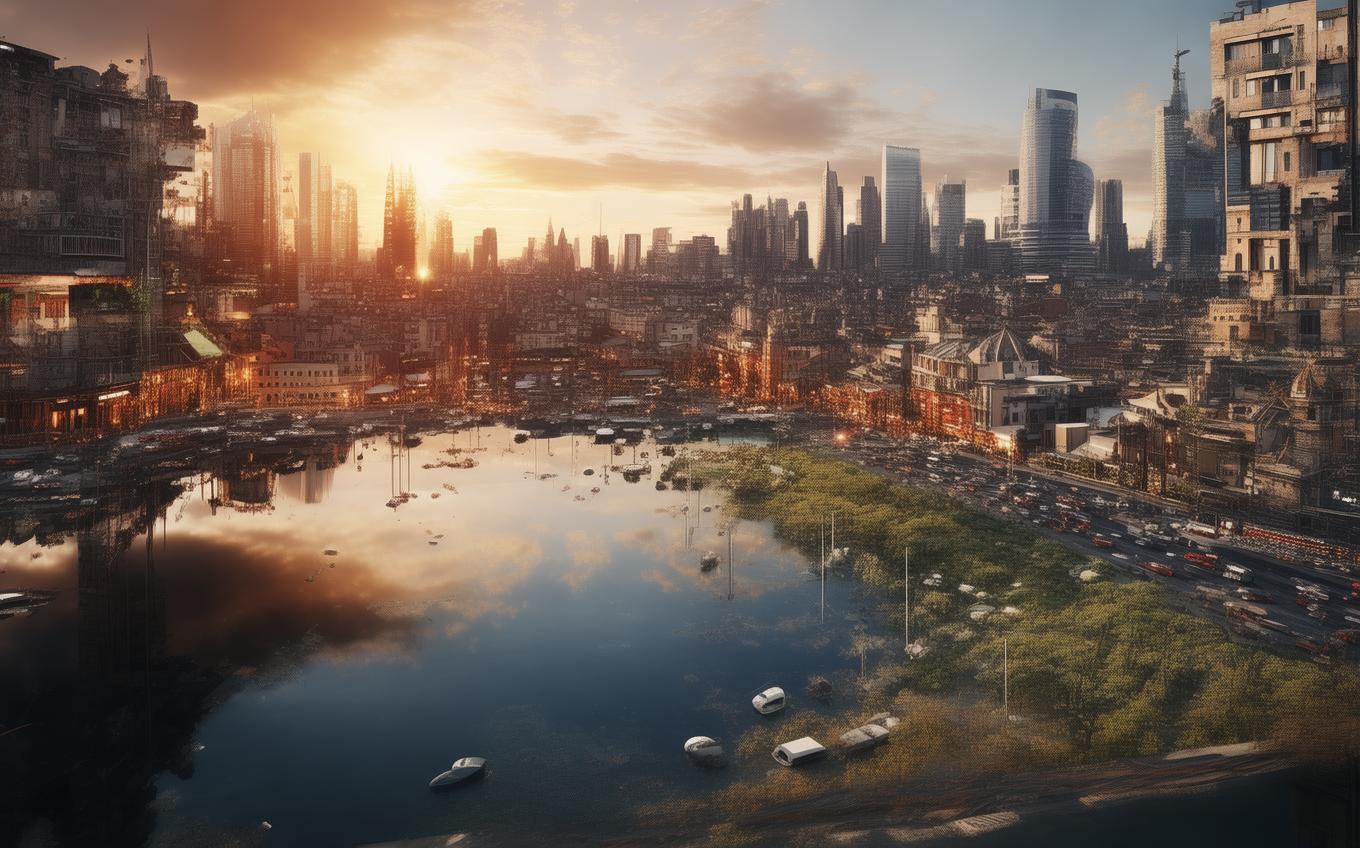
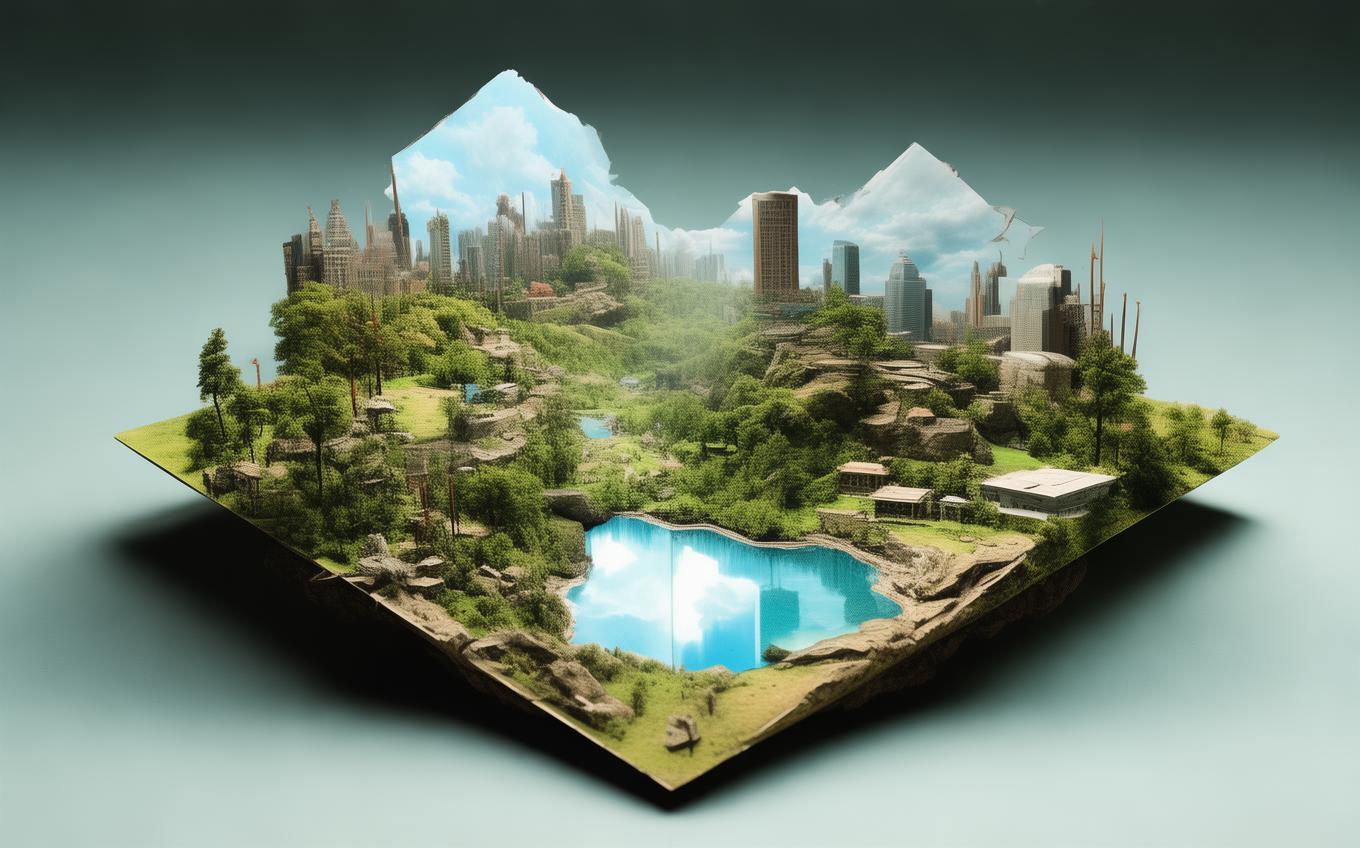
- physical layers, such as images, colors, sounds, or objects placed on top of one another
- abstract effects, such as pressure, risks, problems, advantages, or influences building up together
- technical or scientific contexts, such as wave superposition, signal overlay, or combined effects
A useful nuance is that 叠加 usually emphasizes combination through layering or accumulation. It does not simply mean “add” in a basic arithmetic sense. For example, adding two numbers is usually 加, but when multiple effects, layers, or factors combine, 叠加 is more natural.
- Character Breakdown:
- 叠: to stack; to fold; to pile up in layers
- 加: to add; to increase; to apply
Together, 叠加 suggests “adding by stacking or layering,” which leads to the meaning “to superimpose” or “to accumulate.”
3. Example Sentences
- Chinese: 这两种颜色叠加在一起,效果很特别。
- Pinyin: Zhè liǎng zhǒng yánsè diéjiā zài yìqǐ, xiàoguǒ hěn tèbié.
-
English: These two colors overlap together, creating a very special effect.
-
Chinese: 工作压力和家庭问题叠加,让他感到很疲惫。
- Pinyin: Gōngzuò yālì hé jiātíng wèntí diéjiā, ràng tā gǎndào hěn píbèi.
-
English: Work pressure and family problems accumulated together, making him feel very exhausted.
-
Chinese: 多种因素叠加,导致了这次价格上涨。
- Pinyin: Duō zhǒng yīnsù diéjiā, dǎozhì le zhè cì jiàgé shàngzhǎng.
- English: Multiple factors combined, leading to this price increase.
Cultural Notes (if applicable)
叠加 is especially common in modern Chinese discussions about economics, society, science, technology, and daily stress. For example, Chinese news reports may say 多重因素叠加, meaning “multiple factors combined,” often to explain a complex result such as price changes, weather events, market trends, or social pressure.
In technical fields, 叠加 can also correspond to “superposition” or “overlay.” For instance, in physics, 波的叠加 means “superposition of waves.” In image editing or design, 图层叠加 can mean “layer overlay.”
Conclusion
叠加 means that things are layered, overlapped, or combined so their effects build on one another. Remember it through its characters: 叠 means “to stack,” and 加 means “to add.” Together, 叠加 means “to add by stacking,” making it useful for both physical layers and abstract accumulated effects.
Sources and Further Reading
Dictionary links are provided for independent reference. Example sentences and learning notes on this page are educational explanations rather than dictionary quotations.
Comments (0)
No comments yet. Be the first to comment!