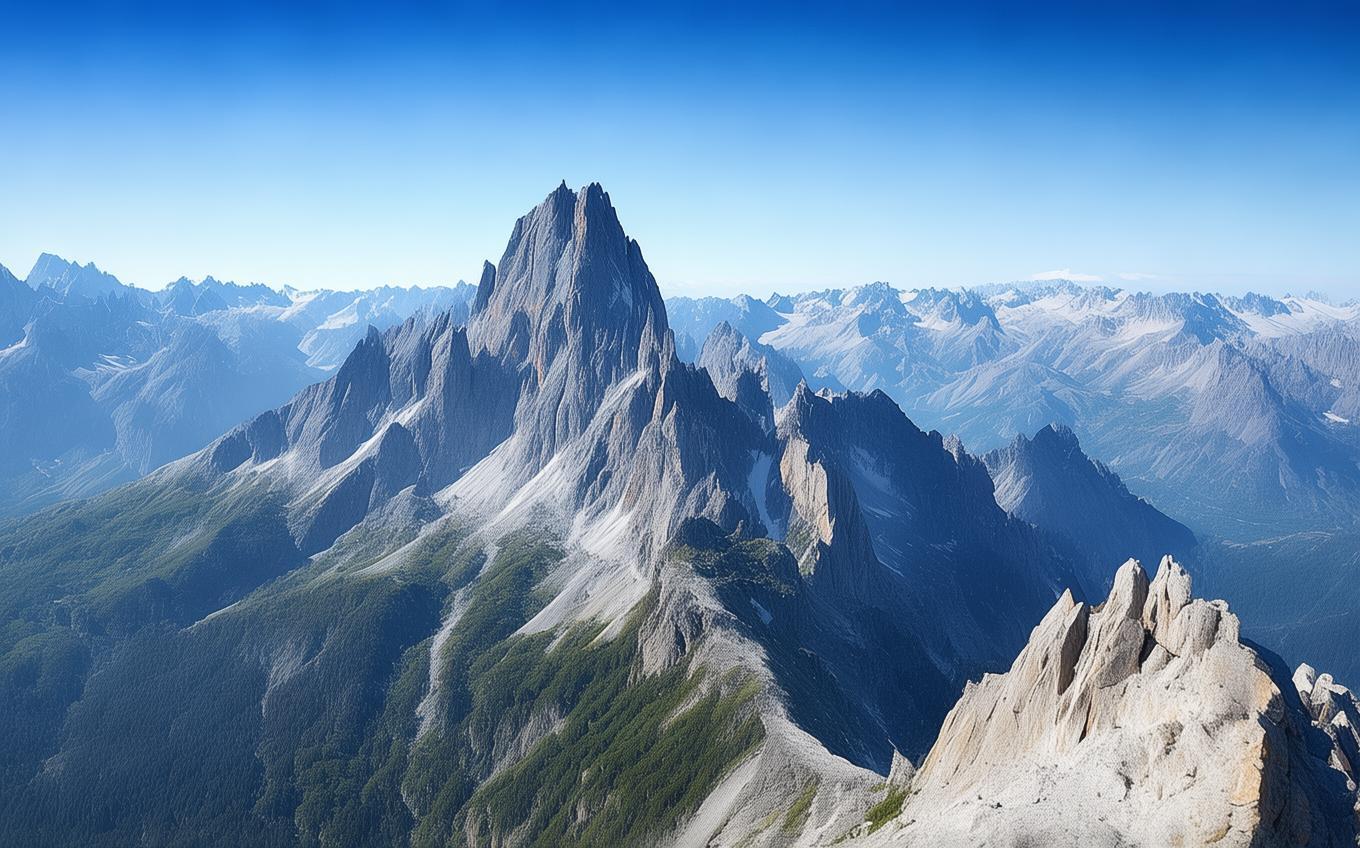
1. Basic Information
- Word: 顶峰
- Pinyin: dǐngfēng
- Literal Meaning: “top peak” or “summit peak”
- Primary Meaning: the highest point, peak, summit, or climax of something
2. In-depth Explanation
- Context and Usage:
顶峰 is used to describe the highest point of something, either physically or figuratively.
In a physical sense, it can refer to the top of a mountain or a peak. However, in modern Chinese, it is very often used figuratively to describe the highest level of achievement, success, power, fame, development, or intensity.
For example, you can use 顶峰 to talk about:
- the peak of someone’s career
- the height of an empire’s power
- the climax of a performance
- the highest stage of development
- the summit of a mountain
It is similar to English words like “peak,” “summit,” “height,” or “climax,” depending on the context.
A common structure is:
达到顶峰
dádào dǐngfēng
“to reach the peak”
Another common phrase is:
事业的顶峰
shìyè de dǐngfēng
“the peak of one’s career”
- Character Breakdown:
顶峰 is made of two characters:
顶 means “top,” “apex,” or “highest part.” It can refer to the very top of an object, such as the top of the head or the top of a mountain.
峰 means “peak” or “summit,” especially the peak of a mountain.
Together, 顶峰 literally means “top peak,” emphasizing the highest point of something.
3. Example Sentences
- Chinese: 他在三十岁时达到了事业的顶峰。
- Pinyin: Tā zài sānshí suì shí dádào le shìyè de dǐngfēng.
-
English: He reached the peak of his career at the age of thirty.
-
Chinese: 这座山的顶峰终年积雪。
- Pinyin: Zhè zuò shān de dǐngfēng zhōngnián jīxuě.
-
English: The summit of this mountain is covered with snow all year round.
-
Chinese: 这场比赛把观众的情绪推向了顶峰。
- Pinyin: Zhè chǎng bǐsài bǎ guānzhòng de qíngxù tuīxiàng le dǐngfēng.
- English: This match pushed the audience’s emotions to a climax.
Cultural Notes (if applicable)
In Chinese, mountain-related imagery is often used to describe success, status, and achievement. Words like 高峰 and 顶峰 can both refer to a “peak,” but 顶峰 often sounds slightly more absolute, emphasizing the very highest point.
For example:
事业的高峰 can mean “a high point in one’s career.”
事业的顶峰 suggests “the very peak of one’s career.”
Because of this, 顶峰 is commonly used in biographies, historical writing, business discussions, sports commentary, and descriptions of artistic achievement.
Conclusion
顶峰 means “peak,” “summit,” or “highest point.” It can describe the top of a mountain, but it is especially useful for talking about the highest stage of success, power, emotion, or development. To remember it, think of 顶 as “top” and 峰 as “mountain peak”: together, 顶峰 means the very top or highest point.
Sources and Further Reading
Dictionary links are provided for independent reference. Example sentences and learning notes on this page are educational explanations rather than dictionary quotations.



Comments (0)
No comments yet. Be the first to comment!