1. Basic Information
- Word: 东西
- Pinyin: dōngxi
- Literal Meaning: “east and west”
- Primary Meaning: “thing,” “stuff,” “object,” or “something”
2. In-depth Explanation
- Context and Usage:
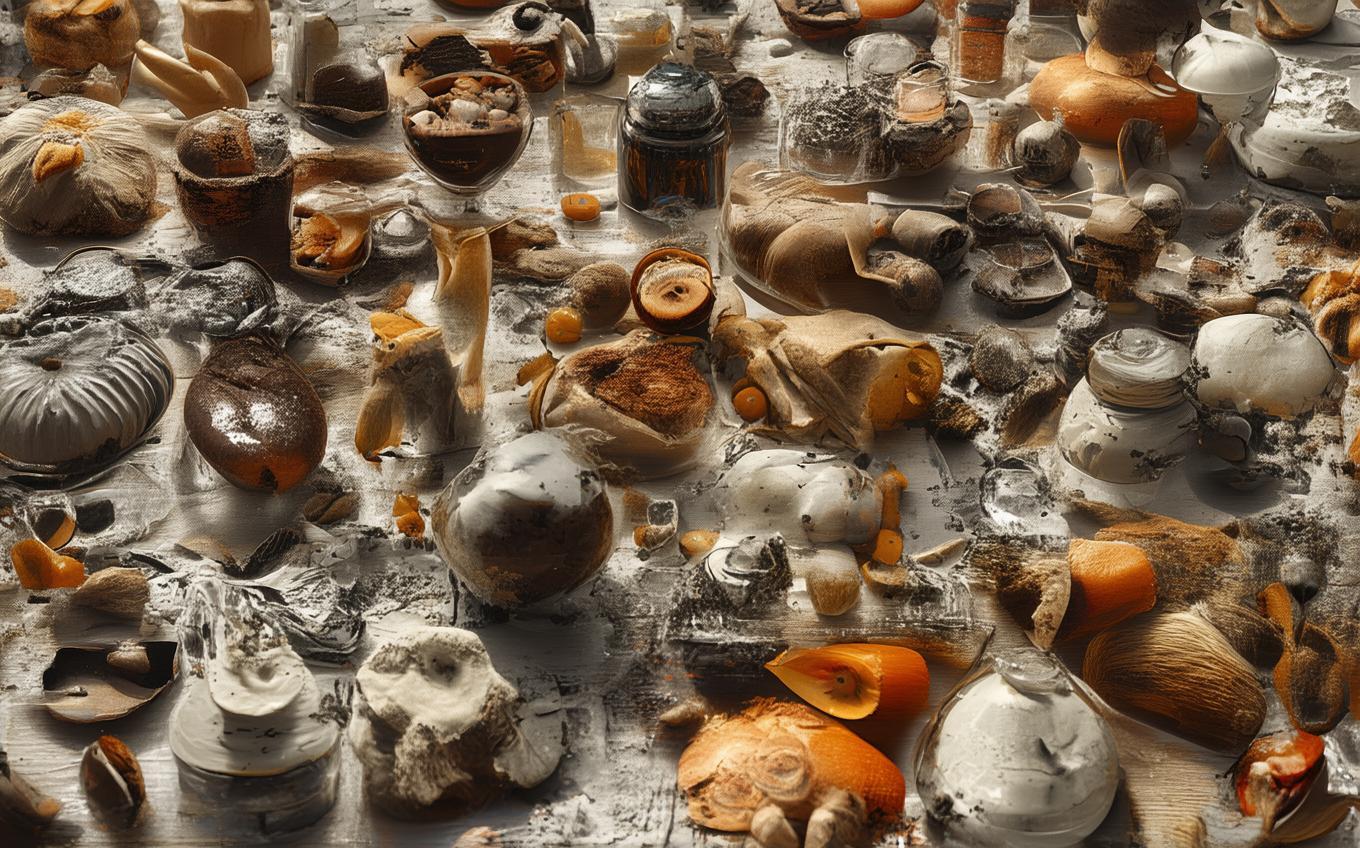
东西 is a very common everyday Chinese word used to refer to physical objects, items, or things in general. It is similar to English words like “thing,” “stuff,” or “object.”
You can use 东西 when you do not know the name of an object, when the exact name is not important, or when talking about items in a general way.
For example, if you say “I bought some things,” you can say 我买了一些东西. Here, 东西 refers generally to items or stuff.
Important pronunciation note:
When 东西 means “thing” or “stuff,” it is pronounced dōngxi, with 西 in the neutral tone.
When 东西 literally means “east and west,” it is pronounced dōng xī, with both characters keeping their original tones.
东西 usually refers to physical things, but it can sometimes refer to abstract “things” depending on context, such as knowledge, ideas, or content. However, for abstract ideas, Chinese may also use words like 事情 or 事.
- Character Breakdown:
东 means “east.”
西 means “west.”
Literally, 东西 means “east and west.” Over time, it developed into a general word meaning “things” or “objects.” In modern Chinese, this everyday meaning is much more common than the literal directional meaning.
3. Example Sentences
- Chinese: 这是什么东西?
- Pinyin: Zhè shì shénme dōngxi?
-
English: What is this thing?
-
Chinese: 我买了一些东西。
- Pinyin: Wǒ mǎi le yìxiē dōngxi.
-
English: I bought some things.
-
Chinese: 请把你的东西拿走。
- Pinyin: Qǐng bǎ nǐ de dōngxi názǒu.
- English: Please take your things away.
Cultural Notes (if applicable)
东西 is one of the most useful beginner Chinese words because it appears constantly in daily conversation. It is flexible and natural, especially when talking about belongings, shopping, objects, or unknown items.
However, learners should be careful: 东西 can sometimes sound rude if used to refer to a person. For example, saying 他不是个好东西 literally means “He is not a good thing,” but it actually means “He is a bad person” or “He is no good.” This expression is informal and negative.
Also, the pronunciation changes the meaning:
- 东西 dōngxi = thing, stuff
- 东西 dōng xī = east and west
So tone and context are very important.
Conclusion
东西 is a common and practical Chinese word meaning “thing” or “stuff.” Although the characters literally mean “east” and “west,” in everyday speech 东西 usually refers to objects or belongings. Remember that when it means “thing,” it is pronounced dōngxi, with the second syllable in the neutral tone.
Sources and Further Reading
Dictionary links are provided for independent reference. Example sentences and learning notes on this page are educational explanations rather than dictionary quotations.


Comments (0)
No comments yet. Be the first to comment!