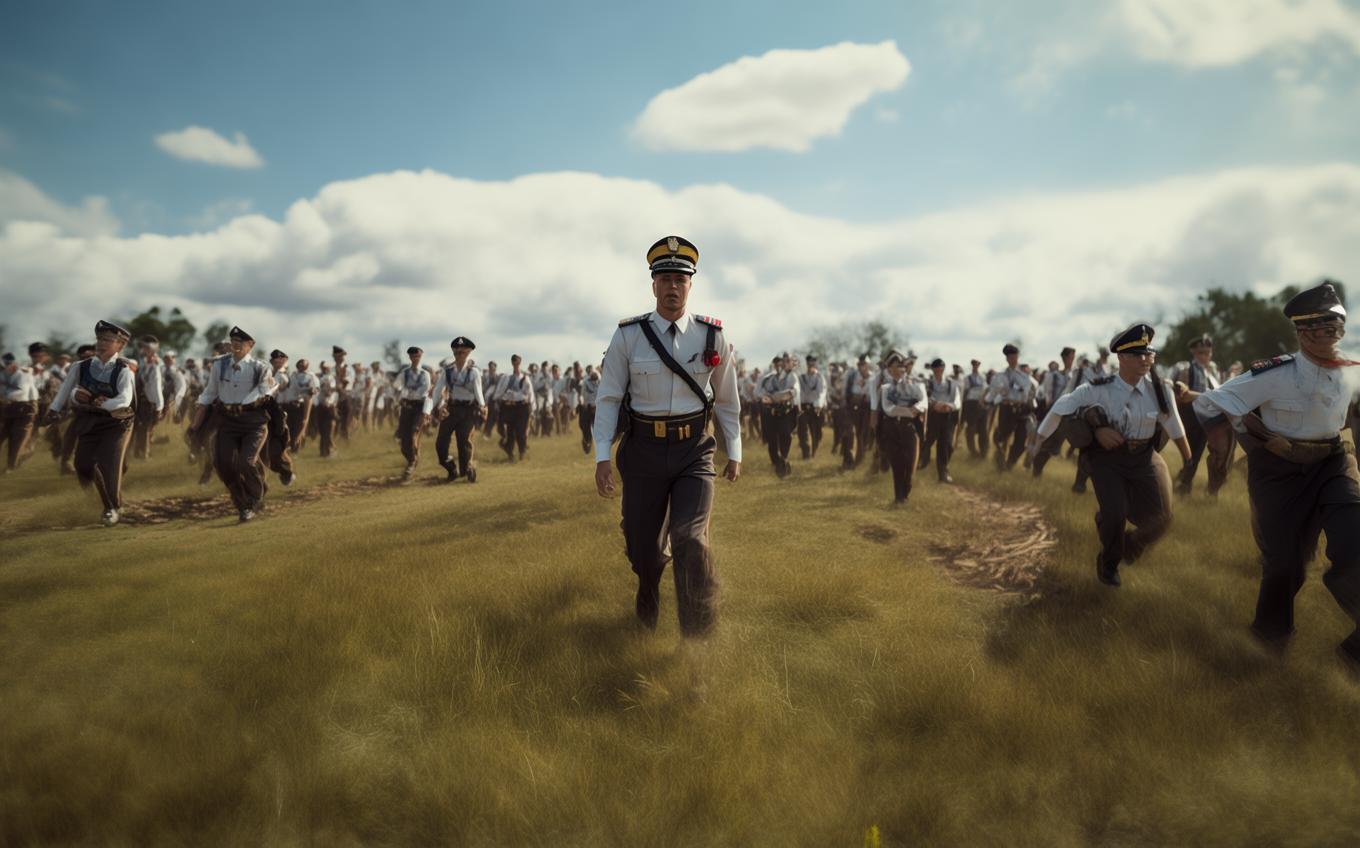
1. Basic Information
- Word: 动员
- Pinyin: dòngyuán
- Literal Meaning: “to move personnel” or “to activate members”
- Primary Meaning: to mobilize; to call on or encourage people to take action, usually for a shared goal
2. In-depth Explanation
- Context and Usage:
The word 动员 is commonly used when a person, organization, school, company, government, or group encourages people to participate in an activity or take action. It often implies organized effort and persuasion.
In English, 动员 can be translated as:
- “to mobilize”
- “to call on”
- “to encourage”
- “to rally”
- “to get people involved”
It is often used in contexts such as:
- organizing volunteers
- preparing for an event
- encouraging employees or students
- public campaigns
- military or emergency preparation
For example, a school might 动员学生 to join a volunteer activity, or a company might 动员员工 to work together on an important project.
Nuance:
动员 is stronger and more organized than simply “ask.” It suggests that people are being encouraged or rallied to participate, often as part of a collective effort.
-
Character Breakdown:
动员 is made of two characters: -
动: to move; to act; to start moving
- 员: member; personnel; staff member
Together, 动员 gives the idea of “getting people moving” or “activating members of a group.”
3. Example Sentences
- Chinese: 老师动员学生参加志愿者活动。
- Pinyin: Lǎoshī dòngyuán xuéshēng cānjiā zhìyuànzhě huódòng.
-
English: The teacher encouraged the students to participate in the volunteer activity.
-
Chinese: 公司动员全体员工完成这个项目。
- Pinyin: Gōngsī dòngyuán quántǐ yuángōng wánchéng zhège xiàngmù.
-
English: The company mobilized all employees to complete this project.
-
Chinese: 政府动员市民节约用水。
- Pinyin: Zhèngfǔ dòngyuán shìmín jiéyuē yòngshuǐ.
- English: The government called on citizens to save water.
Cultural Notes (if applicable)
动员 is a word often heard in formal or organized settings in Chinese-speaking societies. It can appear in schools, workplaces, government announcements, public service campaigns, and news reports.
Historically, 动员 has also been used in military and political contexts, meaning to mobilize troops, resources, or the public. Because of this, the word can sometimes sound formal, serious, or collective. However, it is also common in everyday organizational contexts, such as preparing for a school event or encouraging people to join a community activity.
A common phrase is 动员大会, which means a “mobilization meeting” or “rally meeting.” This kind of meeting is held to motivate a group before an important task, campaign, or event.
Conclusion
动员 means “to mobilize” or “to encourage people to take action.” Remember it as “getting people moving” toward a shared goal. It is often used in organized, group-based situations, such as schools, companies, communities, and public campaigns.
Sources and Further Reading
Dictionary links are provided for independent reference. Example sentences and learning notes on this page are educational explanations rather than dictionary quotations.



Comments (0)
No comments yet. Be the first to comment!