
1. Basic Information
- Word: 繁忙
- Pinyin: fán máng
- Literal Meaning: "numerous and busy" or "many things + busy"
- Primary Meaning: busy, hectic, bustling
2. In-depth Explanation
- Context and Usage:
"繁忙" is an adjective used to describe a state of being very busy, usually due to a large amount of work, activity, or traffic. It is commonly used in both spoken and written Chinese, but it often carries a slightly more formal or descriptive tone than the simple word "忙" (máng).
You can use "繁忙" to describe: - A person's work schedule: 工作繁忙 (busy with work)
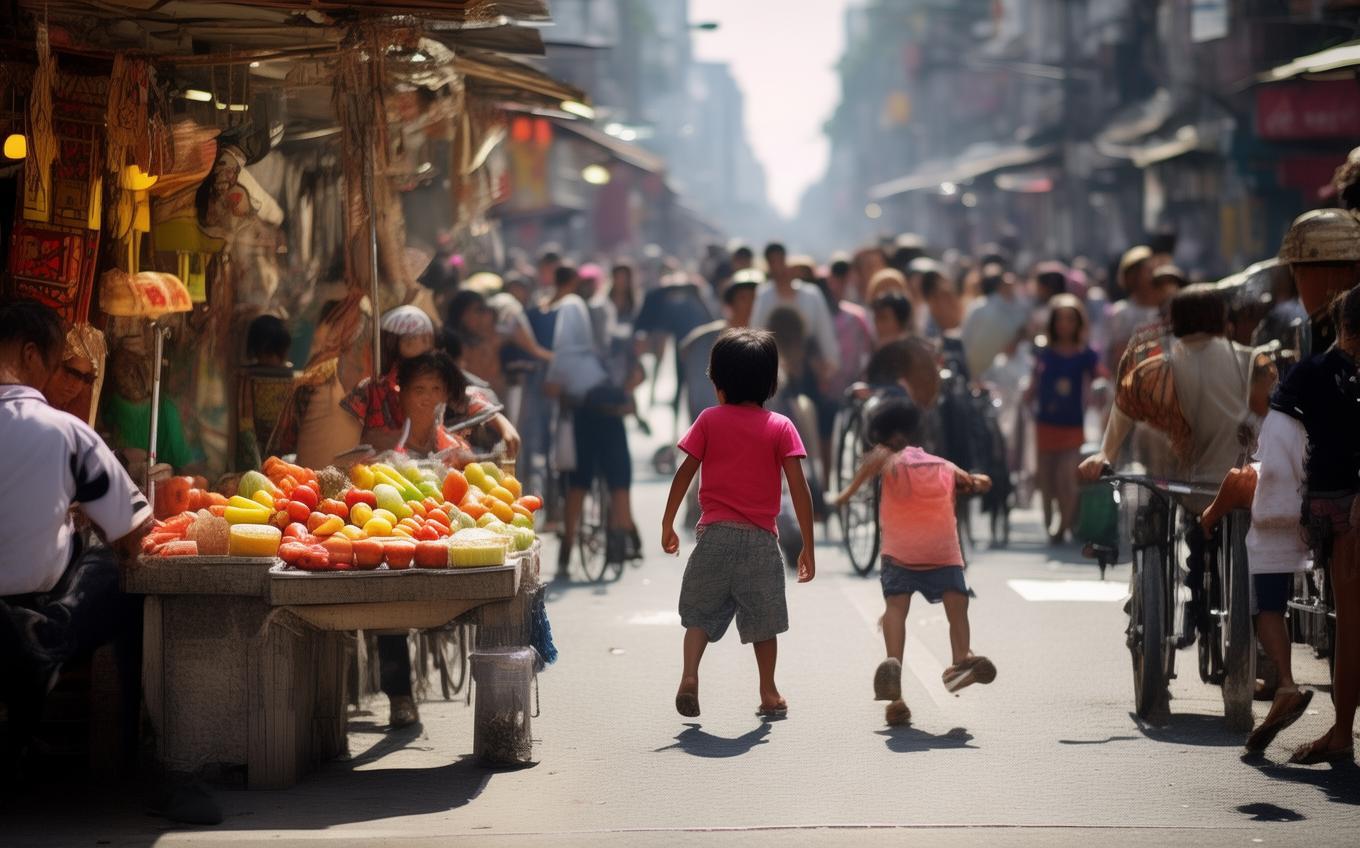
- A place with heavy activity: 交通繁忙 (heavy/busy traffic)
- A period of time: 繁忙的季节 (a busy season)
Unlike "忙", which is more general and casual, "繁忙" implies not just being busy, but being occupied with many different tasks or a high volume of activity. It often suggests a sustained or intense level of busyness.
- Character Breakdown:
- 繁 (fán): This character means "numerous," "many," "complicated," or "abundant." It indicates a large quantity or complexity.
- 忙 (máng): This character means "busy" or "hurried." It refers to having many things to do and not enough time.
Together, "繁忙" literally means "many things and busy," which creates the sense of being extremely busy or having a hectic schedule.
3. Example Sentences
- Chinese: 他最近工作很繁忙。
- Pinyin: Tā zuìjìn gōngzuò hěn fánmáng.
- English: He has been very busy with work recently.
- Chinese: 这条街道在上下班时间非常繁忙。
- Pinyin: Zhè tiáo jiēdào zài shàngxiàbān shíjiān fēicháng fánmáng.
- English: This street is extremely busy during rush hour.
- Chinese: 由于业务繁忙,我们今天无法接受新订单。
- Pinyin: Yóuyú yèwù fánmáng, wǒmen jīntiān wúfǎ jiēshòu xīn dìngdān.
- English: Due to a busy workload, we cannot accept new orders today.
Cultural Notes
In Chinese culture, being "繁忙" is often associated with productivity, hard work, and responsibility. In professional settings, saying that someone is "工作繁忙" can be a polite way to acknowledge that a person has many important duties. It is also common to hear "繁忙" in public announcements or signs, such as in transportation hubs or business districts, to describe high-traffic areas or peak periods.
Although being busy is common in modern life, Chinese speakers may still respond to complaints about being busy with phrases like "注意休息" (zhùyì xiūxi), meaning "remember to rest," reflecting a cultural value of balancing hard work with well-being.
Conclusion
"繁忙" is a useful word to describe a busy, hectic, or bustling state. Remember that it combines the idea of "many things" (繁) with "busy" (忙), making it stronger and often more formal than the simple word "忙." Use it to describe busy schedules, busy places, or busy periods of time.
Sources and Further Reading
Dictionary links are provided for independent reference. Example sentences and learning notes on this page are educational explanations rather than dictionary quotations.


Comments (0)
No comments yet. Be the first to comment!