1. Basic Information
- Word: 分子
- Pinyin: fēn zǐ
- Literal Meaning: "divide" + "seed/child" → "a divided particle" or "a component unit"
- Primary Meaning: In English, "分子" has two main meanings depending on context:
1. Molecule (in chemistry and physics)
2. Member / Element (referring to a person who belongs to a particular group, often with a negative connotation, e.g., a "troublemaker" or "activist")
2. In-depth Explanation
Context and Usage
The word "分子" is a versatile term with two distinct areas of usage:
A. Scientific Meaning: "Molecule"
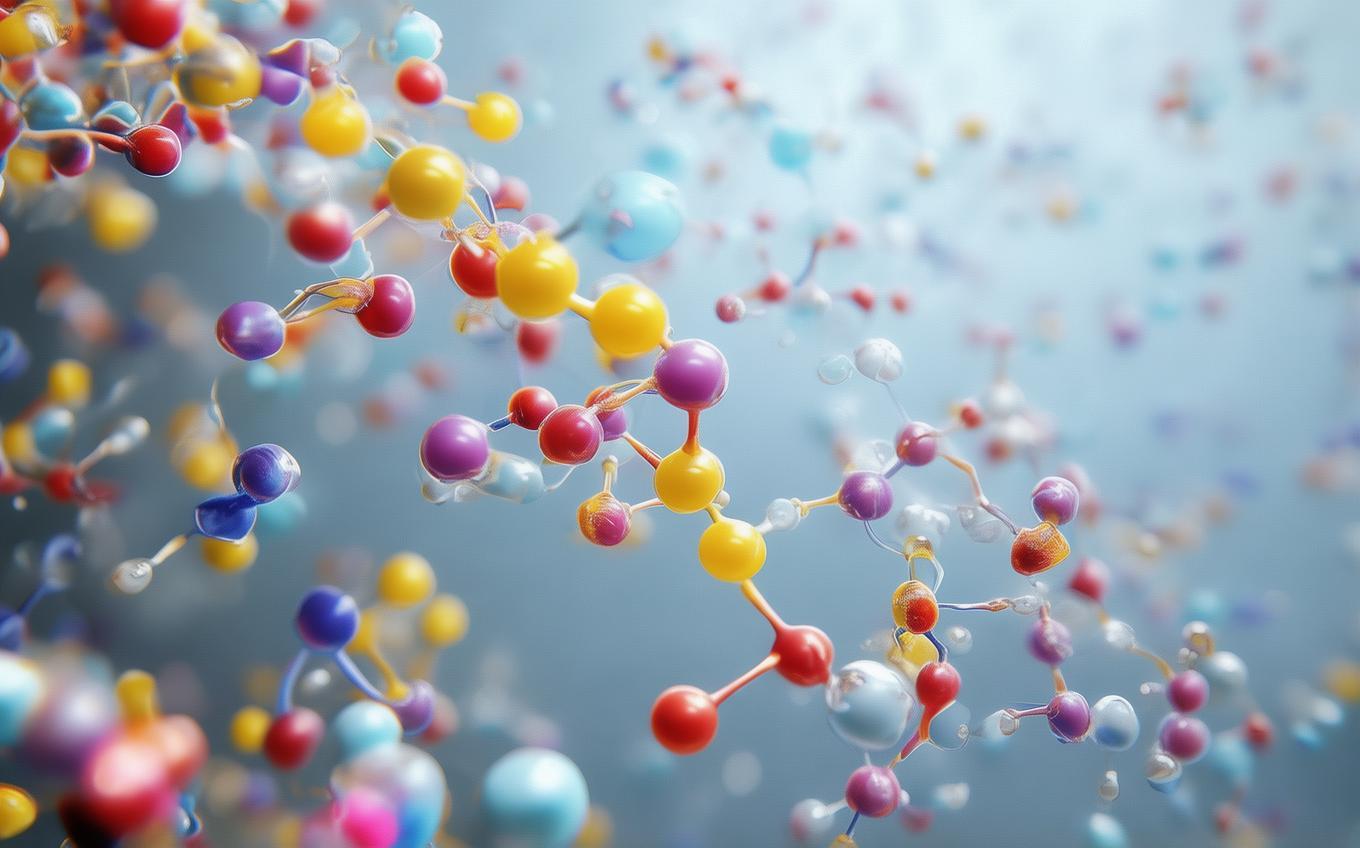
In chemistry and physics, "分子" refers to a molecule — the smallest unit of a substance that retains its chemical properties. This is the most common usage in academic and scientific contexts.
- 水分子 (shuǐ fēn zǐ) — water molecule
- 分子结构 (fēn zǐ jié gòu) — molecular structure
- 分子生物学 (fēn zǐ shēng wù xué) — molecular biology
B. Social Meaning: "Member / Element"
In social and political contexts, "分子" refers to a member of a particular group or category, often implying that the person holds certain views or engages in certain behaviors. This usage frequently carries a negative or cautionary connotation, especially in political or social discourse.
Common examples include:
- 恐怖分子 (kǒng bù fēn zǐ) — terrorist (literally "terror element")
- 犯罪分子 (fàn zuì fēn zǐ) — criminal (literally "crime element")
- 积极分子 (jī jí fēn zǐ) — activist / active member (this one has a positive connotation)
- 危险分子 (wēi xiǎn fēn zǐ) — dangerous person / dangerous element
Nuance: When used in the social sense, "分子" often implies that the person is part of a larger group or category and is viewed somewhat objectively or even distantly by the speaker. It is rarely used to refer to oneself or to people one is close to. It tends to appear in formal, official, or media language rather than casual conversation.
Character Breakdown
-
分 (fēn): This character means "to divide," "to separate," or "to share." It represents the action of splitting something into parts. In the word "分子," it contributes the idea of "a divided unit" or "a component."
-
子 (zǐ): This character literally means "child" or "son," but it is also commonly used as a nominal suffix in Chinese — a character added to the end of a word to make it a noun. It can also mean "seed" or "small unit." In "分子," it functions to turn the concept of "dividing" into a noun, giving the sense of "a small divided unit" or "a particle."
Together, "分子" literally means "a divided unit" or "a small component part" — which makes perfect sense for both the scientific meaning (a molecule is a small unit of matter) and the social meaning (a person is one "unit" within a larger group).
3. Example Sentences
Sentence 1 (Scientific usage)
- Chinese: 水是由两个氢原子和一个氧原子组成的分子。
- Pinyin: Shuǐ shì yóu liǎng gè qīng yuán zǐ hé yī gè yǎng yuán zǐ zǔ chéng de fēn zǐ.
- English: Water is a molecule composed of two hydrogen atoms and one oxygen atom.
Sentence 2 (Social usage — negative connotation)
- Chinese: 警察正在追捕那个危险分子。
- Pinyin: Jǐng chá zhèng zài zhuī bǔ nà gè wēi xiǎn fēn zǐ.
- English: The police are pursuing that dangerous individual.
Sentence 3 (Social usage — positive connotation)
- Chinese: 他是我们社区的积极分子,经常组织志愿活动。
- Pinyin: Tā shì wǒ men shè qū de jī jí fēn zǐ, jīng cháng zǔ zhī zhì yuàn huó dòng.
- English: He is an active member of our community and often organizes volunteer activities.
Cultural Notes
-
Political Usage in Chinese History: During the Chinese Cultural Revolution (1966–1976), the term "分子" was frequently used in political labels to categorize people, often with severe consequences. Terms like 右派分子 (yòu pài fēn zǐ, "rightist element") and 反革命分子 (fǎn gé mìng fēn zǐ, "counter-revolutionary element") were used to identify and persecute individuals deemed politically unreliable. This historical usage has left a lasting impression on the word, giving it a somewhat serious or official tone when used in social contexts.
-
Media and Legal Language: In modern Chinese media and legal documents, "分子" is still commonly used to describe criminals or suspects in a formal, impersonal way. For example, news reports might refer to 走私分子 (zǒu sī fēn zǐ, "smuggling elements") rather than using more direct terms like "smugglers." This reflects a tendency in official Chinese language to categorize individuals as part of a group rather than as unique persons.
-
Scientific Modernization: The use of "分子" to mean "molecule" was adopted during China's modernization of scientific terminology in the late 19th and early 20th centuries. Chinese scholars chose characters that conveyed the meaning of "a small divided unit," which aligned well with the Western scientific concept of a molecule.
Conclusion
"分子" (fēn zǐ) is a word with two distinct but logically connected meanings. At its core, it refers to a small unit or component — whether that is a molecule in science or a member/element of a social group. When you encounter this word, pay attention to the context: in scientific texts, it means "molecule"; in social or political contexts, it refers to a person categorized as part of a group, often with a formal or negative tone. Remember the literal meaning — "a divided unit" — and you will understand why this word works so well in both contexts!
Sources and Further Reading
Dictionary links are provided for independent reference. Example sentences and learning notes on this page are educational explanations rather than dictionary quotations.



Comments (0)
No comments yet. Be the first to comment!