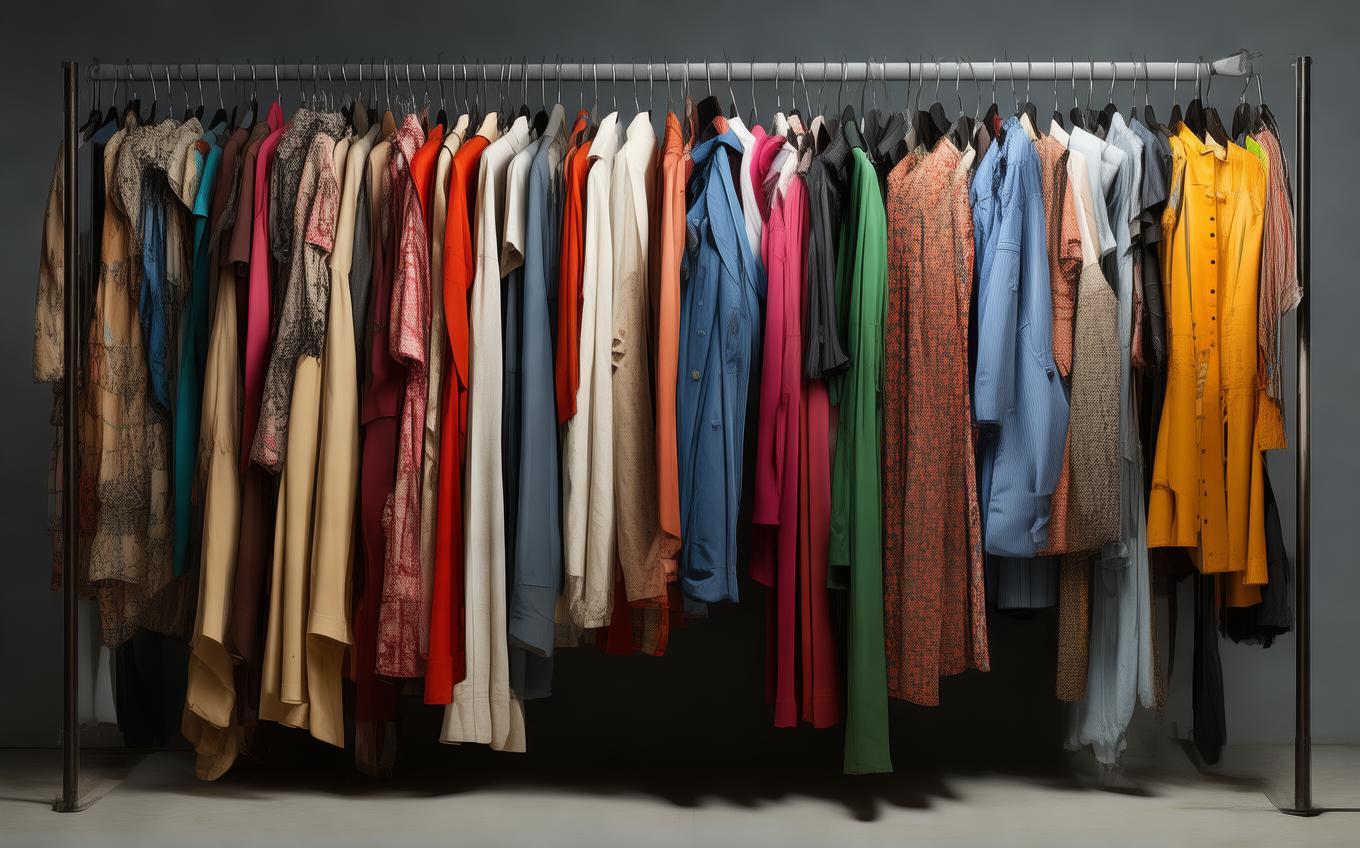
1. Basic Information
- Word: 服装
- Pinyin: fú zhuāng
- Literal Meaning: "clothing" + "adornment/attire"
- Primary Meaning: clothing; apparel; garments; costume; dress
2. In-depth Explanation
Context and Usage
服装 (fú zhuāng) is the standard, formal word for "clothing" or "apparel" in Chinese. It is a general term that encompasses all types of clothing, from everyday wear to specialized attire. Unlike some other Chinese words for clothes, 服装 carries a slightly more formal or industrial tone and is commonly used in professional, commercial, or descriptive contexts.
When to use 服装:
- When discussing the clothing industry, fashion design, or manufacturing
- When referring to specific categories of clothing (e.g., sportswear, traditional clothing, work uniforms)
- In formal or written contexts
- When talking about clothing as a concept or category rather than specific individual items
Nuances:
- 服装 is broader and more formal than 衣服 (yī fu), which is the everyday colloquial word for "clothes."
- 服装 can refer to a complete outfit or an entire category of dress, while 衣服 typically refers to individual pieces of clothing.
- In compound words, 服装 often serves as a suffix to create specific categories of clothing.
Character Breakdown
-
服 (fú): This character means "clothes," "clothing," or "to wear." It also carries the extended meaning of "to serve," "to obey," or "to submit" in other contexts. In this word, it refers to the clothing aspect. The character is composed of the radical 月 (yuè, "moon/flesh") on the left and 𠬝 on the right, which relates to "subduing" or "pressing down" — evoking the image of cloth being pressed or wrapped around the body.
-
装 (zhuāng): This character means "to adorn," "to dress up," "attire," or "outfit." It can also mean "to pretend" or "to install/load" in other contexts. Here, it emphasizes the aspect of dressing, styling, or the complete outfit. The character contains the radical 衣 (yī, "clothing") at the bottom, reinforcing its connection to garments.
Together, 服装 conveys the idea of clothing as a complete, styled form of dress or attire.
3. Example Sentences
Sentence 1
- Chinese: 这家公司专门生产运动服装。
- Pinyin: Zhè jiā gōng sī zhuān mén shēng chǎn yùn dòng fú zhuāng.
- English: This company specializes in producing sportswear.
Sentence 2
- Chinese: 中国的传统服装非常美丽。
- Pinyin: Zhōng guó de chuán tǒng fú zhuāng fēi cháng měi lì.
- English: Traditional Chinese clothing is very beautiful.
Sentence 3
- Chinese: 参加面试时,请穿着正式的服装。
- Pinyin: Cān jiā miàn shì shí, qǐng chuān zhuó zhèng shì de fú zhuāng.
- English: When attending an interview, please wear formal attire.
Cultural Notes
服装 and Chinese Culture:
-
Traditional Chinese Clothing (中国传统服装): When people talk about 中国传统服装, they often refer to garments such as the 汉服 (hàn fú, Han Chinese clothing), 旗袍 (qí páo, cheongsam), and 唐装 (táng zhuāng, Tang-style jacket). These are considered cultural treasures and have seen a revival in popularity among young people in recent years.
-
Clothing Industry: China is one of the world's largest producers and exporters of 服装. The term 服装厂 (fú zhuāng chǎng, garment factory) and 服装设计 (fú zhuāng shè jì, fashion design) are common in business contexts.
-
Dress Codes: In formal settings in China, the term 正装 (zhèng zhuāng, formal wear) is commonly used, and many workplaces have specific 服装要求 (fú zhuāng yāo qiú, dress code requirements).
-
The 服装店 (fú zhuāng diàn): This is the term for a clothing store or boutique. In shopping contexts, you might see signs for 男装 (nán zhuāng, men's clothing) and 女装 (nǚ zhuāng, women's clothing), where 装 is used as a shortened form of 服装.
Conclusion
服装 (fú zhuāng) is the go-to formal and comprehensive word for "clothing," "apparel," or "attire" in Chinese. Remember it as the word you use when discussing clothing as a category, industry, or concept — not just individual pieces of clothing. Think of it as the difference between "apparel" (服装) and "clothes" (衣服) in English: both mean the same general thing, but 服装 feels more professional and structured. The two characters work together beautifully: 服 (clothes) + 装 (adornment/style) = clothing that is styled and complete.
Sources and Further Reading
Dictionary links are provided for independent reference. Example sentences and learning notes on this page are educational explanations rather than dictionary quotations.


Comments (0)
No comments yet. Be the first to comment!