1. Basic Information
- Word: 饺子
- Pinyin: jiǎo zi
- Literal Meaning: "Dumpling" (though the characters individually don’t directly translate to this)
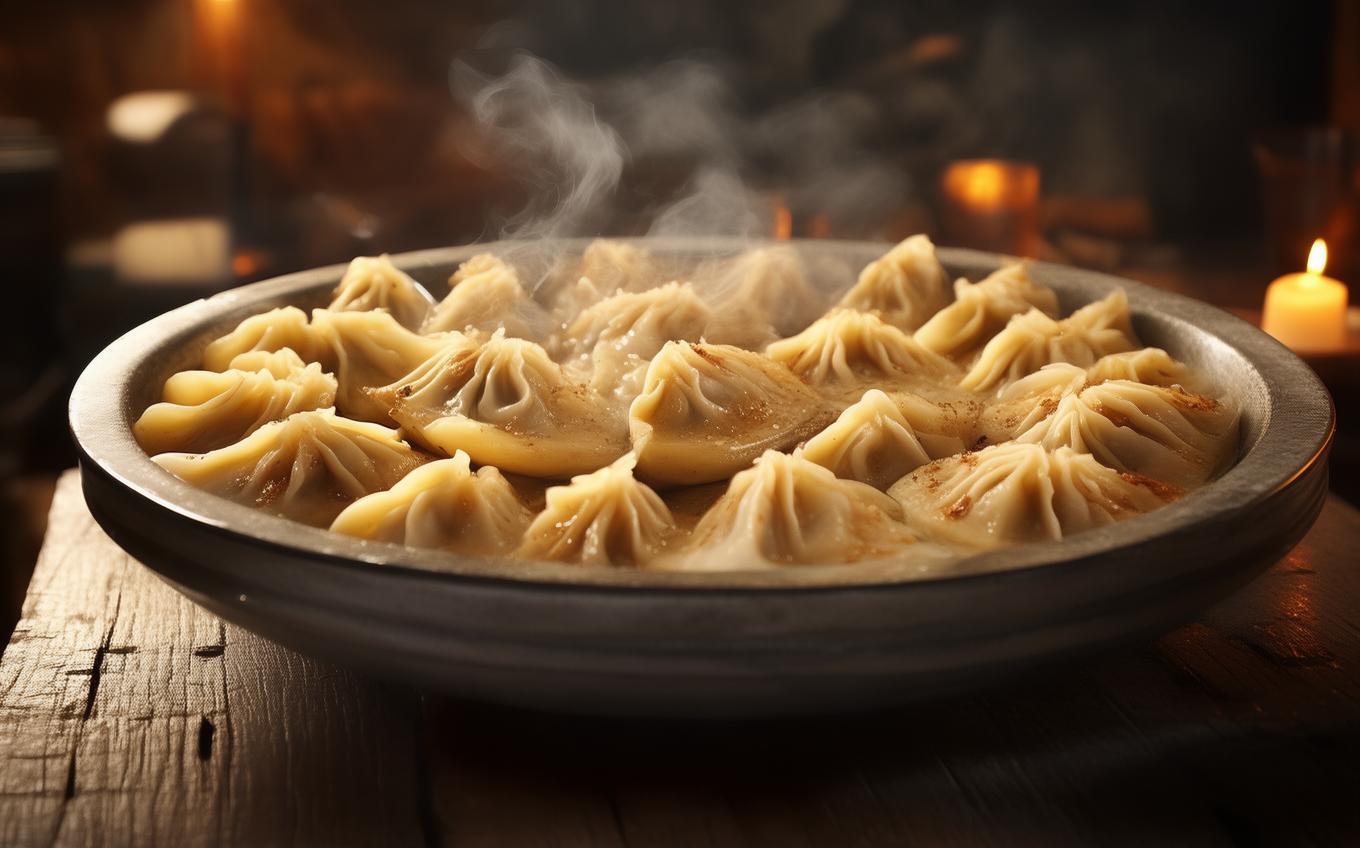
- Primary Meaning: A type of Chinese dumpling made of thin dough wrapped around a filling (usually minced meat and/or vegetables).
2. In-depth Explanation
Context and Usage
"饺子" refers to a staple food in Chinese cuisine, especially popular in northern China. It is commonly eaten during festivals (like Chinese New Year) and family gatherings, symbolizing wealth and reunion. The word is neutral in tone and can be used in both formal and informal contexts.
Character Breakdown
- 饺 (jiǎo): Originally meant "horn-shaped," referring to the traditional shape of the dumpling.
- 子 (zi): A common suffix in Chinese, often used to form nouns (e.g., 桌子 - table). Here, it turns "饺" into a standalone noun.
3. Example Sentences
-
Chinese: 我们今晚吃饺子。
Pinyin: Wǒmen jīnwǎn chī jiǎozi.
English: We’re eating dumplings tonight. -
Chinese: 妈妈包的饺子特别好吃。
Pinyin: Māma bāo de jiǎozi tèbié hǎochī.
English: The dumplings my mom makes are especially delicious. -
Chinese: 春节时,家家户户都会包饺子。
Pinyin: Chūnjié shí, jiājiāhùhù dōu huì bāo jiǎozi.
English: During Chinese New Year, every household makes dumplings.
Cultural Notes
- Symbolism: Eating dumplings during Chinese New Year symbolizes prosperity because their shape resembles ancient gold ingots (元宝).
- Tradition: Families often gather to make dumplings together, reinforcing bonds. Some hide coins or candies inside for luck.
- Variations: Dumplings can be boiled (水饺), pan-fried (煎饺), or steamed (蒸饺), with fillings ranging from pork to vegetarian options.
Conclusion
"饺子" (jiǎozi) is more than just a food—it’s a cultural icon representing family, celebration, and good fortune. Remember it as the delicious, versatile dumpling at the heart of Chinese cuisine!
Sources and Further Reading
Dictionary links are provided for independent reference. Example sentences and learning notes on this page are educational explanations rather than dictionary quotations.



Comments (0)
No comments yet. Be the first to comment!