1. Basic Information
- Word: 干旱
- Pinyin: gān hàn
- Literal Meaning: Dry and drought
- Primary Meaning: Drought
2. In-depth Explanation
-
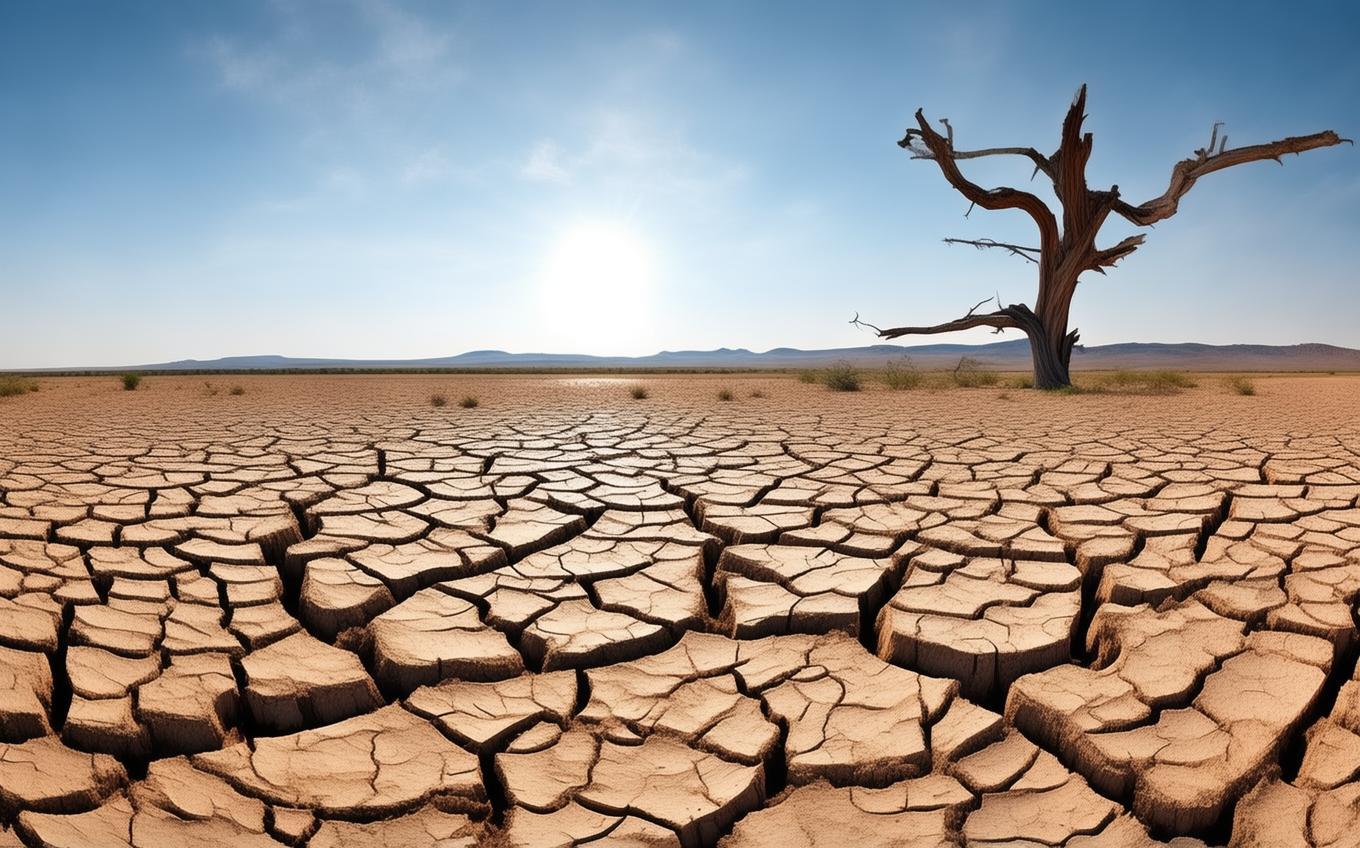
Context and Usage: This word is used to describe a prolonged period of dry weather with little or no rainfall, often leading to water shortages. It appears frequently in weather reports, climate discussions, agricultural advice, and news about environmental challenges. In English, it translates directly to "drought" and is especially common when talking about impacts on farming, ecosystems, or daily life in dry regions. Nuances include its focus on both the lack of rain (meteorological drought) and its effects on crops and people (agricultural drought), making it more specific than simple English words like "dry" or "arid." It is used in both formal reports and casual conversations, such as when sharing local weather experiences or discussing global warming effects.
-
Character Breakdown:
- 干 (gān): To be dry, to dry up, or to become empty of moisture.
- 旱 (hàn): Drought, dry conditions, or arid land, often referring to a long period without rain.
3. Example Sentences
- Chinese: 干旱对农业有严重影响。
- Pinyin: Gān hàn duì nóngyè yǒu yánzhòng yǐngxiǎng.
-
English: Drought has a serious impact on agriculture.
-
Chinese: 中国西北地区经常面临干旱。
- Pinyin: Zhōngguó xīběi dìqū jīngcháng miànlín gān hàn.
-
English: The northwestern region of China often faces drought.
-
Chinese: 今年夏天没有干旱,降水量正常。
- Pinyin: Jīnnián xiàtiān méiyǒu gān hàn, jiàngshuǐliàng zhèngcháng.
- English: There was no drought this summer, and the rainfall was normal.
Cultural Notes
In Chinese culture, droughts are viewed as significant natural disasters that can disrupt farming communities and lead to water conservation efforts. Historically, they have inspired prayers for rain and festivals, while modern society emphasizes climate awareness and technology to manage water resources in affected areas like the northwest.
Conclusion
"干旱" is an essential Chinese word for English learners to understand environmental challenges, especially in relation to weather and agriculture, helping build vocabulary for real-world discussions about climate and daily life.
Sources and Further Reading
Dictionary links are provided for independent reference. Example sentences and learning notes on this page are educational explanations rather than dictionary quotations.


Comments (0)
No comments yet. Be the first to comment!