1. Basic Information
- Word: 钢材
- Pinyin: gāng cái
- Literal Meaning: steel + material
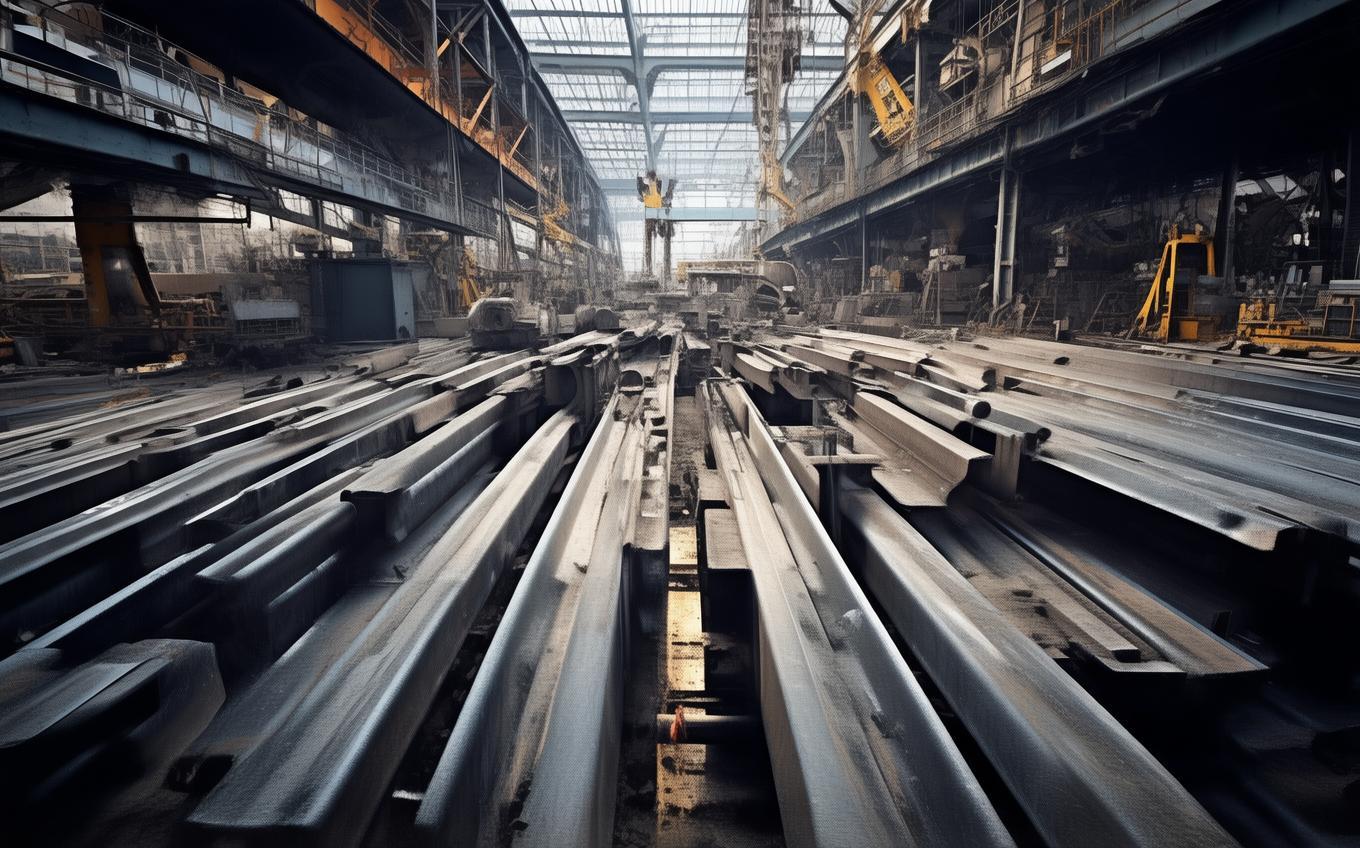
- Primary Meaning: steel (as a raw or semi-finished material); steel products used in industry and construction
2. In-depth Explanation
- Context and Usage: 钢材 is a practical, somewhat technical word for steel as a commodity or building material—sheets, bars, beams, coils, and similar products—not the abstract idea of “strength.” You will hear it in construction, manufacturing, trade, and economic news when people talk about buying, producing, shipping, or pricing steel. It is more specific than everyday words for metal: it points to steel stock or steel goods rather than a finished consumer object. In ordinary conversation it sounds neutral and factual; in business or news it often appears with words for price, output, import, and construction.
- Character Breakdown: 钢 (gāng) means “steel.” 材 (cái) means “material” or “timber/stuff,” and by extension the substance something is made from (it also appears in words for talent, but that sense is not active here). Together, 钢材 literally means “steel material,” which matches its modern use for steel products and steel stock.
3. Example Sentences
- Chinese: 这座桥主要是用钢材建造的。
- Pinyin: Zhè zuò qiáo zhǔyào shì yòng gāngcái jiànzào de.
-
English: This bridge was built mainly with steel.
-
Chinese: 最近钢材价格上涨了很多。
- Pinyin: Zuìjìn gāngcái jiàgé shàngzhǎng le hěn duō.
-
English: Steel prices have risen a lot recently.
-
Chinese: 这家工厂生产建筑用的钢材。
- Pinyin: Zhè jiā gōngchǎng shēngchǎn jiànzhù yòng de gāngcái.
- English: This factory produces steel for construction.
Cultural Notes (if applicable)
China is the world’s largest producer and consumer of steel, so 钢材 often appears in reports about infrastructure, real estate, factories, and trade. A closely related word is 钢铁 (gāngtiě, “iron and steel”), which can mean the steel industry itself and is also used metaphorically for toughness or resolve (as in “a will of steel”). 钢材 stays more concrete: it is the material you order, weld, and build with, not a symbol.
Conclusion
Remember 钢材 (gāng cái) as “steel material”: 钢 is steel and 材 is material. Use it when you mean steel products or steel stock in building, manufacturing, and business—not a finished everyday object and not a metaphor for strength.
Sources and Further Reading
Dictionary links are provided for independent reference. Example sentences and learning notes on this page are educational explanations rather than dictionary quotations.


Comments (0)
No comments yet. Be the first to comment!