1. Basic Information
- Word: 高原
- Pinyin: gāoyuán
- Literal Meaning: high plain
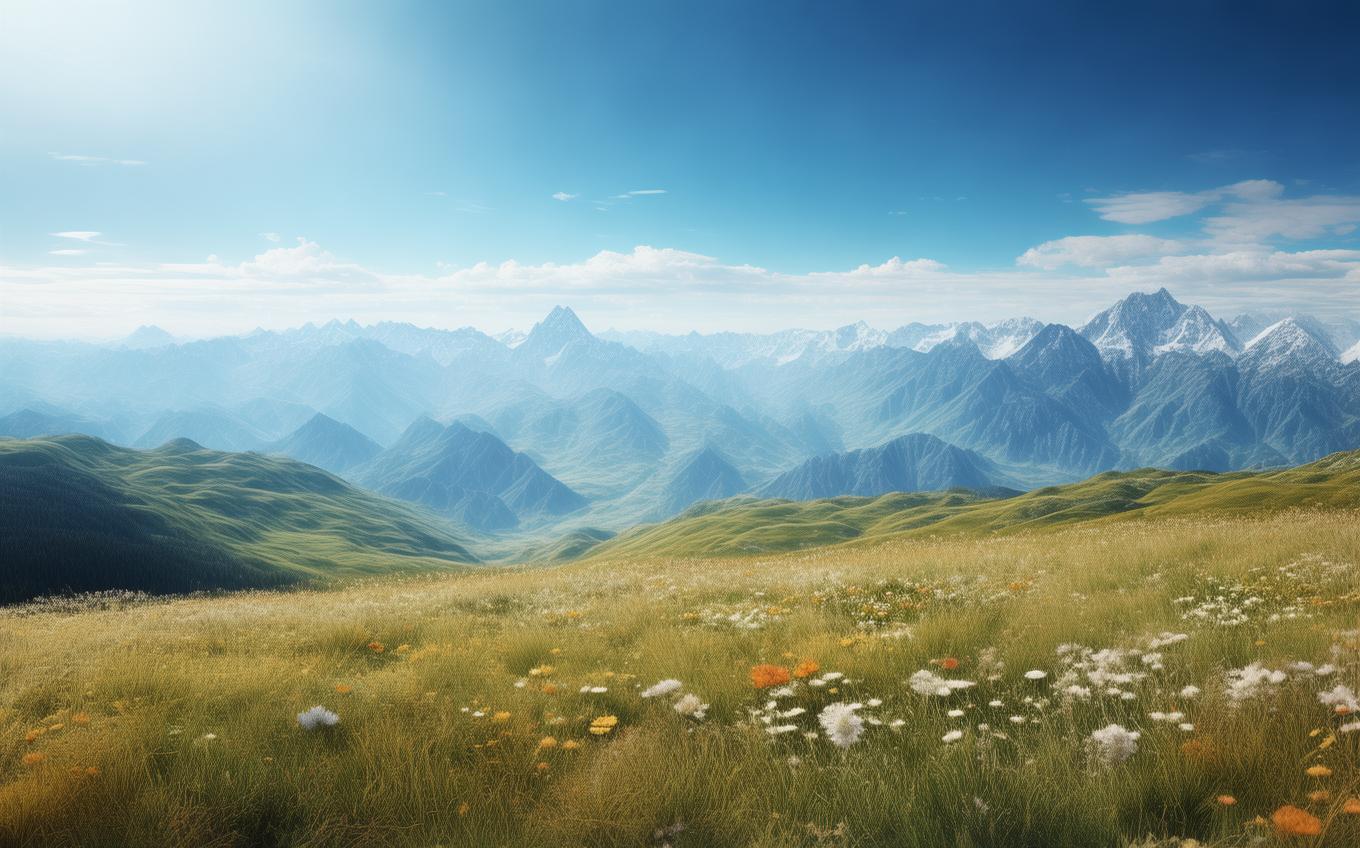
- Primary Meaning: plateau; highland; tableland (a large area of relatively flat land at a high elevation)
2. In-depth Explanation
- Context and Usage: 高原 is the standard word for a plateau or highland. It is used in geography, travel, weather, and everyday descriptions of landscape. It can name a specific region (often with a place name in front) or refer more generally to high, elevated land. It is neutral and formal enough for textbooks, news, and conversation. Related ideas such as altitude sickness are often discussed with 高原, but the word itself simply describes the landform, not illness or difficulty.
- Character Breakdown: 高 (gāo) means “high” or “tall.” 原 (yuán) here means “plain” or “open level land” (it can also mean “original” or “source” in other words). Together, the characters literally suggest a “high plain,” which matches the idea of a plateau.
3. Example Sentences
- Chinese: 青藏高原是世界上海拔最高的高原。
- Pinyin: Qīngzàng Gāoyuán shì shìjiè shàng hǎibá zuì gāo de gāoyuán.
-
English: The Qinghai–Tibet Plateau is the highest plateau in the world.
-
Chinese: 他们在高原上生活了很多年。
- Pinyin: Tāmen zài gāoyuán shàng shēnghuó le hěn duō nián.
-
English: They have lived on the plateau for many years.
-
Chinese: 高原气候比较寒冷,空气也比较稀薄。
- Pinyin: Gāoyuán qìhòu bǐjiào hánlěng, kōngqì yě bǐjiào xībó.
- English: The climate on the plateau is relatively cold, and the air is also relatively thin.
Cultural Notes (if applicable)
China is often described as having several major plateaus. The best known is the Qinghai–Tibet Plateau (青藏高原), sometimes called the “Roof of the World.” Other well-known ones include the Loess Plateau (黄土高原), the Inner Mongolia Plateau (内蒙古高原), and the Yunnan–Guizhou Plateau (云贵高原). In travel and health contexts, people may talk about adjusting to high altitude when visiting these regions, but 高原 itself remains a geographic term.
Conclusion
高原 (gāoyuán) means “plateau” or “highland.” Remember it as 高 (“high”) plus 原 (“plain”): a high, relatively level stretch of land. It is the word you will see in maps, news, and descriptions of famous Chinese landscapes.
Sources and Further Reading
Dictionary links are provided for independent reference. Example sentences and learning notes on this page are educational explanations rather than dictionary quotations.


Comments (0)
No comments yet. Be the first to comment!