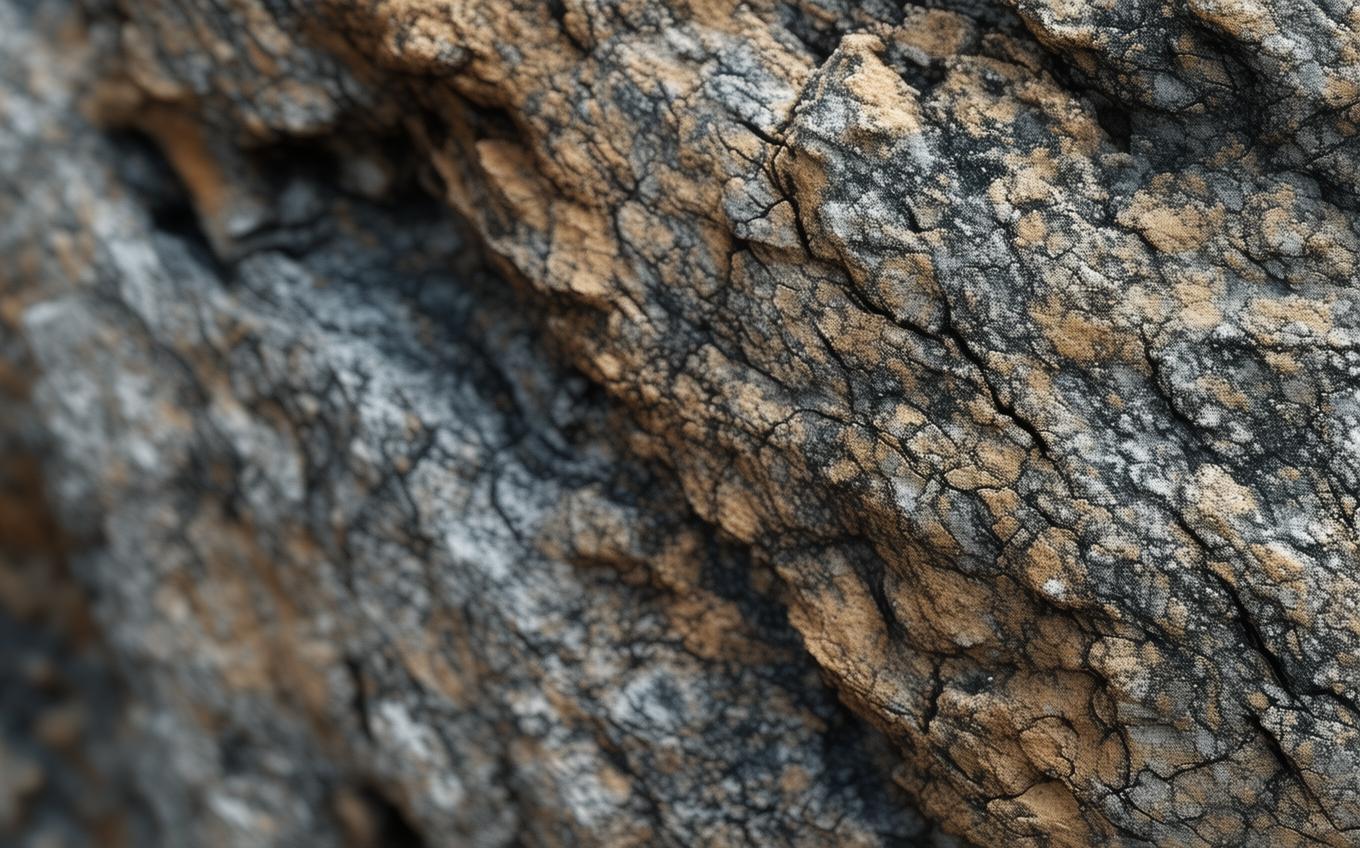
1. Basic Information
- Word: 疙瘩
- Pinyin: gē da (both characters are neutral tone when combined; sometimes written as gēda)
- Literal Meaning: The characters individually don't form a clear literal meaning — together they create a reduplicative-style noun. 疙 (gē) relates to a bump or swelling, and 瘩 (da) reinforces this idea.
- Primary Meaning: A bump, lump, knot, or pimple on a surface or on the body; figuratively, a knot in one's heart (a psychological burden or unresolved issue).
2. In-depth Explanation
Context and Usage
"疙瘩" (gēda) is a highly versatile word in Chinese that can be used both literally and figuratively. Understanding its range of meanings will greatly enrich your Chinese vocabulary.
Literal Meanings:
-
A bump or lump on a surface — This could be a knot in wood, a lump in a piece of fabric, or any irregular raised area on an otherwise smooth surface.
-
A pimple, boil, or skin bump — When referring to the body, 疙瘩 describes any raised bump on the skin, such as a mosquito bite, pimple, or hive.
-
A knot (in rope, thread, or hair) — When something gets tangled or tied unintentionally, the resulting knot can be called a 疙瘩.
Figurative Meanings:
-
A knot in one's heart — This is perhaps the most culturally significant usage. 心里的疙瘩 (xīn lǐ de gēda) refers to an emotional knot, a lingering resentment, worry, or unresolved issue that bothers someone. It's the emotional equivalent of a physical lump that won't go away.
-
A difficult or awkward point in a relationship — When two people have an unresolved conflict or awkwardness between them, it can be described as having a 疙瘩.
Character Breakdown
-
疙 (gē): This character appears almost exclusively in the compound 疙瘩 and a few related terms. It carries the meaning of a bump, swelling, or protrusion. On its own, it's rarely used.
-
瘩 (da): Similar to 疙, this character primarily appears in the compound 疙瘩 and related words. It reinforces the meaning of a bump or lump. The combination of the two creates a rhythmic, reduplicative sound pattern common in Chinese for describing physical textures or shapes.
Together, the characters create a word that vividly evokes the image of something raised, uneven, or knotted — whether on a physical surface or in one's emotional state.
3. Example Sentences
Sentence 1 (Literal — Physical Bump)
- Chinese: 我的胳膊上被蚊子咬了一个大疙瘩。
- Pinyin: Wǒ de gēbo shàng bèi wénzi yǎo le yí ge dà gēda.
- English: A mosquito bit me on the arm and left a big bump.
Sentence 2 (Literal — Knot in Material)
- Chinese: 这根绳子打了好几个疙瘩,解不开了。
- Pinyin: Zhè gēn shéngzi dǎ le hǎo jǐ ge gēda, jiě bu kāi le.
- English: This rope has several knots in it and can't be untied.
Sentence 3 (Figurative — Emotional Knot)
- Chinese: 他们之间因为那件事有了疙瘩,已经很久没说话了。
- Pinyin: Tāmen zhījiān yīnwèi nà jiàn shì yǒu le gēda, yǐjīng hěn jiǔ méi shuōhuà le.
- English: Because of that incident, there's been a knot between them, and they haven't spoken for a long time.
Cultural Notes
The figurative use of 疙瘩 to describe emotional or interpersonal problems reflects a broader pattern in Chinese culture of using physical metaphors to describe psychological states. Just as a physical lump disrupts the smoothness of a surface, an emotional 疙瘩 disrupts the harmony of a relationship or one's inner peace.
This connects to the Chinese cultural value of 和谐 (héxié) — harmony. In Chinese culture, smooth, harmonious relationships are highly prized. A 疙瘩 represents a disruption of that smoothness, something that needs to be "untied" (解开, jiěkāi) or "smoothed out" (解开疙瘩) to restore harmony.
You may also encounter the related term 鸡皮疙瘩 (jīpí gēda), which literally means "chicken skin bumps" — the Chinese equivalent of "goosebumps." This is a very common expression used when someone feels cold, scared, or deeply moved.
Another useful expression is 解开疙瘩 (jiěkāi gēda), meaning "to untie the knot" — used both literally (untangling a physical knot) and figuratively (resolving an emotional conflict or misunderstanding).
Conclusion
"疙瘩" (gēda) is a wonderfully expressive word that bridges the physical and emotional worlds. At its core, it refers to any bump, lump, or knot — but its true richness lies in its figurative use to describe emotional knots and interpersonal tensions. When you encounter this word, remember the image of a knot: something that disrupts smoothness, whether on a rope, on your skin, or in your heart. Mastering 疙瘩 will not only improve your vocabulary but also give you insight into how Chinese speakers conceptualize emotional harmony and conflict.
Sources and Further Reading
Dictionary links are provided for independent reference. Example sentences and learning notes on this page are educational explanations rather than dictionary quotations.


Comments (0)
No comments yet. Be the first to comment!