1. Basic Information
- Word: 柜台
- Pinyin: guìtái
- Literal Meaning: "cabinet platform" or "counter platform"
- Primary Meaning: Counter; a long, flat surface or table where business transactions take place, such as in a store, bank, hotel, or restaurant
2. In-depth Explanation
Context and Usage
"柜台" (guìtái) is a common word in everyday Chinese that refers to a counter — the physical barrier or service desk where customers interact with staff. It is used in a wide variety of commercial and service settings:
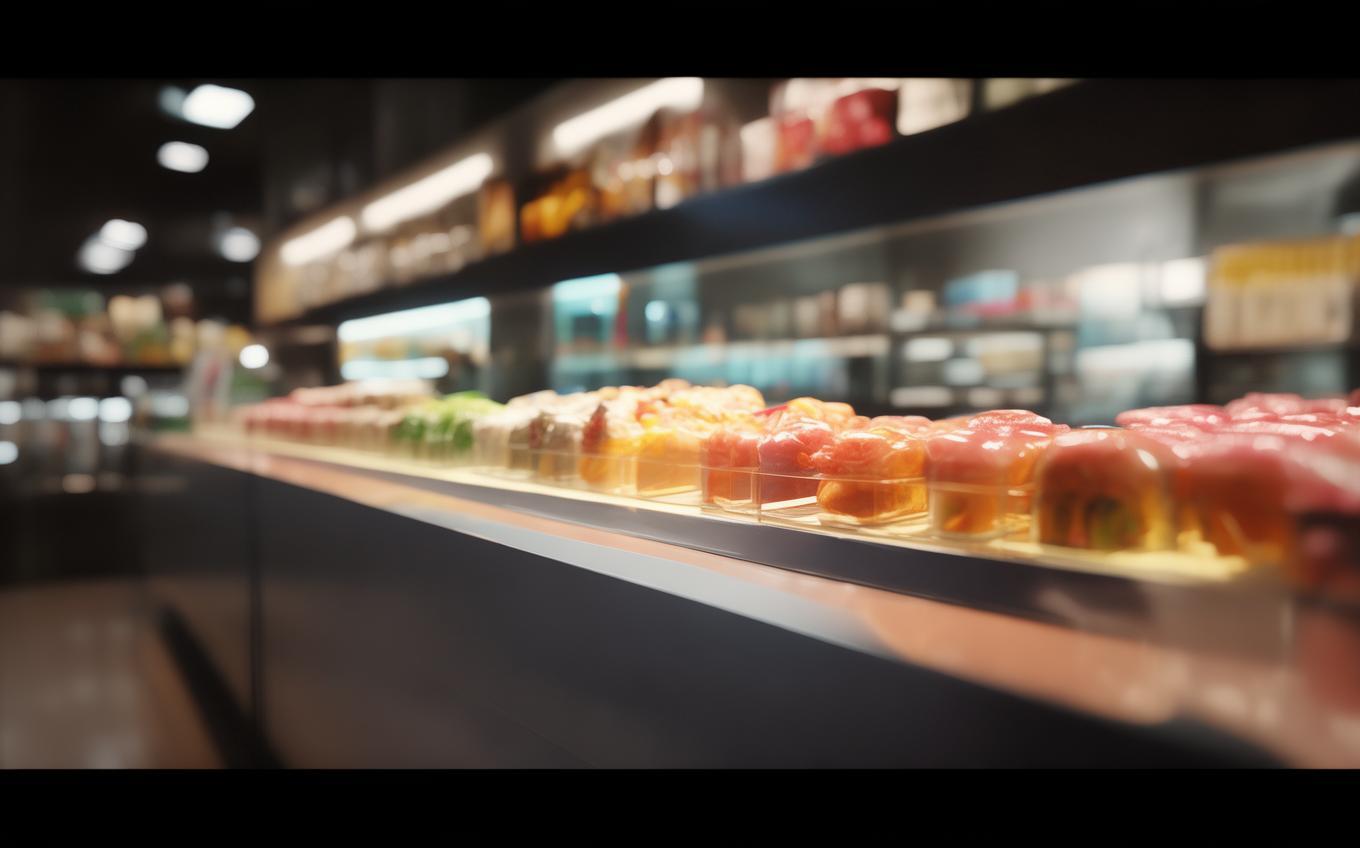
- In stores and shops: The checkout counter or display counter where goods are shown and purchases are made.
- In banks: The teller window or service counter where customers handle financial transactions.
- In hotels: The front desk or reception counter where guests check in and check out.
- In restaurants: The counter where you order or pay (though in fast-food settings, people might also say "点餐台" diǎncān tái).
- In airports: The check-in counter for airlines.
The word carries a sense of formality and structure — it implies a designated place where business is conducted, often with a staff member on one side and the customer on the other. It can also refer to the display case itself, such as a glass counter in a jewelry store where items are showcased.
Nuance: Unlike the English word "counter," which can also mean a kitchen counter (the surface in a home kitchen), "柜台" in Chinese is almost exclusively used for commercial or service counters. A kitchen counter in a home would typically be called "台面" (táimiàn) or "料理台" (liàolǐ tái) instead.
Character Breakdown
-
柜 (guì): This character means "cabinet," "cupboard," or "case." It originally referred to a box or container for storing things, often with doors or drawers. In the context of "柜台," it evokes the idea of a storage unit or display case — the enclosed part beneath the counter surface where goods or documents are kept.
-
台 (tái): This character means "platform," "stage," or "stand." It refers to a raised, flat surface. You'll see it in words like "舞台" (wǔtái, stage), "讲台" (jiǎngtái, lectern), and "阳台" (yángtái, balcony).
Combined meaning: "柜台" literally paints a picture of a cabinet with a platform on top — which is exactly what a service counter is: a storage unit (柜) with a flat working surface (台) on top.
3. Example Sentences
Sentence 1
- Chinese: 请到柜台付款。
- Pinyin: Qǐng dào guìtái fùkuǎn.
- English: Please go to the counter to pay.
Sentence 2
- Chinese: 她在银行的柜台工作。
- Pinyin: Tā zài yínháng de guìtái gōngzuò.
- English: She works at the counter in a bank.
Sentence 3
- Chinese: 这个柜台展示的都是最新款的手机。
- Pinyin: Zhège guìtái zhǎnshì de dōu shì zuì xīnkuǎn de shǒujī.
- English: The items displayed at this counter are all the latest model phones.
Cultural Notes
In China, the concept of "柜台" is deeply tied to the service culture. In traditional Chinese department stores and markets, goods were often kept behind the counter (柜台后面, guìtái hòumiàn), and customers had to ask the salesperson to retrieve items for them. This created a more formal, mediated shopping experience compared to the self-service model common in Western supermarkets.
Even today, in many Chinese pharmacies, jewelry stores, and electronics shops, you'll find glass "柜台" where products are displayed but not directly accessible to customers — you must ask the staff to show you an item. This is a cultural difference that some foreign visitors notice: the counter serves as both a display case and a boundary between the customer and the merchandise.
Additionally, the phrase "站柜台" (zhàn guìtái, literally "to stand at the counter") is a colloquial way to describe working as a salesperson or shop assistant, emphasizing the physical act of standing behind the counter all day.
Conclusion
"柜台" (guìtái) is a practical and frequently used word that you'll encounter in almost any commercial setting in China. Remember it as "cabinet + platform" — a storage unit with a flat top where business happens. Whether you're checking into a hotel, paying at a store, or withdrawing money at a bank, you'll find yourself at the "柜台." The word is straightforward to use, has no confusing alternative meanings, and is an essential part of everyday Chinese vocabulary for anyone living in or visiting a Chinese-speaking environment.
Sources and Further Reading
Dictionary links are provided for independent reference. Example sentences and learning notes on this page are educational explanations rather than dictionary quotations.



Comments (0)
No comments yet. Be the first to comment!