1. Basic Information
- Word: 海拔
- Pinyin: hǎi bá
- Literal Meaning: "sea pull/rise" — the height that rises above the sea
- Primary Meaning: Elevation; altitude (height above sea level)
2. In-depth Explanation
Context and Usage:
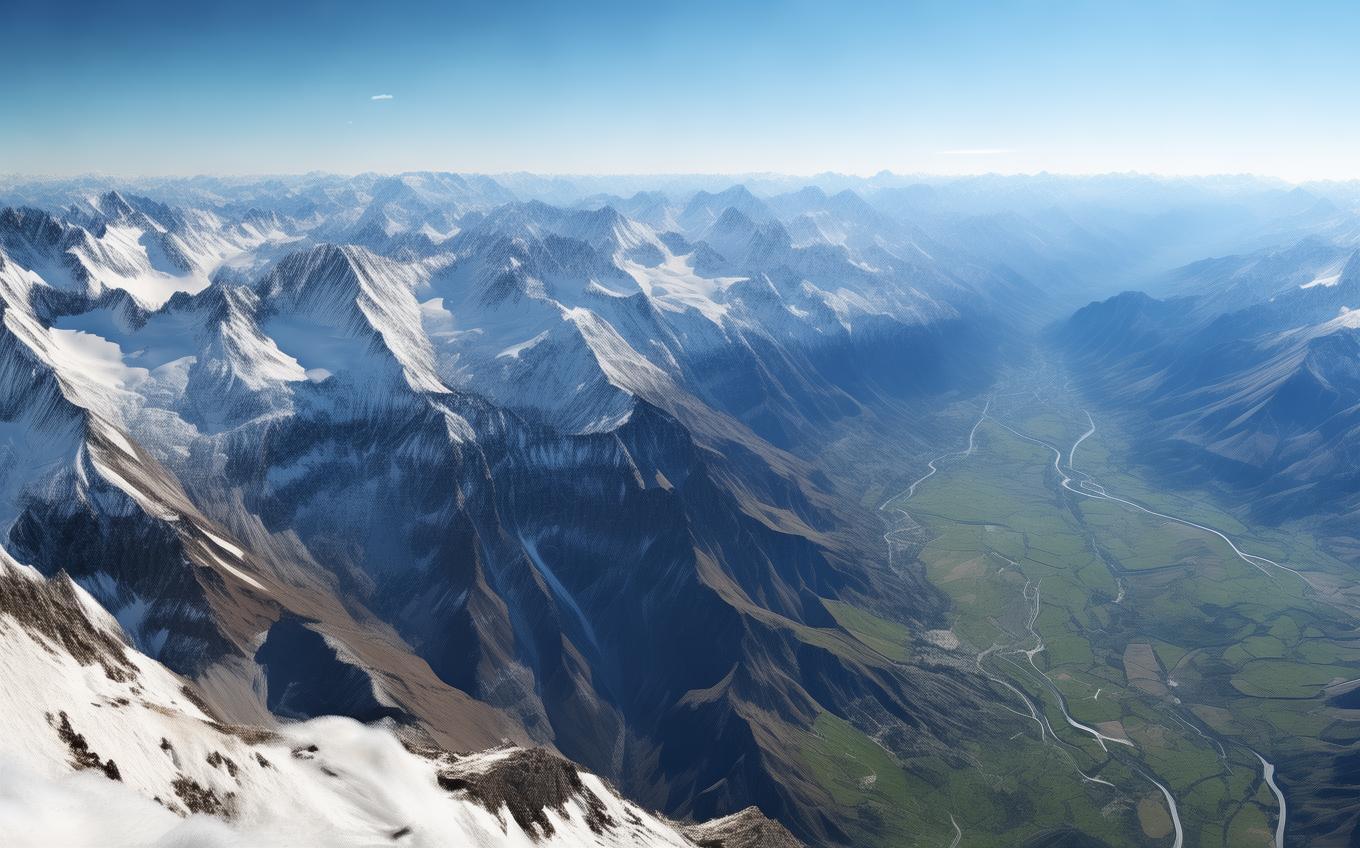
"海拔" is the standard term in Chinese for expressing how high a location is relative to sea level. It is used in geography, travel, mountaineering, aviation, and everyday conversation when discussing the height of mountains, cities, or plateaus. Unlike the English word "altitude," which can sometimes refer to height above ground level (especially in aviation), "海拔" specifically refers to height above sea level. It is a compound noun and is typically used with a number followed by the measure word "米" (mǐ, meters) or "千米" (qiān mǐ, kilometers).
You will often see "海拔" in contexts such as:
- Describing a mountain's height: "这座山的海拔是……" (The elevation of this mountain is...)
- Discussing altitude sickness: "海拔太高了" (The altitude is too high)
- Comparing cities: "拉萨的海拔比北京高" (Lhasa's elevation is higher than Beijing's)
Character Breakdown:
- 海 (hǎi) — "sea" or "ocean." This character provides the reference point: sea level. It appears in many water-related words such as 海水 (seawater), 海岸 (coast), and 海洋 (ocean).
- 拔 (bá) — "to pull up," "to rise," or "to elevate." In this context, it conveys the idea of something being "pulled up" or "raised" from a baseline. The character is also used in words like 拔河 (tug-of-war, literally "pull river") and 拔高 (to raise higher).
Together, "海拔" paints a vivid picture: the height that is "pulled up" from the level of the sea.
3. Example Sentences
- Chinese: 珠穆朗玛峰的海拔是8848米。
- Pinyin: Zhūmùlǎngmǎ Fēng de hǎibá shì bā qiān bā bǎi sì shí bā mǐ.
- English: The elevation of Mount Everest is 8,848 meters.
- Chinese: 这个城市的海拔很高,所以夏天也很凉快。
- Pinyin: Zhège chéngshì de hǎibá hěn gāo, suǒyǐ xiàtiān yě hěn liángkuai.
- English: This city has a high elevation, so it is cool even in the summer.
- Chinese: 在高海拔地区,有些人会感到呼吸困难。
- Pinyin: Zài gāo hǎibá dìqū, yǒuxiē rén huì gǎndào hūxī kùnnan.
- English: In high-altitude areas, some people may experience difficulty breathing.
Cultural Notes
China is home to some of the world's most dramatic elevation changes. The Tibetan Plateau, often called "the Roof of the World," has an average elevation of over 4,000 meters (13,000 feet). Cities like Lhasa (拉萨) sit at around 3,650 meters above sea level, making "海拔" a very relevant word for travelers in China.
When Chinese people travel from low-lying coastal cities (like Shanghai, which is only a few meters above sea level) to high-altitude destinations such as Tibet or Yunnan's Shangri-La, they often discuss "高原反应" (gāoyuán fǎnyìng, altitude sickness). Understanding "海拔" is therefore essential not only for geographic discussions but also for practical travel conversations in China.
Interestingly, China also has one of the lowest land points on Earth: the Turpan Depression (吐鲁番盆地) in Xinjiang, which sits at about 154 meters below sea level — a reminder that "海拔" can technically be expressed as a negative value, though this is rare in everyday speech.
Conclusion
"海拔" (hǎibá) is the go-to Chinese word for "elevation" or "altitude above sea level." Remember it by visualizing the two characters: the sea (海) as your starting point, and something being pulled up (拔) from it. Whenever you talk about how high a mountain, city, or plateau is in Chinese, "海拔" is the word you need.
Sources and Further Reading
Dictionary links are provided for independent reference. Example sentences and learning notes on this page are educational explanations rather than dictionary quotations.



Comments (0)
No comments yet. Be the first to comment!