
1. Basic Information
- Word: 喊叫
- Pinyin: hǎn jiào
- Literal Meaning: "shout" + "call/yell"
- Primary Meaning: To shout, to yell, to scream, to cry out
2. In-depth Explanation
Context and Usage
"喊叫" (hǎn jiào) is a compound verb that means to shout, yell, scream, or cry out loudly. It describes the act of raising one's voice to a high volume, often in situations of:
- Emergency or danger — calling for help
- Strong emotion — anger, fear, excitement, or pain
- Getting someone's attention — especially over a distance
- Disorderly or noisy situations — such as a crowd or a commotion
The word carries a sense of loudness and intensity. It is more forceful than simply "说话" (shuō huà, to speak) or even "叫" (jiào, to call). When you use "喊叫," you are describing a vocalization that is deliberately loud and often urgent.
Nuances:
- "喊叫" can be used for both human and animal sounds (e.g., monkeys screeching, birds crying out).
- It can have a slightly negative connotation when referring to people making a racket or causing a disturbance, but it is neutral to positive when describing someone calling for help or expressing justified emotion.
- In formal writing, "喊叫" is often used in descriptive or narrative contexts (e.g., in novels, news reports) rather than in casual everyday conversation, where simpler words like "喊" or "叫" might be more common.
Character Breakdown
| Character | Pinyin | Individual Meaning | Explanation |
|---|---|---|---|
| 喊 | hǎn | to shout, to call out | This character specifically means to raise one's voice loudly, often to get attention. It implies a strong, forceful vocalization. |
| 叫 | jiào | to call, to yell, to be called | This character has a broader range of meanings: to call (someone), to be named, to shout, to cry (as an animal). In "喊叫," it reinforces and complements "喊," adding the sense of vocalizing loudly. |
Together, "喊" + "叫" form a synonym compound (a very common pattern in Chinese where two characters with similar meanings combine to create a richer, more emphatic word). The combination intensifies the meaning: it's not just a single shout, but a sustained or emphatic act of yelling.
3. Example Sentences
- Chinese: 他听到有人在门外大声喊叫。
- Pinyin: Tā tīng dào yǒu rén zài mén wài dà shēng hǎn jiào.
- English: He heard someone shouting loudly outside the door.
- Chinese: 孩子们在操场上兴奋地喊叫着。
- Pinyin: Hái zi men zài cāo chǎng shàng xīng fèn de hǎn jiào zhe.
- English: The children were shouting excitedly on the playground.
- Chinese: 不要在医院里大声喊叫,会打扰病人休息。
- Pinyin: Bù yào zài yī yuàn lǐ dà shēng hǎn jiào, huì dǎ rǎo bìng rén xiū xi.
- English: Don't shout loudly in the hospital; it will disturb the patients' rest.
Cultural Notes
In Chinese culture, loud vocalization carries different social meanings depending on the context:
-
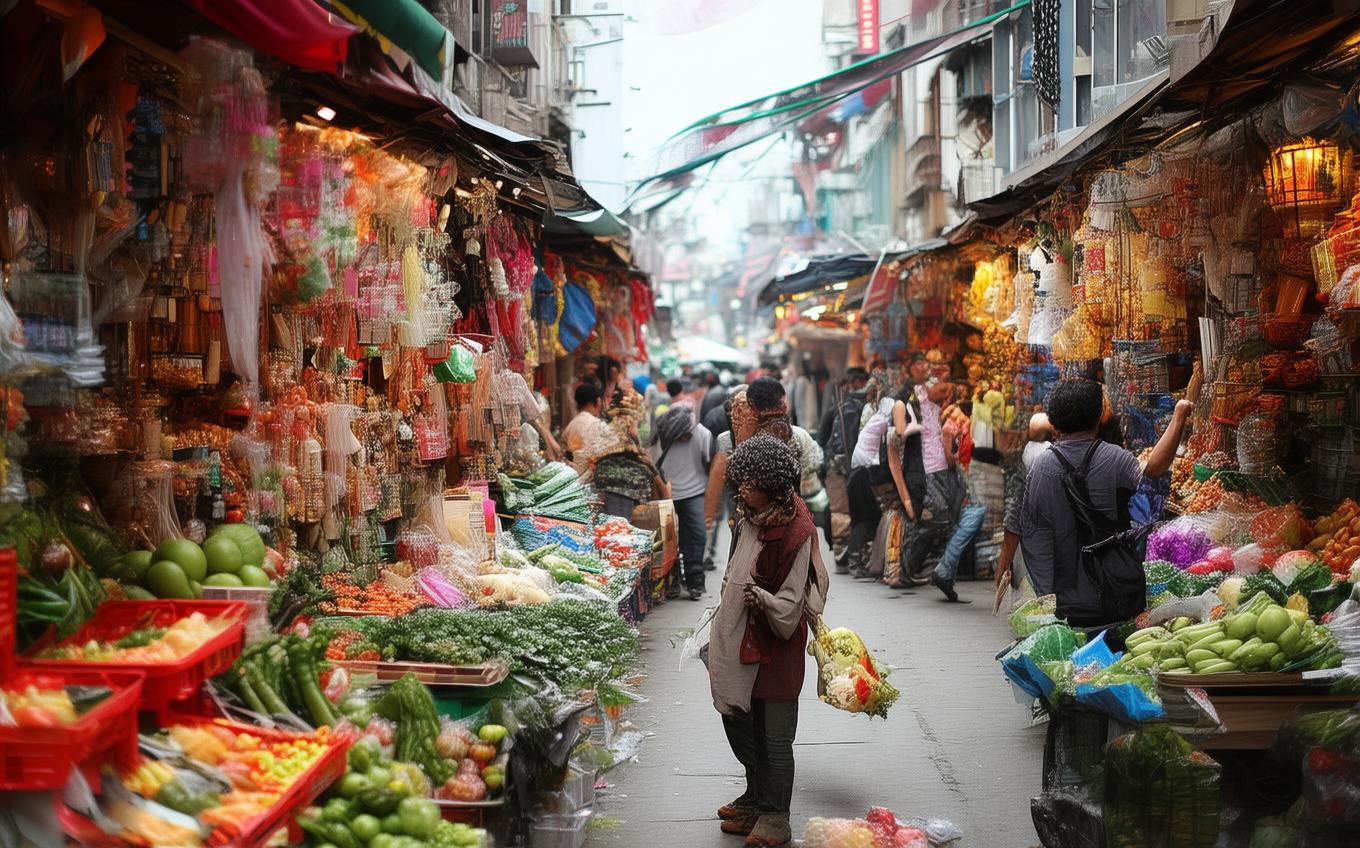
Public spaces: In China, it is not uncommon to hear people calling out loudly in markets, streets, or parks. Street vendors traditionally use loud calls ("吆喝," yāo he) to attract customers. However, in modern settings like hospitals, libraries, and offices, loud shouting ("喊叫") is considered impolite and disruptive, just as in Western cultures.
-
Martial arts and opera: In traditional Chinese martial arts (武术, wǔ shù) and Peking opera (京剧, jīng jù), controlled shouts and vocalizations are an important part of performance. These are not "喊叫" in the negative sense but are deliberate, trained vocal expressions.
-
Emotional expression: Chinese culture has traditionally valued emotional restraint, so public "喊叫" (shouting or screaming) can be seen as a loss of face (丢面子, diū miàn zi) or a sign of losing self-control. However, in private or emergency situations, calling out loudly for help is completely appropriate and encouraged.
-
Literary usage: In Chinese literature and poetry, the word "喊叫" often appears in descriptions of nature (e.g., the howling of wind, the crying of animals) or in dramatic scenes of human struggle, giving it a vivid, evocative quality.
Conclusion
"喊叫" (hǎn jiào) is a powerful compound verb meaning to shout, yell, or scream. Remember it as the combination of two similar characters — "喊" (shout) and "叫" (call/yell) — that together create an intensified meaning. Use it when describing loud, forceful vocalizations, whether from excitement, fear, anger, or the need to get attention. Keep in mind that while it can describe both positive and negative situations, context matters: in quiet public spaces, "喊叫" is generally considered disruptive, while in emergencies it is a natural and necessary response.
Sources and Further Reading
Dictionary links are provided for independent reference. Example sentences and learning notes on this page are educational explanations rather than dictionary quotations.


Comments (0)
No comments yet. Be the first to comment!