1. Basic Information
- Word: 痕迹
- Pinyin: hén jì
- Literal Meaning: "mark" + "trace/footprint"
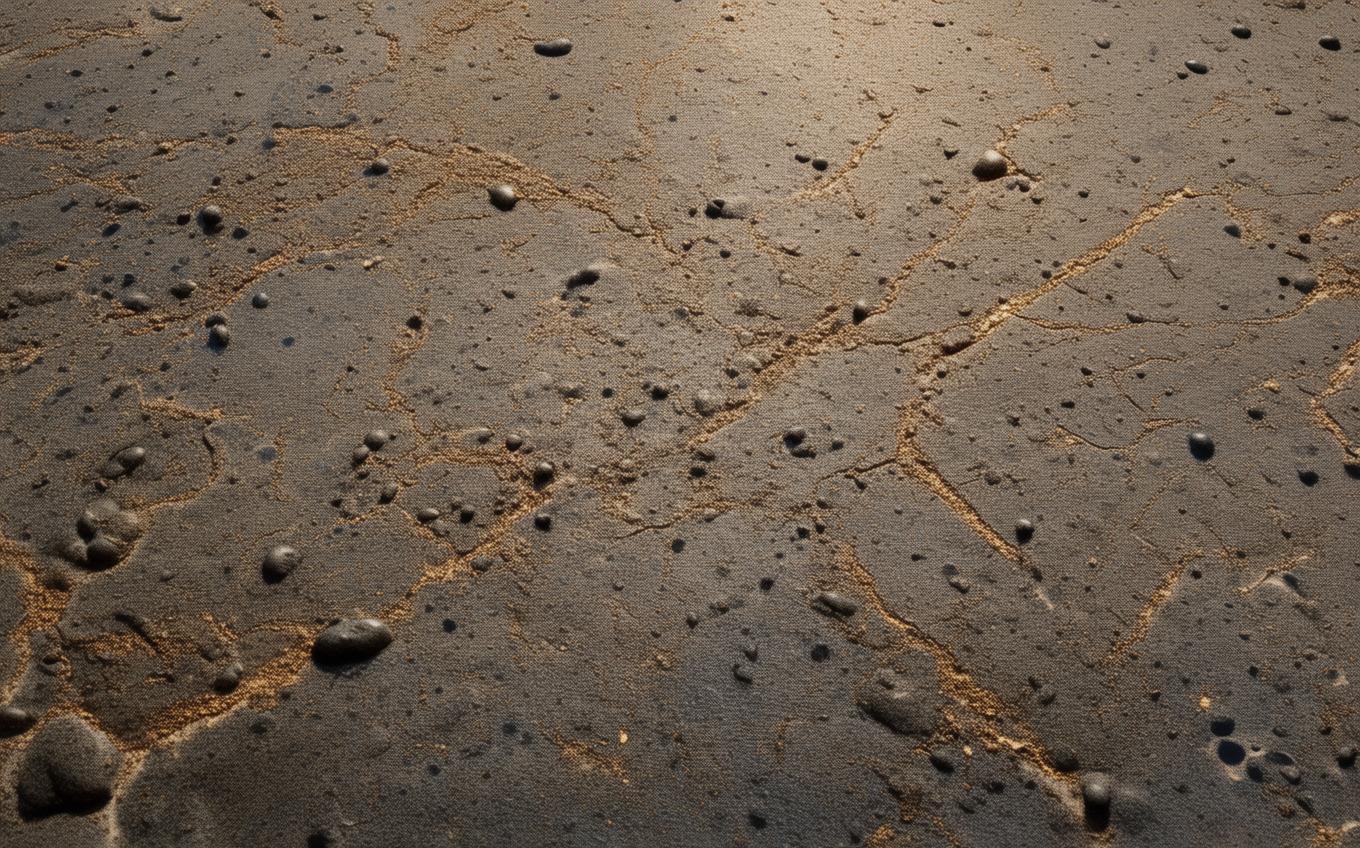
- Primary Meaning: A trace, mark, vestige, or remnant left behind by something; evidence of a past presence or action.
2. In-depth Explanation
Context and Usage
"痕迹" (hén jì) refers to any visible or detectable sign that something existed, happened, or passed through a place. It carries a slightly formal or literary tone compared to more casual alternatives, and it is widely used in both everyday speech and written Chinese.
The word can be applied in several contexts:
- Physical traces: Footprints, tire tracks, scratches, stains, or any physical mark left on a surface.
- Abstract traces: Emotional or psychological remnants, such as the lingering effects of a past experience, or evidence of time passing (e.g., wrinkles as "traces of time").
- Figurative traces: Signs of effort, influence, or presence that are not necessarily physical — for example, "the traces of hard work" in a project.
Nuance: Unlike some words that simply mean "mark" (such as 标记, biāo jì, which implies an intentional label or sign), "痕迹" emphasizes the idea of something left behind, often unintentionally, as evidence or residue. It frequently carries a slightly nostalgic, reflective, or investigative tone.
Character Breakdown
-
痕 (hén): This character means "scar," "mark," or "stain." It is composed of the "sickness" radical (疒) on the outside and 艮 (gèn) on the inside, which contributes to its pronunciation. The radical suggests something that has left a lasting impression, like a scar on the body or a stain on a surface.
-
迹 (jì): This character means "trace," "footprint," or "vestige." It contains the "walking" radical (辶/辵), which indicates movement, and the phonetic component 亦 (yì). The walking radical is key — it suggests that a "迹" is something left behind by someone or something that has passed through.
Together, 痕 + 迹 form a compound that reinforces the idea of a mark or trace left behind — combining the sense of a lasting impression (痕) with the sense of something that has moved on (迹).
3. Example Sentences
- Chinese: 雪地上有很多动物的痕迹。
- Pinyin: Xuě dì shàng yǒu hěn duō dòng wù de hén jì.
- English: There are many animal traces on the snow-covered ground.
- Chinese: 时间在她的脸上留下了痕迹。
- Pinyin: Shí jiān zài tā de liǎn shàng liú xià le hén jì.
- English: Time has left its traces on her face.
- Chinese: 警察在现场没有找到任何犯罪的痕迹。
- Pinyin: Jǐng chá zài xiàn chǎng méi yǒu zhǎo dào rèn hé fàn zuì de hén jì.
- English: The police did not find any traces of the crime at the scene.
Cultural Notes
In Chinese culture, the concept of "痕迹" often appears in literature and poetry with a reflective or melancholic tone. A famous related idiom is "不留痕迹" (bù liú hén jì), meaning "to leave no trace behind" — used to describe someone who does something so skillfully or quietly that no evidence remains, or someone who lives modestly without seeking recognition.
Another related expression is "岁月的痕迹" (suì yuè de hén jì), meaning "the traces of the passing years." This phrase is commonly used in Chinese essays, songs, and casual conversation to refer to the visible signs of aging or the accumulated experiences of life. It reflects a cultural appreciation for the passage of time and the marks it leaves on people and places.
The word also appears in the famous line by the Song Dynasty poet Su Shi: "人生到处知何似,应似飞鸿踏雪泥" — "What is life like everywhere? It should be like a swan's footprints on snowy mud." The poem reflects on how the traces we leave in life are fleeting and easily erased, a philosophical theme that resonates deeply in Chinese literary tradition.
Conclusion
"痕迹" (hén jì) is a versatile and evocative word that means "trace," "mark," or "vestige." Think of it as the evidence something leaves behind — whether it is a footprint in the snow, a wrinkle on a face, or the lingering memory of an event. Remember the two characters: 痕 (a lasting mark or scar) and 迹 (a footprint or trace of movement). Together, they paint a picture of something that was once there and has left a sign of its presence. When you want to talk about evidence of the past — physical or abstract — "痕迹" is your word.
Sources and Further Reading
Dictionary links are provided for independent reference. Example sentences and learning notes on this page are educational explanations rather than dictionary quotations.



Comments (0)
No comments yet. Be the first to comment!