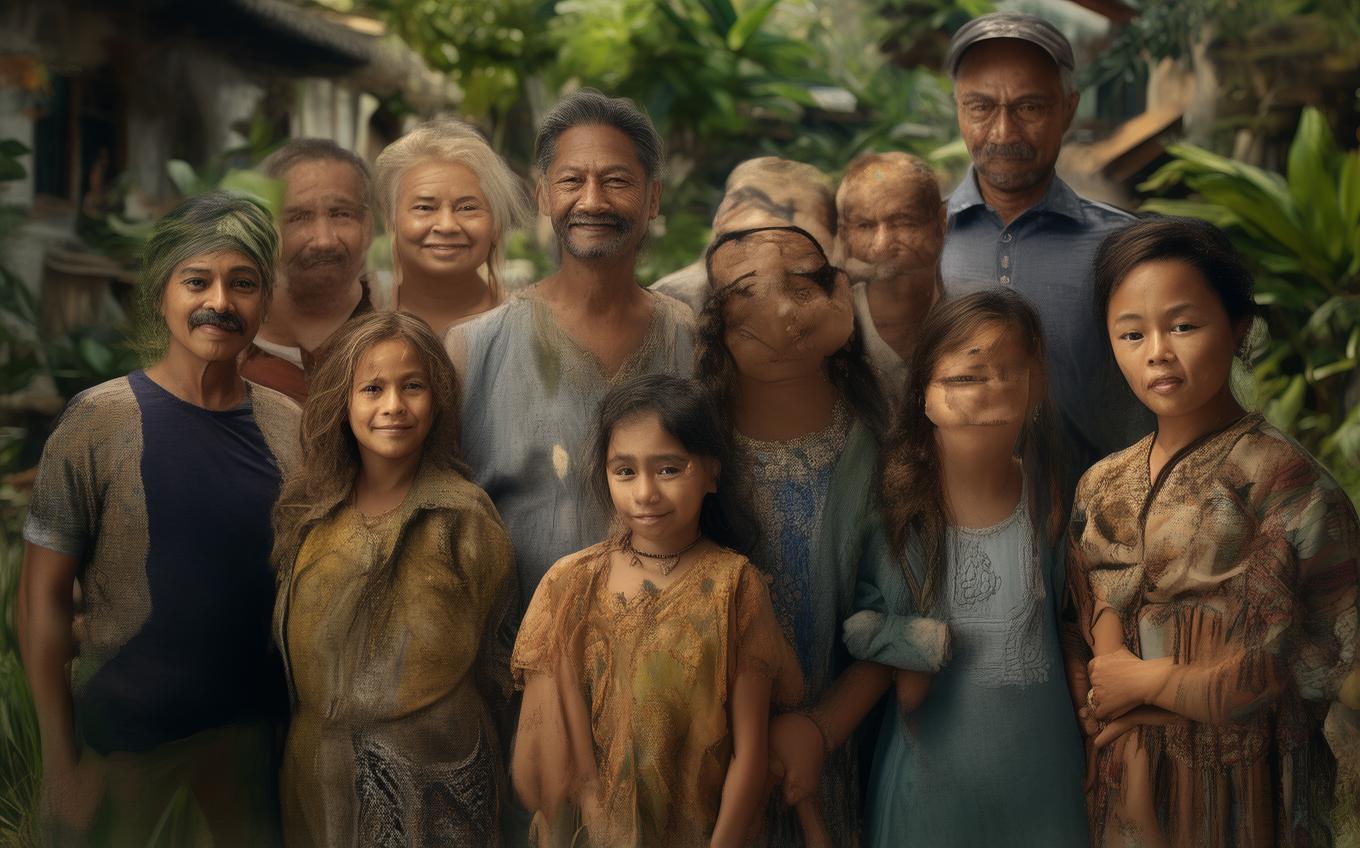
1. Basic Information
- Word: 后代
- Pinyin: hòudài
- Literal Meaning: “after/later” + “generation/era”
- Primary Meaning: descendants; posterity; future generations; offspring
2. In-depth Explanation
- Context and Usage:
“后代” is a noun used to refer to people who come after a particular person or group in a family line, or to future generations in general. It can mean: - The biological descendants of a specific person or family
- Future generations of society as a whole
- Offspring or posterity in a broad sense
The word is fairly common in both spoken and written Chinese, but it tends to sound slightly more formal or collective than simply saying “children.” For example, when talking about protecting the environment or passing down traditions, “后代” is a natural word choice because it refers to all future generations, not just one’s own children.
In historical or literary contexts, “后代” can also mean “later generations” or “people of later periods,” not necessarily direct biological descendants.
- Character Breakdown:
- 后 (hòu): after, later, behind. In simplified Chinese, this character is also used for the word “queen/empress” in some classical contexts, but in “后代” it represents the simplified form of the traditional character 後, meaning “after” or “later.”
- 代 (dài): generation, era. It can also mean “to replace” or “to act on behalf of” in other words, but here it clearly means “generation.”
Together, “后代” literally means “later generations.”
3. Example Sentences
Example 1
- Chinese: 我们要为后代保护环境。
- Pinyin: Wǒmen yào wèi hòudài bǎohù huánjìng.
- English: We must protect the environment for future generations.
Example 2
- Chinese: 他是孔子的后代。
- Pinyin: Tā shì Kǒngzǐ de hòudài.
- English: He is a descendant of Confucius.
Example 3
- Chinese: 这些传统应该传给后代。
- Pinyin: Zhèxiē chuántǒng yīnggāi chuán gěi hòudài.
- English: These traditions should be passed down to future generations.
Cultural Notes (if applicable)
In traditional Chinese culture, having descendants has long been considered extremely important. Continuing the family line and honoring ancestors through later generations is a major theme in Confucian thought. This cultural value appears in expressions such as 传宗接代 (chuán zōng jiē dài), meaning “to carry on the family line.”
Because of this cultural background, the word “后代” can carry a sense of responsibility, continuity, and legacy. In modern usage, it is also commonly used in discussions about environmental protection, social development, and preserving cultural heritage for those who will come after us.
Conclusion
Remember “后代” by thinking of its two parts: 后 (“after/later”) and 代 (“generation”). If you imagine “the generations that come after,” you have the core meaning: descendants, posterity, or future generations. Use it when talking about family lineage or about humanity and society in the long term.
Sources and Further Reading
Dictionary links are provided for independent reference. Example sentences and learning notes on this page are educational explanations rather than dictionary quotations.



Comments (0)
No comments yet. Be the first to comment!