1. Basic Information
- Word: 花纹
- Pinyin: huā wén
- Literal Meaning: “flower pattern” or “flower lines”; 花 means “flower,” and 纹 means “line/pattern.”
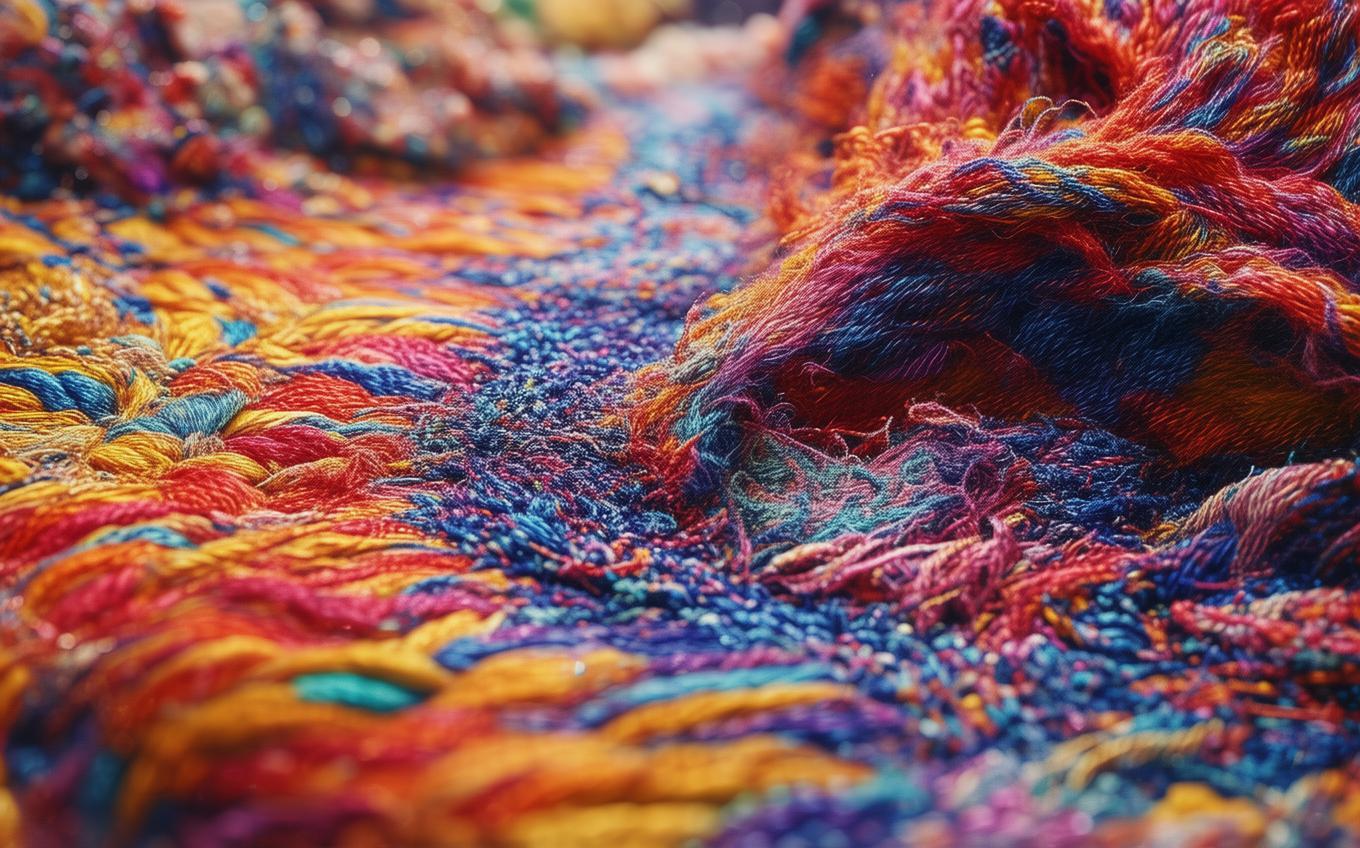
- Primary Meaning: A visible decorative pattern, ornamental design, or natural marking on a surface.
2. In-depth Explanation
Context and Usage
花纹 is a common noun used for visible patterns on fabrics, paper, ceramics, wallpaper, furniture, packaging, and animal bodies. It can refer to man-made decoration, such as a printed design on cloth, or natural markings, such as the patterns on a butterfly’s wings or a snake’s skin. Although the first character is 花 (“flower”), 花纹 does not always mean a floral design. It can describe stripes, spots, geometric motifs, scrolling vines, and other repeated decorative markings.
It is usually used as a noun, often after 有 (“have”) or 带 (“carry/bear”): 有花纹 means “have a pattern,” and 带花纹的 means “patterned” or “with a pattern.” You can describe a pattern as 漂亮 (“pretty”), 清晰 (“clear”), 复杂 (“complex”), or 精美 (“fine/exquisite”). It is not normally used as an adjective by itself; say 带花纹的衣服 (“clothing with a pattern”), not 很花纹的衣服.
Compared with related words:
- 图案 (tú’àn) is a broader word for “design/pattern,” often emphasizing a designed graphic.
- 纹理 (wénlǐ) often means “texture” or “grain,” especially in materials.
- 纹路 (wénlù) emphasizes the lines or grain of a surface.
- 花纹 emphasizes a visible decorative or natural pattern on a surface.
Do not use 花纹 for abstract “patterns” such as patterns of behavior or economic trends. In those cases, Chinese would use words such as 模式 (móshì, model/pattern) or 规律 (guīlǜ, law/regularity).
Character Breakdown
- 花 (huā): “flower.” It can also suggest something decorative or floral, as in 花布 (huābù, floral-print cloth).
- 纹 (wén): “line, vein, grain, pattern.” It appears in words such as 纹理 (wénlǐ, texture), 纹路 (wénlù, lines/grain), and 皱纹 (zhòuwén, wrinkle).
Together, 花纹 literally suggests “flower-like lines,” but its actual meaning is broader: a pattern or marking that decorates or distinguishes a surface.
3. Example Sentences
- Chinese: 这件衣服上有漂亮的花纹。
- Pinyin: Zhè jiàn yīfu shàng yǒu piàoliang de huāwén.
-
English: This piece of clothing has a beautiful pattern.
-
Chinese: 她喜欢那种带花纹的瓷器。
- Pinyin: Tā xǐhuan nà zhǒng dài huāwén de cíqì.
-
English: She likes that kind of porcelain with decorative patterns.
-
Chinese: 蝴蝶翅膀上的花纹非常复杂。
- Pinyin: Húdié chìbǎng shàng de huāwén fēicháng fùzá.
- English: The patterns on the butterfly’s wings are very complex.
Cultural Notes (if applicable)
In Chinese decorative arts, 花纹 are central to ceramics, silk textiles, paper-cutting, architecture, and folk crafts. Many traditional patterns have symbolic meanings, such as 云纹 (yúnwén, cloud patterns), 回纹 (huíwén, fret patterns), 莲花纹 (liánhuāwén, lotus patterns), and 龙纹 (lóngwén, dragon patterns). These patterns may express good fortune, status, religious meaning, or aesthetic taste. For learners, it is useful to remember that 花纹 often refers to the visible “decorative language” of an object, not necessarily literal flowers.
Conclusion
Remember 花纹 as a visible decorative or natural pattern on a surface. The character 花 may suggest “flower,” but the word covers many kinds of patterns, including stripes, spots, and geometric designs. Use it as a noun with 有 or 带, and avoid using it for abstract patterns.
Sources and Further Reading
Dictionary links are provided for independent reference. Example sentences and learning notes on this page are educational explanations rather than dictionary quotations.


Comments (0)
No comments yet. Be the first to comment!