1. Basic Information
- Word: 手表
- Pinyin: shǒu biǎo
- Literal Meaning: "Hand" (手) + "Meter/Gauge" (表) = "Hand meter"
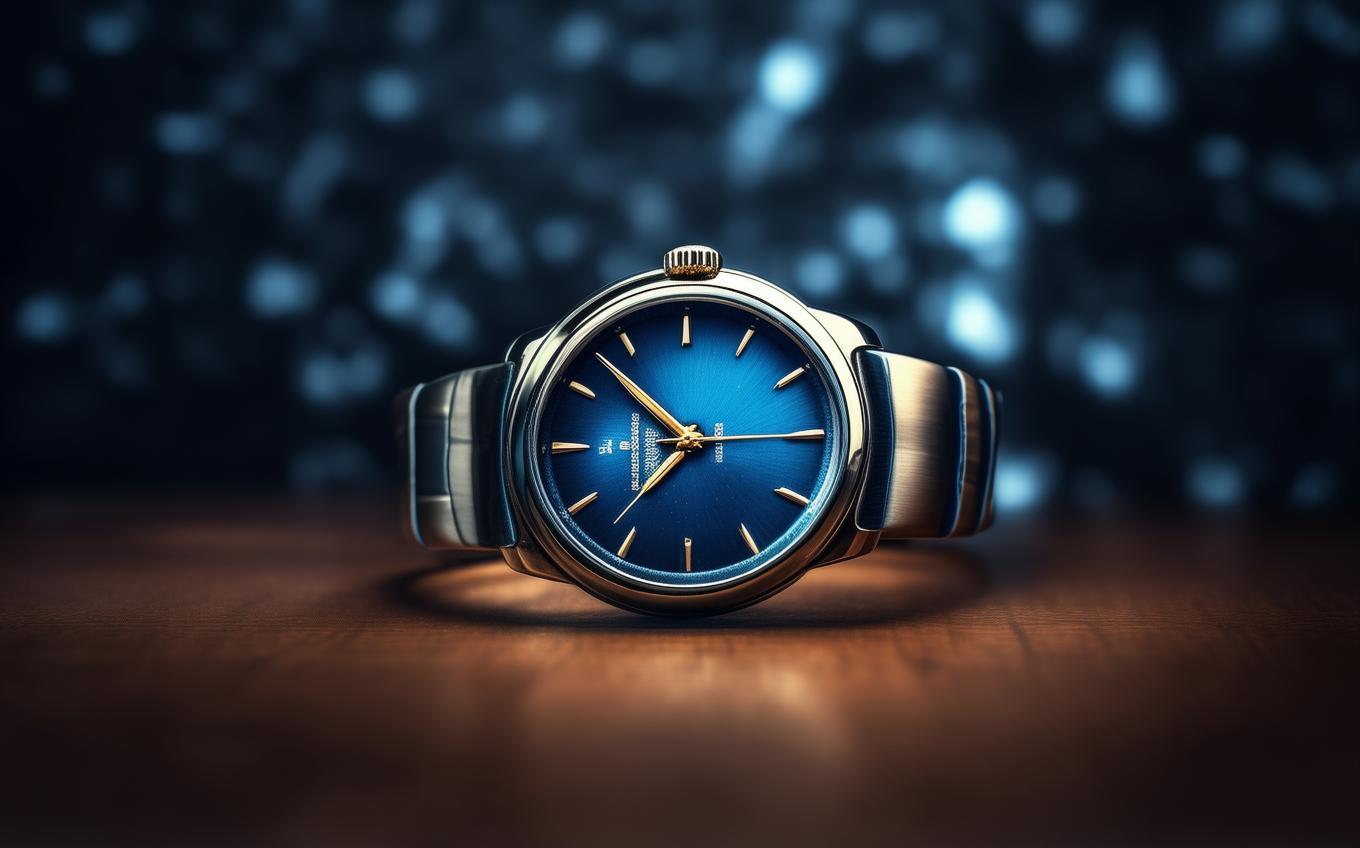
- Primary Meaning: "Watch" (a timepiece worn on the wrist)
2. In-depth Explanation
- Context and Usage:
- "手表" is the most common term for a wristwatch in Mandarin. It is neutral in tone and can be used in both formal and informal contexts.
- Unlike English, where "watch" can sometimes refer to pocket watches or clocks, "手表" specifically refers to a wearable timepiece on the wrist.
-
It is often paired with verbs like "戴" (dài, "to wear") or "买" (mǎi, "to buy").
-
Character Breakdown:
- 手 (shǒu): Means "hand." It appears in many words related to manual actions or body parts.
- 表 (biǎo): Originally means "surface" or "to show," but in this context, it refers to a measuring device (like a meter or gauge). Together, they form "hand meter," i.e., a watch.
3. Example Sentences
-
Chinese: 我的手表很贵。
Pinyin: Wǒ de shǒubiǎo hěn guì.
English: My watch is very expensive. -
Chinese: 他每天戴手表。
Pinyin: Tā měi tiān dài shǒubiǎo.
English: He wears a watch every day. -
Chinese: 这块手表是我爸爸送的礼物。
Pinyin: Zhè kuài shǒubiǎo shì wǒ bàba sòng de lǐwù.
English: This watch is a gift from my dad.
Cultural Notes
- In Chinese culture, watches are often given as gifts, especially for significant occasions like graduations or birthdays. A high-quality watch symbolizes punctuality, responsibility, and success.
- Luxury watch brands like Rolex (劳力士, láolìshì) or Omega (欧米茄, ōumǐjiā) are highly valued status symbols in China.
- Traditional Chinese horology also includes unique timekeeping devices like incense clocks (香钟, xiāng zhōng), but "手表" refers exclusively to modern wristwatches.
Conclusion
"手表" (shǒu biǎo) is the standard term for a wristwatch in Chinese. Remember it by breaking it down: "hand" (手) + "meter" (表). Use it when talking about wearing, buying, or gifting watches. Now you can confidently discuss timepieces in Mandarin!
Sources and Further Reading
Dictionary links are provided for independent reference. Example sentences and learning notes on this page are educational explanations rather than dictionary quotations.



Comments (0)
No comments yet. Be the first to comment!