Understanding "司机" - Chinese Word Explanation
1. Basic Information
- Word: 司机
- Pinyin: sī jī
- Literal Meaning: "司" means "to manage" or "to control," and "机" means "machine." Together, they literally translate to "machine manager."
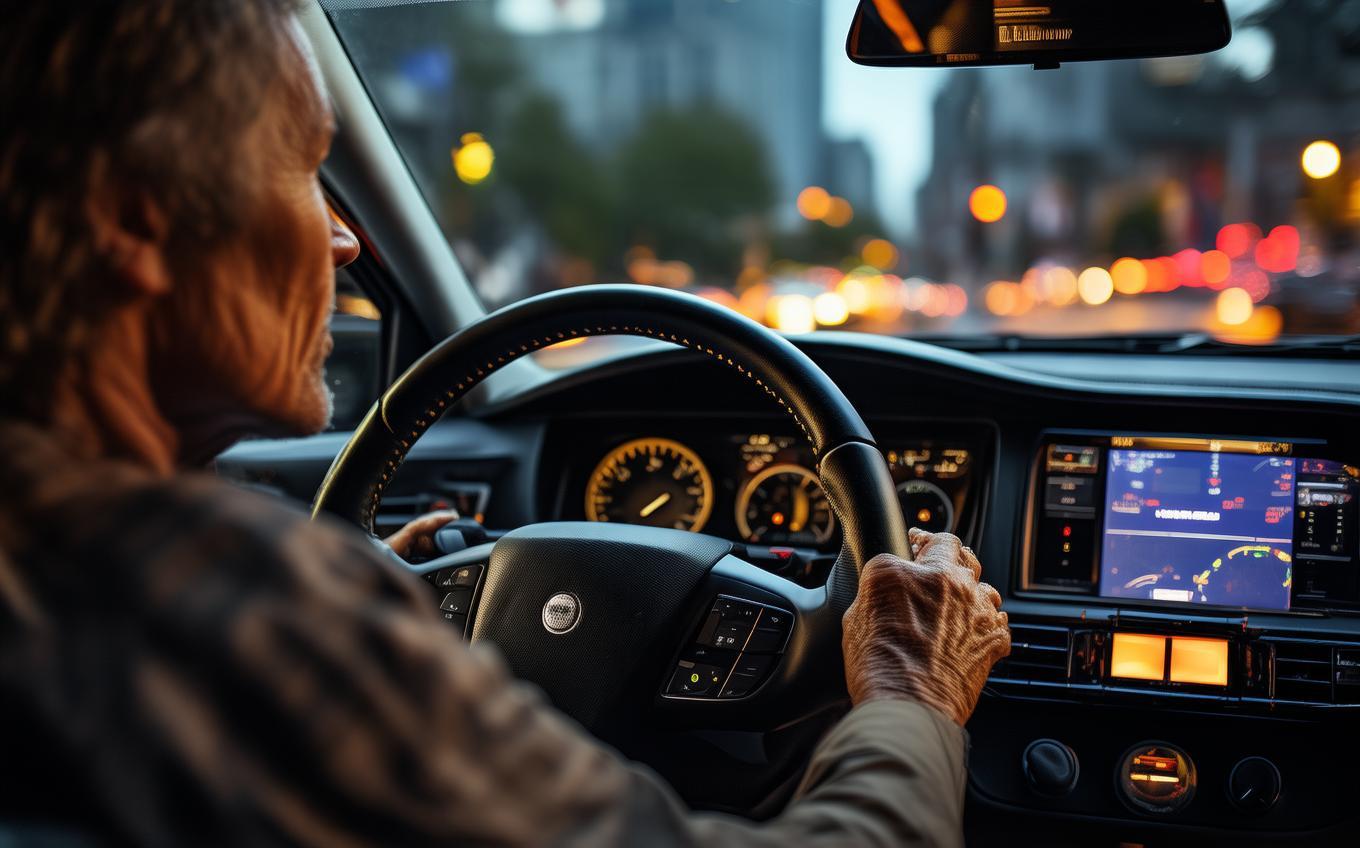
- Primary Meaning: The word refers to a "driver," someone who operates a vehicle (e.g., car, bus, truck).
2. In-depth Explanation
Context and Usage
"司机" is a neutral and commonly used term for drivers in Chinese. It applies to professional drivers (e.g., taxi drivers, bus drivers) as well as individuals driving personal vehicles. Unlike in English, where "driver" can sometimes imply a more casual role (e.g., "I’m the driver for this trip"), "司机" in Chinese often carries a slightly more formal or professional connotation.
Character Breakdown
- 司 (sī): This character means "to manage," "to take charge of," or "to control." It appears in words like "司法" (sī fǎ, "judicial") and "公司" (gōng sī, "company").
- 机 (jī): This character means "machine" or "mechanism." It appears in words like "飞机" (fēi jī, "airplane") and "手机" (shǒu jī, "mobile phone").
Together, "司机" implies someone who manages or controls a machine (i.e., a vehicle).
3. Example Sentences
-
Chinese: 他是出租车司机。
Pinyin: Tā shì chūzūchē sījī.
English: He is a taxi driver. -
Chinese: 这位司机开车很稳。
Pinyin: Zhè wèi sījī kāichē hěn wěn.
English: This driver drives very steadily. -
Chinese: 请系好安全带,司机马上要出发了。
Pinyin: Qǐng xì hǎo ānquán dài, sījī mǎshàng yào chūfā le.
English: Please fasten your seatbelt; the driver is about to depart.
Cultural Notes
In China, professional drivers (e.g., taxi or bus drivers) are often addressed respectfully as "师傅" (shīfu), which means "master" or "skilled worker." This reflects the cultural emphasis on respecting skilled labor. Additionally, ride-hailing services like Didi (China’s Uber equivalent) commonly refer to their drivers as "司机."
Conclusion
"司机" (sī jī) is a straightforward and widely used term for "driver" in Chinese. Remember that it combines "司" (to control) and "机" (machine), literally meaning "machine manager." Whether you’re talking about a taxi driver or a friend driving a car, this is the go-to word!



Comments (0)
No comments yet. Be the first to comment!