1. Basic Information
- Word: 浇水
- Pinyin: jiāo shuǐ
- Literal Meaning: "pour water"
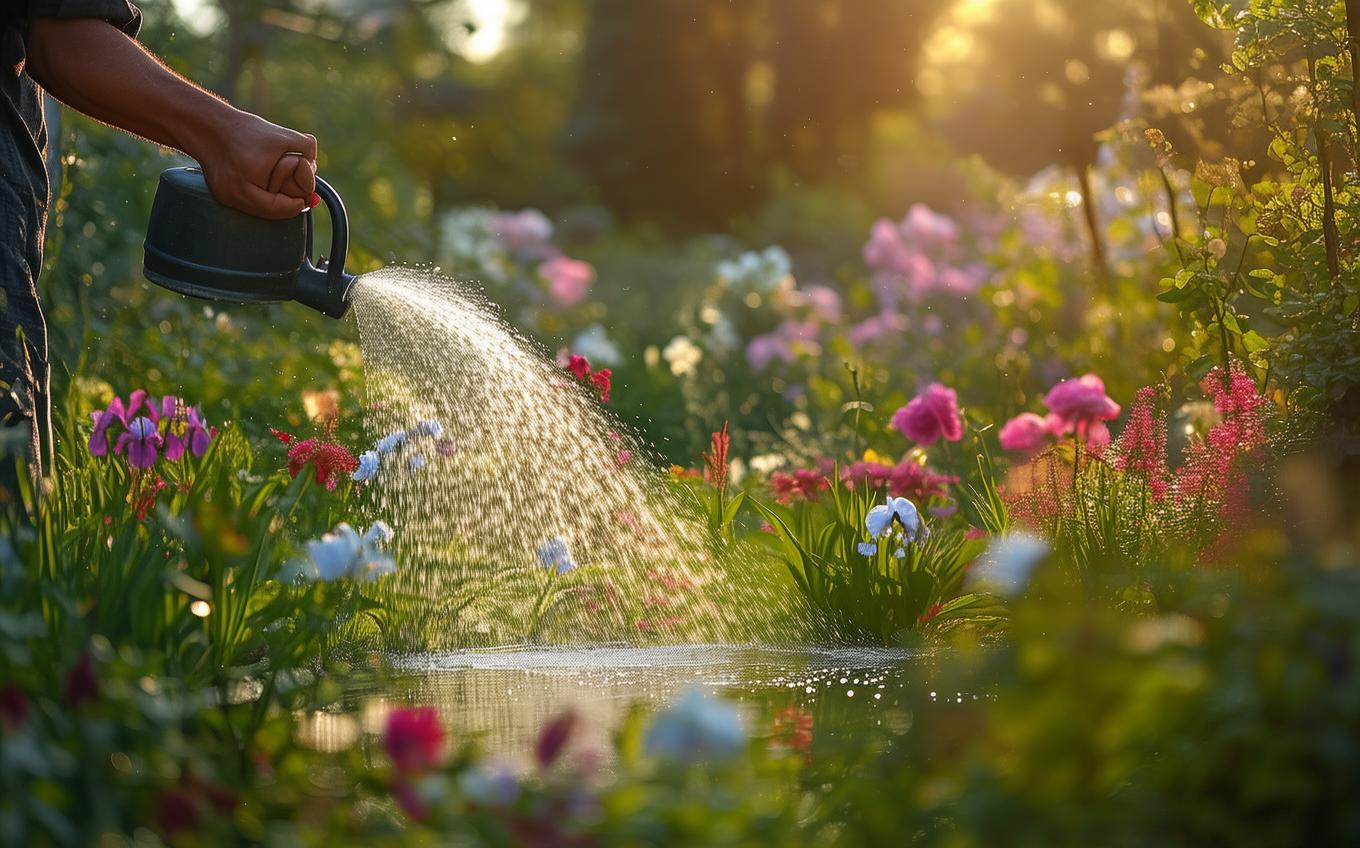
- Primary Meaning: To water (plants, crops, or soil); to irrigate.
2. In-depth Explanation
Context and Usage
"浇水" is a common verb used in daily life, gardening, and agriculture. It refers to the act of pouring water onto plants, soil, or crops to help them grow. It can also be used metaphorically to describe nurturing or supporting something (e.g., "浇灌梦想," meaning "to nurture dreams").
Character Breakdown
- 浇 (jiāo): Means "to pour" or "to water."
- 水 (shuǐ): Means "water."
Together, the characters literally mean "to pour water," which aligns with its primary meaning of watering plants.
3. Example Sentences
-
Chinese: 我每天给花浇水。
Pinyin: Wǒ měi tiān gěi huā jiāo shuǐ.
English: I water the flowers every day. -
Chinese: 农民在田里浇水。
Pinyin: Nóngmín zài tián lǐ jiāo shuǐ.
English: The farmers are watering the fields. -
Chinese: 别忘了给小树苗浇水。
Pinyin: Bié wàngle gěi xiǎo shùmiáo jiāo shuǐ.
English: Don’t forget to water the saplings.
Cultural Notes
In Chinese culture, gardening and agriculture have deep historical roots. "浇水" reflects the importance of tending to plants, whether in small home gardens or large farms. The concept of nurturing growth, both literally and metaphorically, is a recurring theme in Chinese philosophy and literature.
Conclusion
"浇水" (jiāo shuǐ) is a practical and commonly used word meaning "to water." It combines the characters for "pour" and "water," making it easy to remember. Whether you’re gardening or learning about Chinese agricultural practices, this word is essential!
Sources and Further Reading
Dictionary links are provided for independent reference. Example sentences and learning notes on this page are educational explanations rather than dictionary quotations.



Comments (0)
No comments yet. Be the first to comment!