1. Basic Information
- Word: 浪费
- Pinyin: làng fèi
- Literal Meaning: "reckless + spend"
- Primary Meaning: To waste (resources, time, money, etc.)
2. In-depth Explanation
Context and Usage
"浪费" is a verb used to describe the act of wasting something valuable, such as time, money, food, or opportunities. It carries a negative connotation, implying carelessness or inefficiency. It can be used in both formal and informal contexts.
For example:
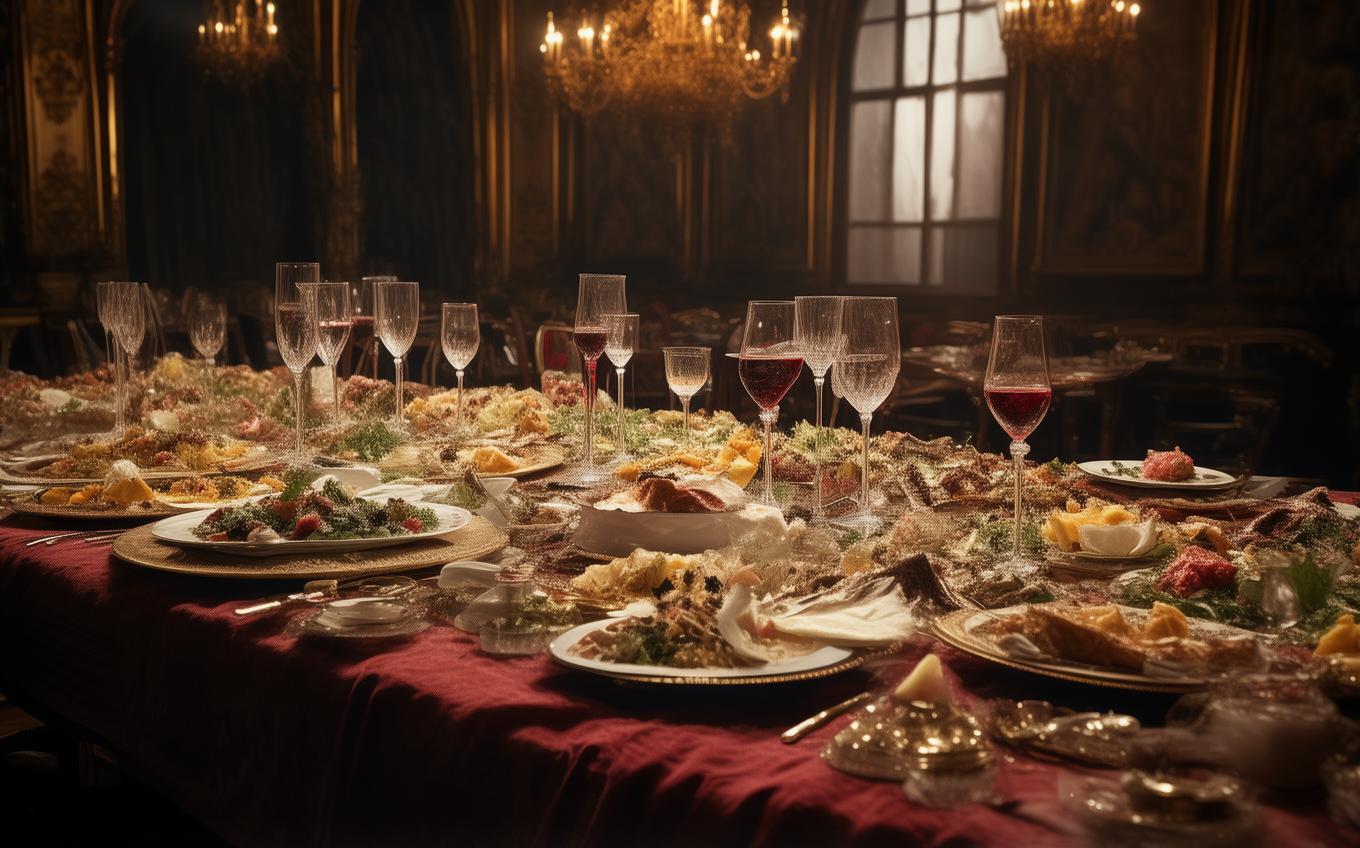
- Wasting food: 浪费食物 (làng fèi shí wù)
- Wasting time: 浪费时间 (làng fèi shí jiān)
- Wasting money: 浪费钱 (làng fèi qián)
Character Breakdown
- 浪 (làng): Literally means "wave," but in this context, it implies "reckless" or "extravagant."
- 费 (fèi): Means "to spend" or "expense." Together, they form the concept of "spending recklessly" or "squandering."
3. Example Sentences
-
Chinese: 不要浪费食物。
Pinyin: Bú yào làng fèi shí wù.
English: Don’t waste food. -
Chinese: 他浪费了很多时间玩游戏。
Pinyin: Tā làng fèi le hěn duō shí jiān wán yóu xì.
English: He wasted a lot of time playing games. -
Chinese: 这样花钱太浪费了。
Pinyin: Zhè yàng huā qián tài làng fèi le.
English: Spending money like this is too wasteful.
Cultural Notes
In Chinese culture, frugality is highly valued, especially among older generations who experienced periods of scarcity. Wasting food or resources is often seen as disrespectful or irresponsible. The phrase "浪费可耻" (làng fèi kě chǐ, "wasting is shameful") reflects this mindset.
Conclusion
"浪费" (làng fèi) means "to waste" and is used to criticize unnecessary or careless consumption. Remember its negative tone and use it to discourage wasteful behavior. Keep in mind the cultural emphasis on thriftiness when using this word!
Sources and Further Reading
Dictionary links are provided for independent reference. Example sentences and learning notes on this page are educational explanations rather than dictionary quotations.



Comments (0)
No comments yet. Be the first to comment!