1. Basic Information
- Word: 强壮
- Pinyin: qiáng zhuàng
- Literal Meaning: "Strong" (强) + "Sturdy/Robust" (壮)
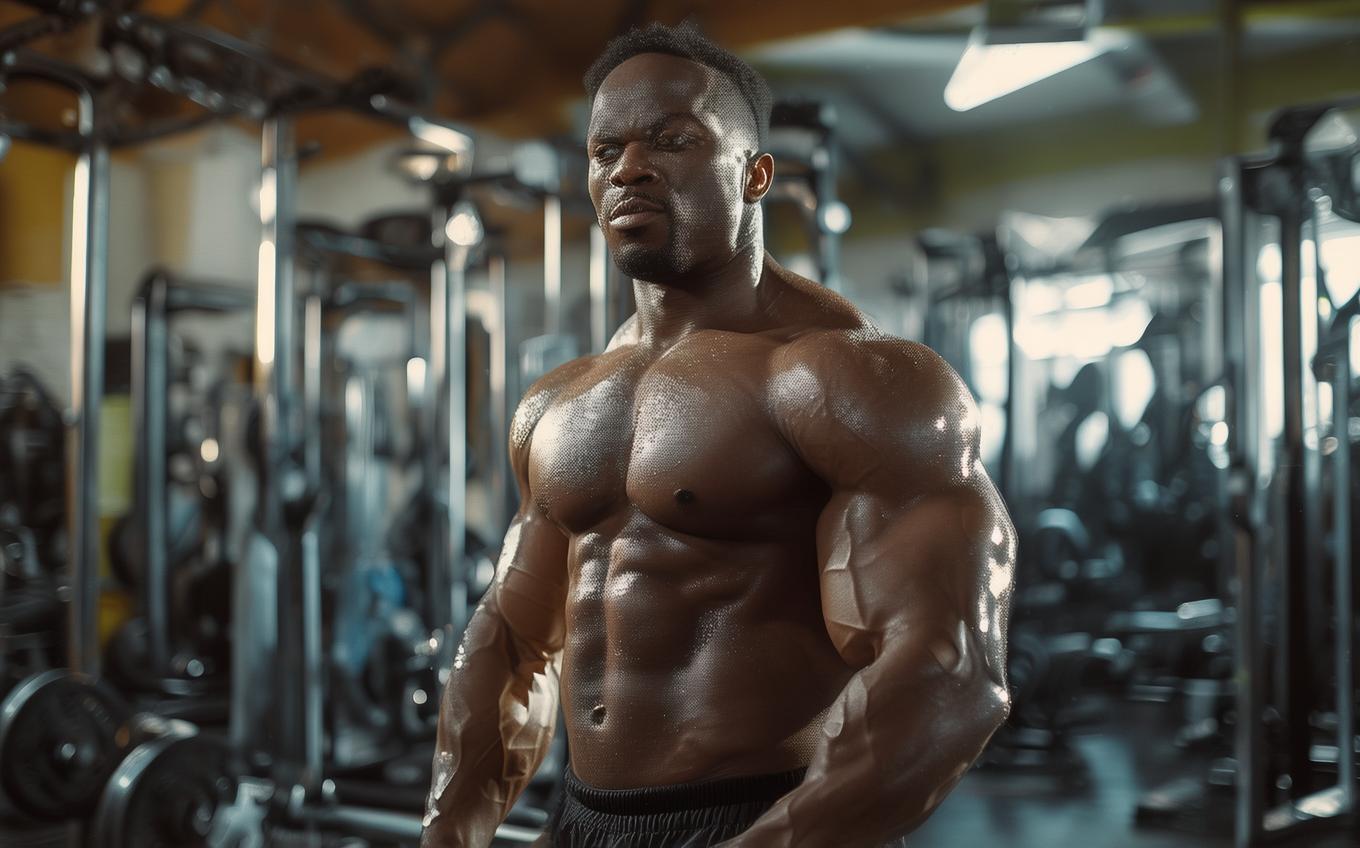
- Primary Meaning: Physically strong, robust, or muscular; describes someone or something with great physical power or vitality.
2. In-depth Explanation
Context and Usage
"强壮" is commonly used to describe people (especially men) or animals with a strong, muscular, or healthy physique. It emphasizes physical strength and endurance. Unlike "健康" (healthy), which focuses on general well-being, "强壮" specifically highlights bodily power. It can also describe objects or systems that are sturdy or resilient, though this usage is less frequent.
Character Breakdown
- 强 (qiáng): Means "strong," "powerful," or "forceful."
- 壮 (zhuàng): Means "sturdy," "robust," or "strong" (often in a physical or vigorous sense). Together, the characters reinforce the idea of physical strength.
3. Example Sentences
-
Chinese: 他每天锻炼,身体非常强壮。
Pinyin: Tā měi tiān duànliàn, shēntǐ fēicháng qiángzhuàng.
English: He exercises every day and is very strong. -
Chinese: 这只老虎看起来很强壮。
Pinyin: Zhè zhī lǎohǔ kàn qǐlái hěn qiángzhuàng.
English: This tiger looks very powerful. -
Chinese: 强壮的体魄需要坚持锻炼。
Pinyin: Qiángzhuàng de tǐpò xūyào jiānchí duànliàn.
English: A strong physique requires consistent exercise.
Cultural Notes
In Chinese culture, physical strength ("强壮") has traditionally been admired, especially in contexts like martial arts, labor, or sports. However, modern values also emphasize balance—being strong doesn’t necessarily mean being aggressive. The term is often associated with positive traits like diligence and resilience, as strength is seen as a result of hard work.
Conclusion
"强壮" (qiáng zhuàng) describes physical strength and robustness, often applied to people or animals. Remember it by breaking down the characters: 强 (strong) + 壮 (sturdy). Use it to compliment someone’s physique or highlight resilience!
Sources and Further Reading
Dictionary links are provided for independent reference. Example sentences and learning notes on this page are educational explanations rather than dictionary quotations.



Comments (0)
No comments yet. Be the first to comment!