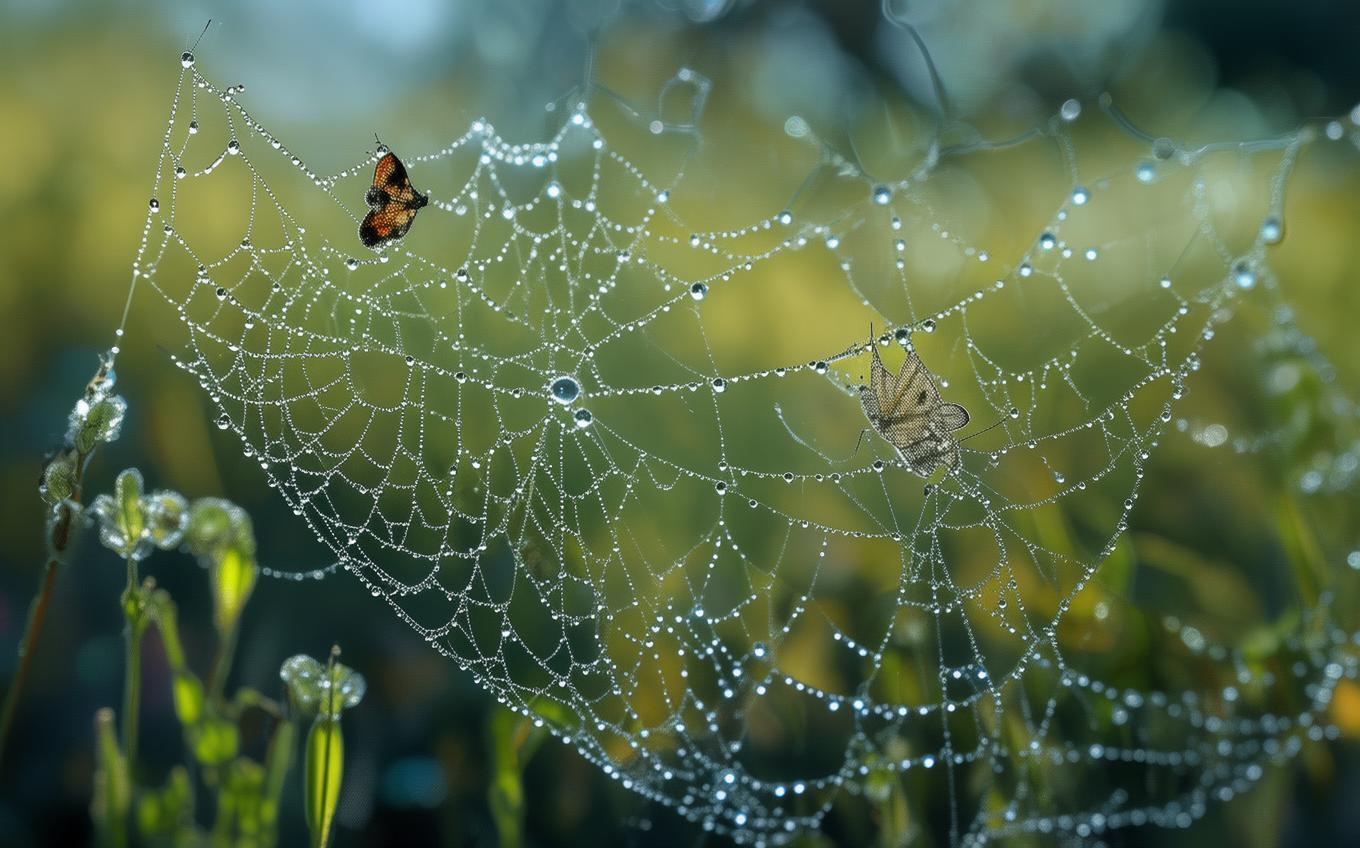
1. Basic Information
- Word: 脆弱
- Pinyin: cuì ruò
- Literal Meaning: "brittle" (脆) + "weak" (弱)
- Primary Meaning: fragile; vulnerable; easily broken or emotionally sensitive
2. In-depth Explanation
Context and Usage
"脆弱" describes something or someone that is physically delicate, emotionally sensitive, or easily damaged. It can refer to:
- Physical objects (e.g., glass, thin ice)
- Emotional states (e.g., feeling hurt or easily upset)
- Abstract concepts (e.g., a fragile economy or relationship)
Nuances:
- Often carries a negative connotation, implying a lack of resilience.
- Can express sympathy when describing someone's emotional state.
Character Breakdown
- 脆 (cuì): Means "brittle," "crispy," or "fragile." Often used for physical breakability (e.g., 脆饼干, "crispy crackers").
- 弱 (ruò): Means "weak" or "feeble." Used for physical, emotional, or metaphorical weakness (e.g., 软弱, "weak-willed").
Together, they emphasize a state of being easily broken or hurt.
3. Example Sentences
-
Chinese: 她的感情很脆弱。
Pinyin: Tā de gǎnqíng hěn cuìruò.
English: Her emotions are very fragile. -
Chinese: 这种材料太脆弱,不适合做家具。
Pinyin: Zhè zhǒng cáiliào tài cuìruò, bù shìhé zuò jiājù.
English: This material is too fragile to be used for furniture. -
Chinese: 他在失败后显得很脆弱。
Pinyin: Tā zài shībài hòu xiǎndé hěn cuìruò.
English: He seemed very vulnerable after the failure.
Cultural Notes
- In Chinese culture, showing emotional vulnerability (脆弱) is often seen as a sign of sincerity, but it may also be perceived as a lack of resilience, especially in traditional contexts where strength is valued.
- The word is commonly used in discussions about mental health, relationships, or material quality.
Conclusion
"脆弱" (cuì ruò) is a versatile word describing fragility, whether physical or emotional. Remember it as a combination of "brittle" (脆) and "weak" (弱), and use it to express vulnerability in objects, people, or situations.
Sources and Further Reading
Dictionary links are provided for independent reference. Example sentences and learning notes on this page are educational explanations rather than dictionary quotations.



Comments (0)
No comments yet. Be the first to comment!