
1. Basic Information
- Word: 乡村
- Pinyin: xiāng cūn
- Literal Meaning: "Countryside village" (乡 = rural/countryside; 村 = village)
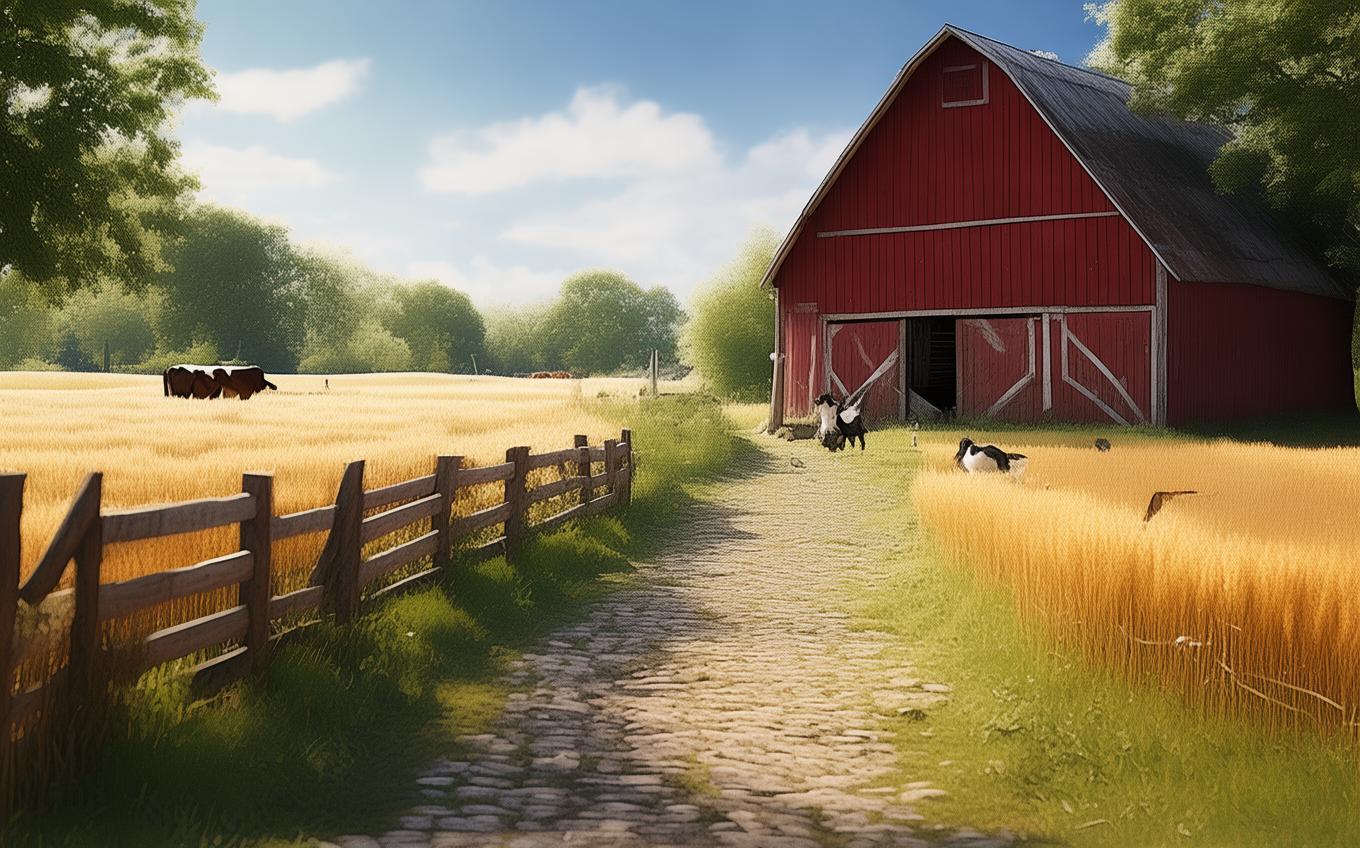
- Primary Meaning: Refers to rural areas or villages, often contrasting with urban cities (城市). It evokes imagery of agricultural life, nature, and traditional communities.
2. In-depth Explanation
Context and Usage
- General Use: 乡村 describes geographical areas outside cities, typically with farms, small settlements, and natural landscapes. It carries a neutral or positive connotation, often associated with simplicity, tranquility, and cultural heritage.
- Nuances: In modern contexts, 乡村 may imply underdevelopment (e.g., lack of infrastructure) or nostalgia (e.g., romanticized rural life). It’s also used in terms like 乡村旅游 (rural tourism) or 乡村振兴 (rural revitalization).
Character Breakdown
- 乡 (xiāng): Means "countryside," "hometown," or "native place." It emphasizes a connection to one’s roots.
- 村 (cūn): Means "village" or "hamlet," referring to small, often tight-knit communities.
Together, 乡村 emphasizes the communal and agrarian aspects of rural life.
3. Example Sentences
-
Chinese: 我的祖父母住在乡村。
Pinyin: Wǒ de zǔfùmǔ zhù zài xiāngcūn.
English: My grandparents live in the countryside. -
Chinese: 乡村的空气比城市新鲜。
Pinyin: Xiāngcūn de kōngqì bǐ chéngshì xīnxiān.
English: The air in the countryside is fresher than in the city. -
Chinese: 政府正在推动乡村发展。
Pinyin: Zhèngfǔ zhèngzài tuīdòng xiāngcūn fāzhǎn.
English: The government is promoting rural development.
Cultural Notes
- Historical Significance: 乡村 has been the backbone of Chinese agrarian society for millennia, symbolizing Confucian values of hard work and family ties.
- Modern Context: Rapid urbanization has made 乡村 a focal point for policies aiming to reduce urban-rural inequality. The term also appears in art and literature as a symbol of nostalgia or cultural identity.
Conclusion
乡村 (xiāng cūn) is a versatile term for "countryside" or "rural village," reflecting both the simplicity and challenges of non-urban life. Remember it through its characters: 乡 (hometown) + 村 (village). Use it to discuss geography, travel, or societal issues in China.
Sources and Further Reading
Dictionary links are provided for independent reference. Example sentences and learning notes on this page are educational explanations rather than dictionary quotations.


Comments (0)
No comments yet. Be the first to comment!