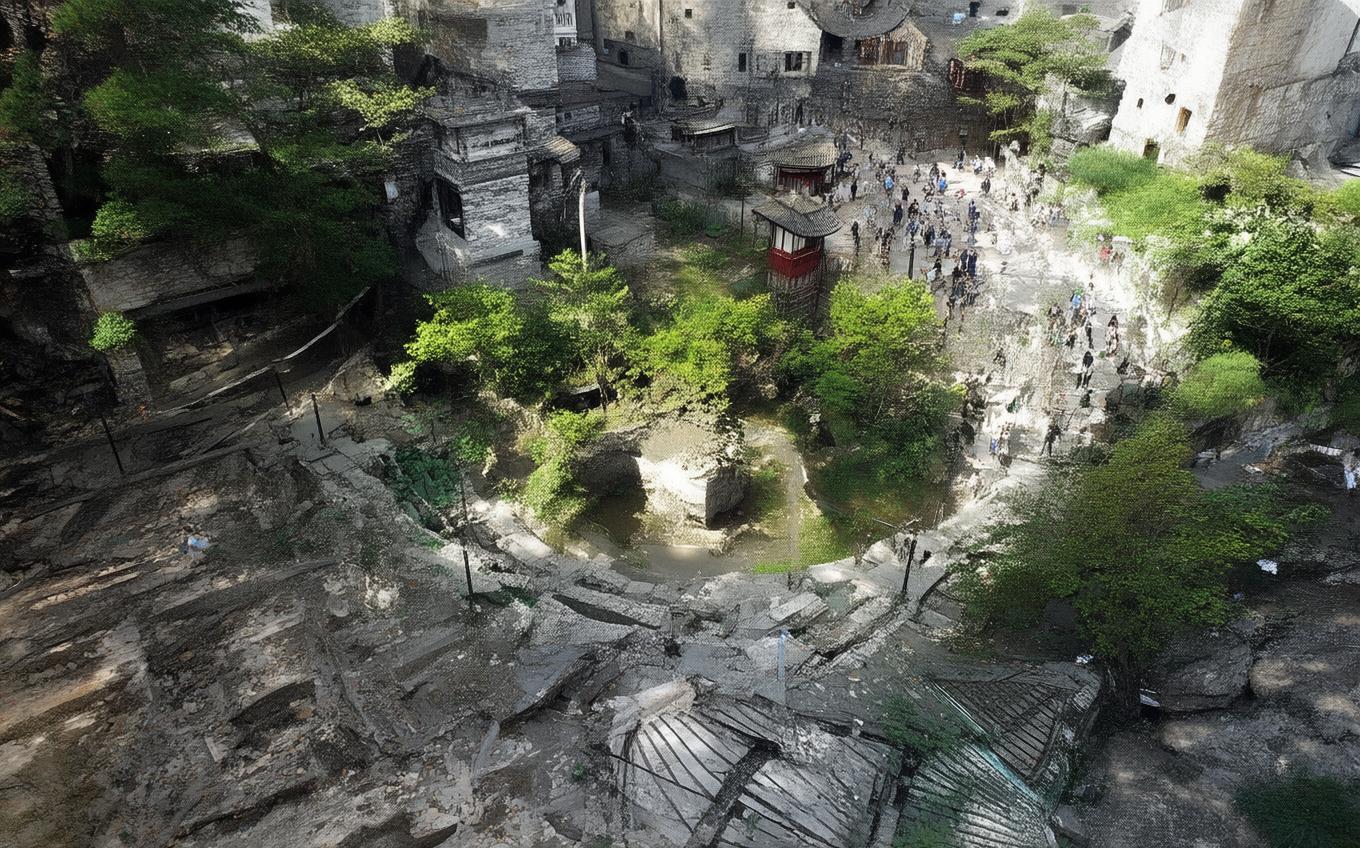
Analysis of "遣怀" - Classical Chinese Poetry
Introduction "遣怀" (Qiǎn Huái), meaning "Dispelling Sorrow," is a famous poem by the Tang Dynasty ...
Explore Chinese vocabulary guides, reading notes, and culture articles in one place
Found 4318 posts in total , page 248 of 360
Introduction "遣怀" (Qiǎn Huái), meaning "Dispelling Sorrow," is a famous poem by the Tang Dynasty ...
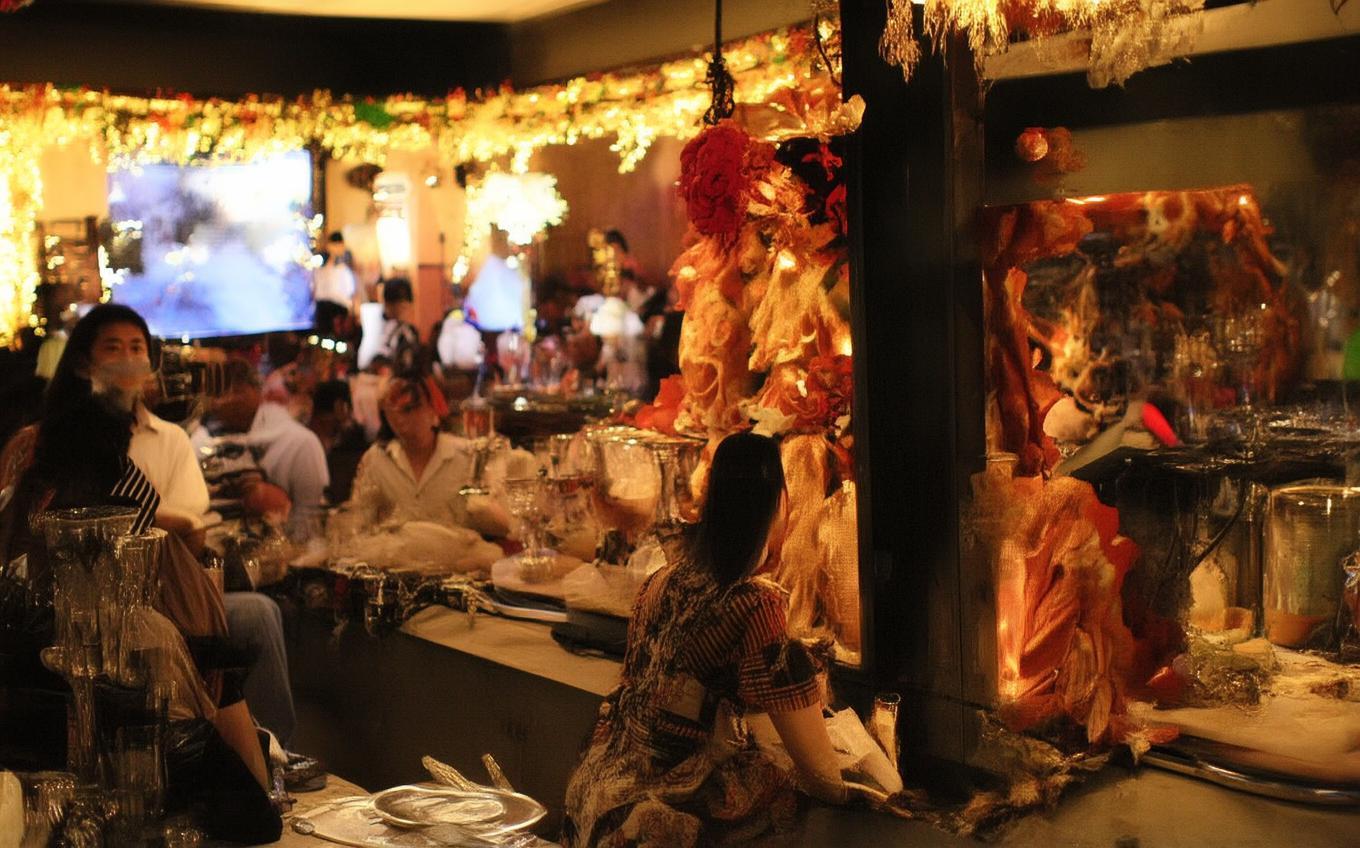
Introduction The poem "金谷园" (Jīn Gǔ Yuán) was written by the Tang Dynasty poet 杜牧 (Dù Mù, 803–852...
Introduction This melancholic poem was written by Li Shangyin (李商隐, c. 813–858), one of the most ...
Introduction "钗头凤·世情薄" (Chāi Tóu Fèng · Shì Qíng Bó) is a famous lyric poem (cí) written by Tang ...
Introduction "书愤" (Shū Fèn, "Venting Anger Through Writing") is a famous poem by the Southern Son...
Introduction The poem "春夜洛城闻笛" (Chūn Yè Luò Chéng Wén Dí) was written by the renowned Tang Dynast...
Introduction "梦李白·其一" (Mèng Lǐ Bái·Qí Yī, "Dreaming of Li Bai, No. 1") is a poignant poem written...
Introduction "梦李白·其二" (Mèng Lǐ Bái·Qí Èr, "Dreaming of Li Bai, Part Two") is a poignant poem by t...
Introduction The poem "瑶池" (Yáo Chí) was written by the renowned Tang Dynasty poet Li Shangyin (李...
Introduction The poem "安定城楼" (Ān Dìng Chéng Lóu) was written by Li Shangyin (李商隐), one of the mos...
Introduction Li Shangyin (李商隐, c. 813–858) was a late Tang Dynasty poet renowned for his enigmati...
Introduction Li Shangyin (李商隐, c. 813–858) was a renowned poet of the late Tang Dynasty, known fo...