Analysis of "殿前欢·对菊自叹" - Classical Chinese Poetry
Introduction "殿前欢·对菊自叹" (Diàn Qián Huān·Duì Jú Zì Tàn) is a classical Chinese poem written by Zha...
Guided readings of classical Chinese poetry with original text, attribution, pinyin, English translation, line-by-line analysis, imagery, and historical context. New guides use stored source records so the poem text and author can be checked independently.
Introduction "殿前欢·对菊自叹" (Diàn Qián Huān·Duì Jú Zì Tàn) is a classical Chinese poem written by Zha...
Introduction The poem "折桂令·九日" (Zhégui Lìng·Jiǔ Rì, "Song of Plucking Laurel Branch·Double Ninth ...

Introduction "庆宣和·毛氏池亭" (Qìng Xuān Hé · Máo Shì Chí Tíng) is a beautiful ci poem (a classical Chi...
Introduction The poem "沉醉东风·渔夫" (Chén Zuì Dōng Fēng · Yú Fū), translated as "Intoxicated by the E...
Introduction "一半儿·题情" (Yī Bàn Er·Tí Qíng, "HalfandHalf: On Love") is a famous sanqu (散曲, a type o...
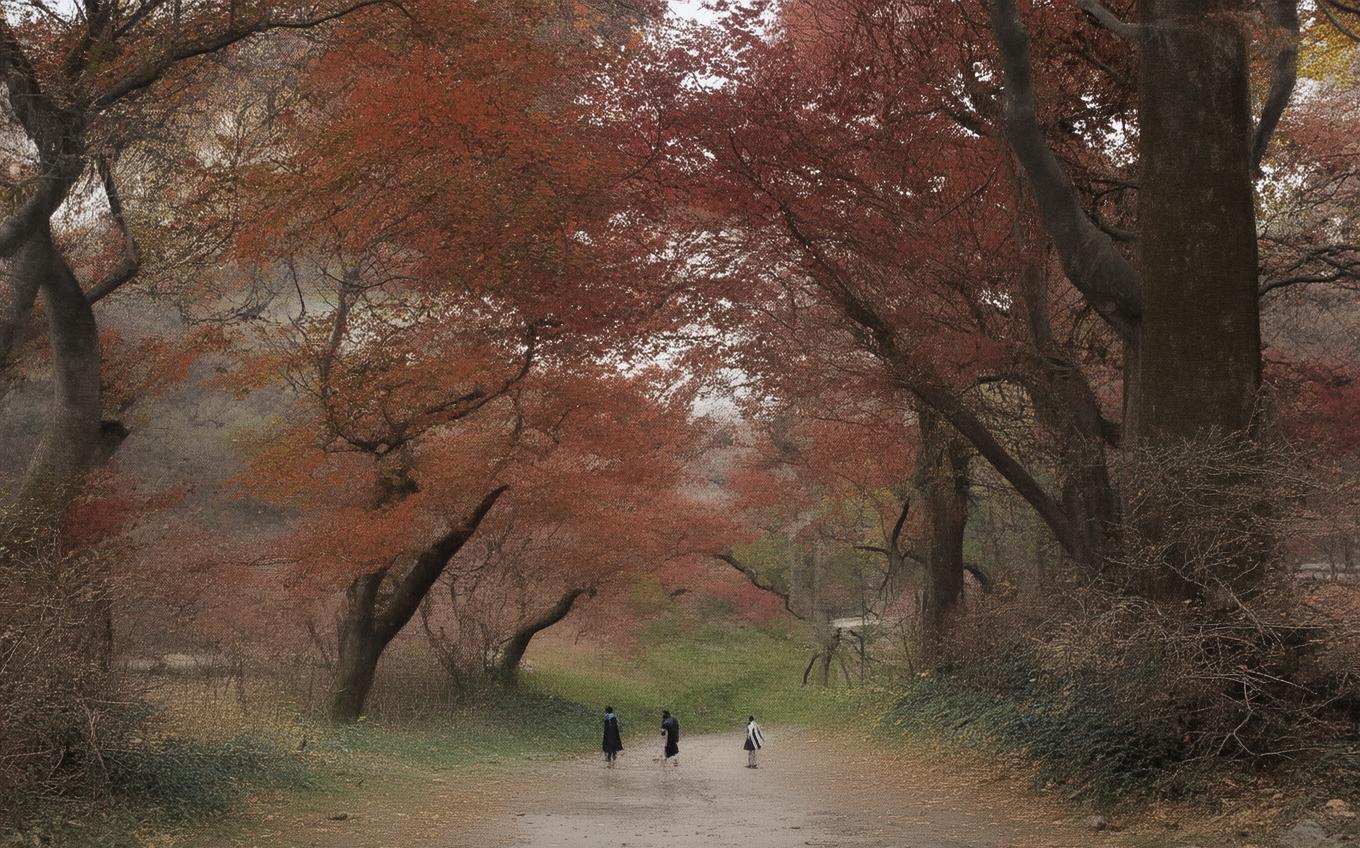
Introduction The poem "金字经·夜来西风里" (Jīn Zì Jīng · Yè Lái Xī Fēng Lǐ) is a sanqu (散曲), a type of ly...

Introduction The poem "拨不断·大鱼" (Bō Bù Duàn · Dà Yú) is a sanqu (散曲) lyric written by Wang Heqing ...
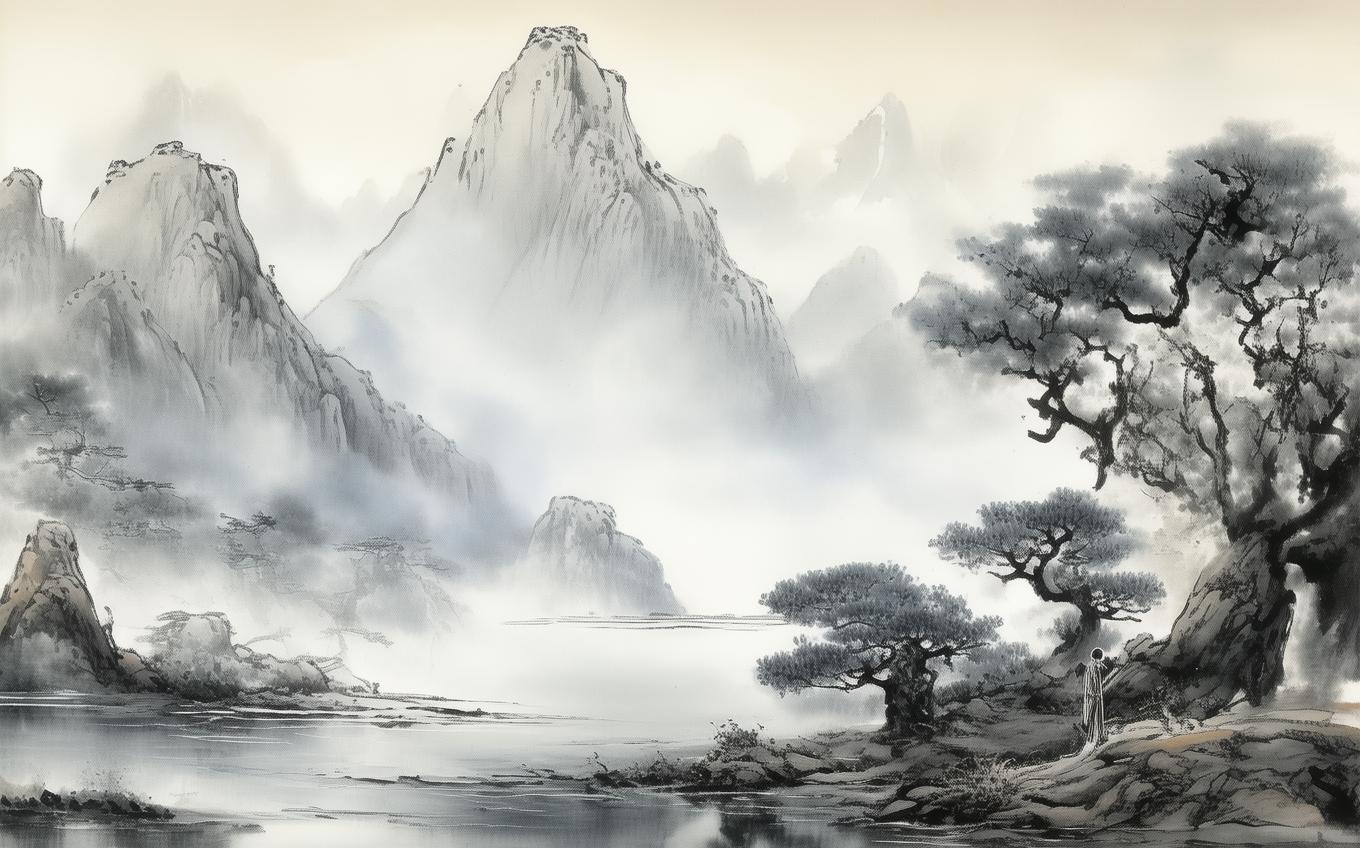
Introduction The poem "四块玉·别情" (Sì Kuài Yù · Bié Qíng) is a renowned sanqu (散曲) lyric written by ...
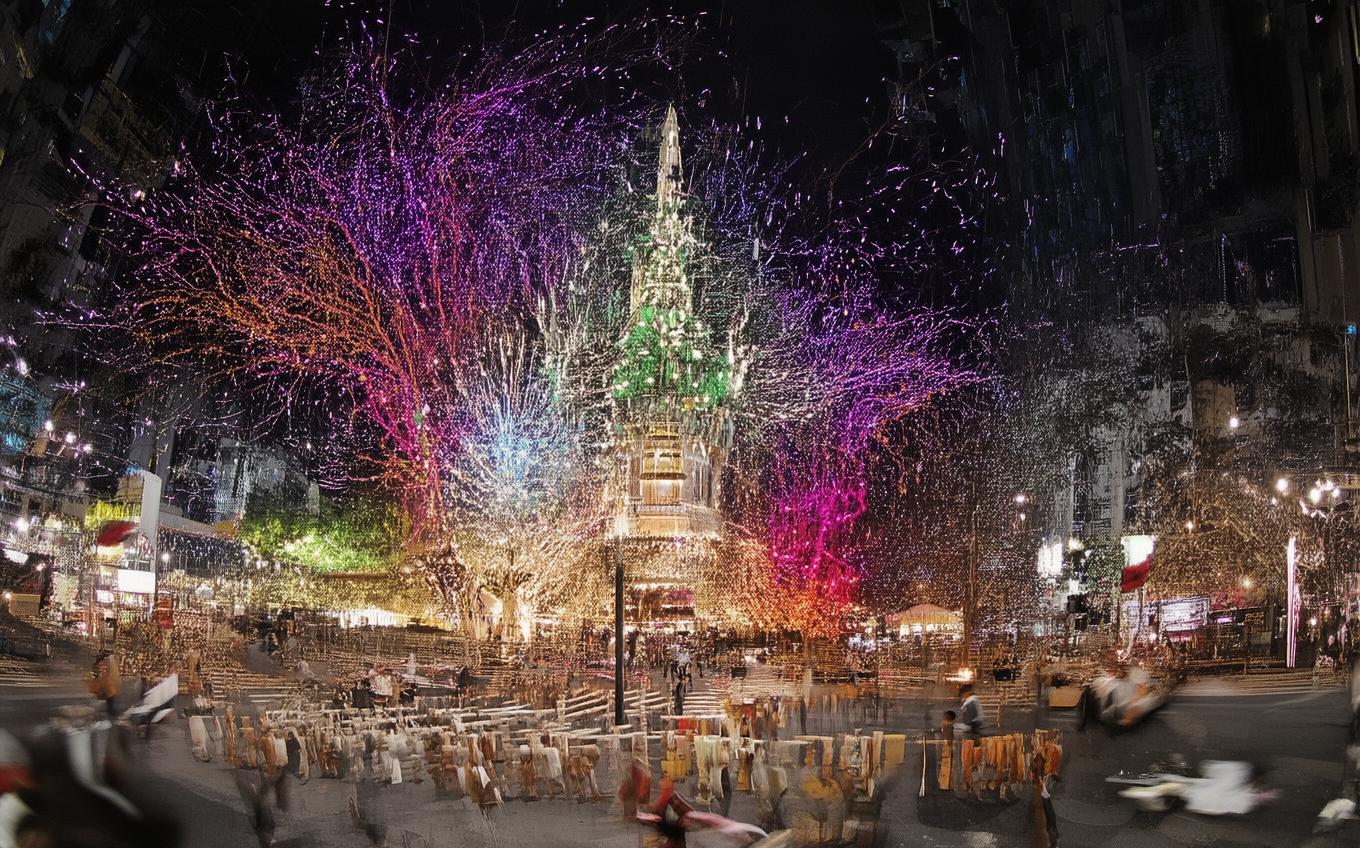
Introduction "贺新郎·夏景" (Hè Xīnláng·Xià Jǐng, "Congratulations to the Bridegroom · Summer Scenery")...
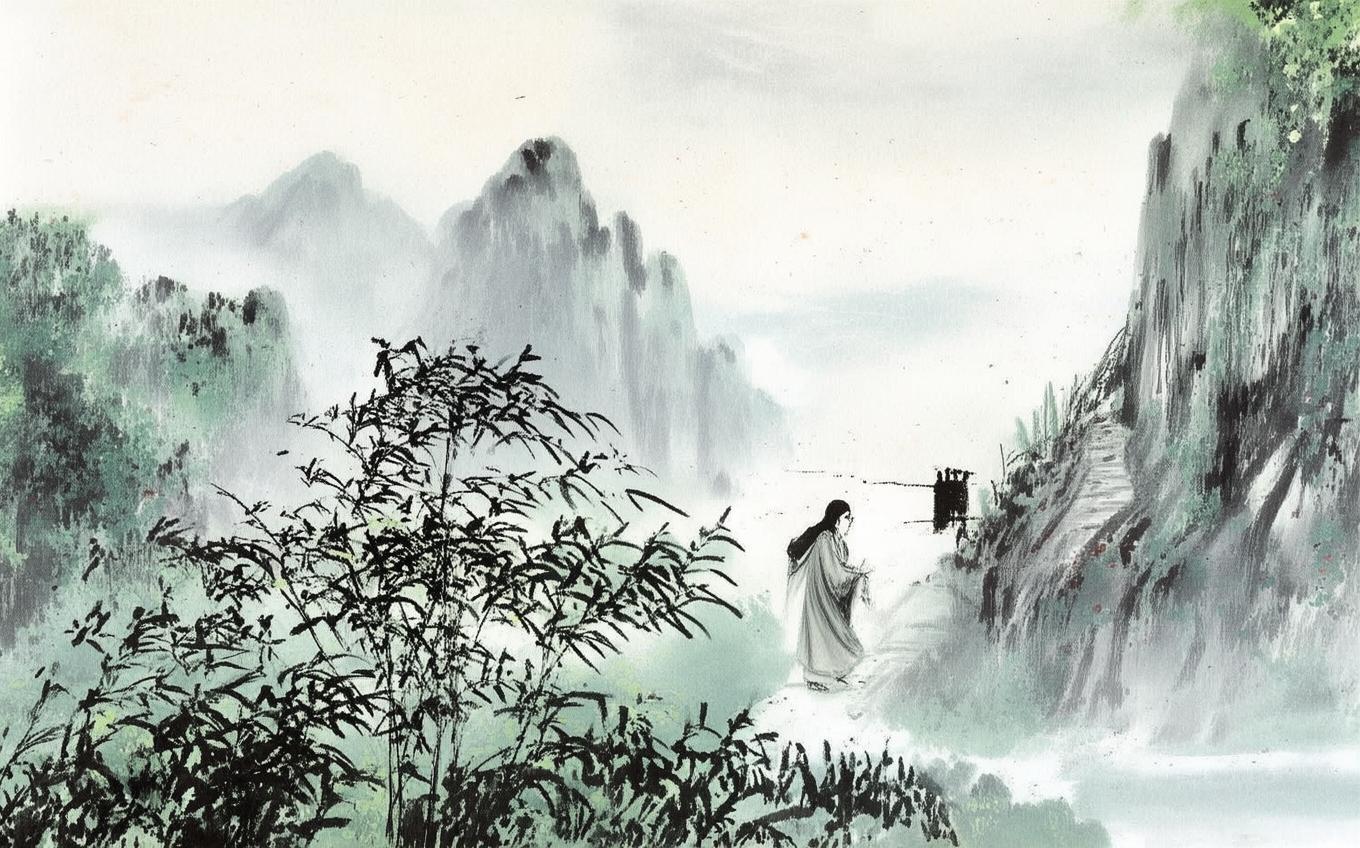
Introduction Wang Wei (王维, 701–761) was a renowned Tang Dynasty poet, painter, and musician, ofte...
Introduction The poem "玉壶吟" (Yù Hú Yín) is attributed to the renowned Tang Dynasty poet Wang Chan...

Introduction "侠客行" (Xiá Kè Xíng), or The Song of the Wandering Knight, is a famous poem by the Ta...