
Analysis of "春宫曲" - Classical Chinese Poetry
Introduction The poem "春宫曲" (Chūn Gōng Qǔ, "Spring Palace Song") is a famous work by the Tang Dyn...
Guided readings of classical Chinese poetry with original text, attribution, pinyin, English translation, line-by-line analysis, imagery, and historical context. New guides use stored source records so the poem text and author can be checked independently.
Introduction The poem "春宫曲" (Chūn Gōng Qǔ, "Spring Palace Song") is a famous work by the Tang Dyn...

Introduction Liu Yong (柳永, 987–1053) was a renowned poet of the Song Dynasty, famous for his lyri...

Introduction "望海潮" (Wàng Hǎi Cháo, Gazing at the Sea Tide) is a famous cí (词) poem by Liu Yong (柳...
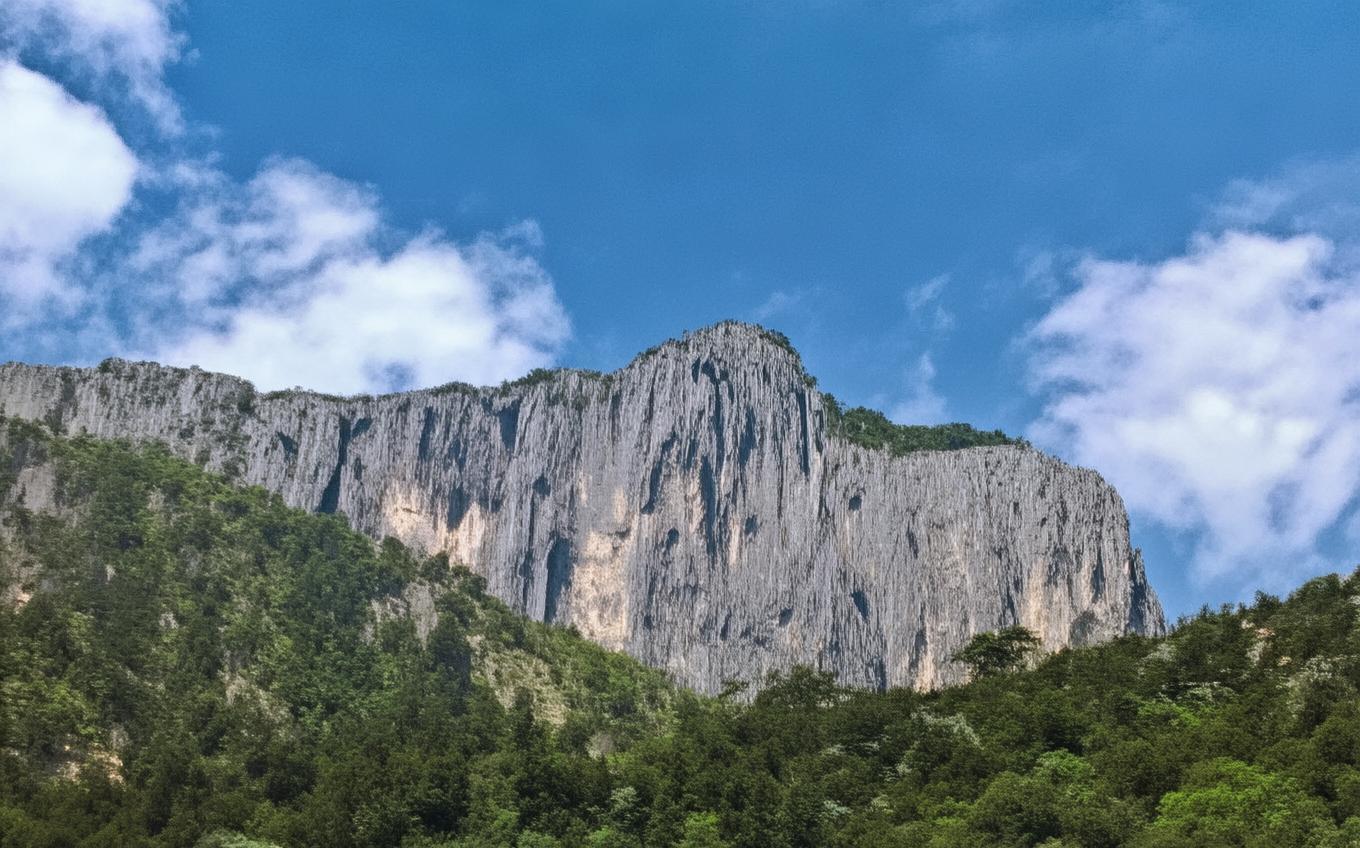
Introduction "晚晴" (Wǎn Qíng), meaning "Late Clearing" or "Evening Sunshine," is a celebrated poem...
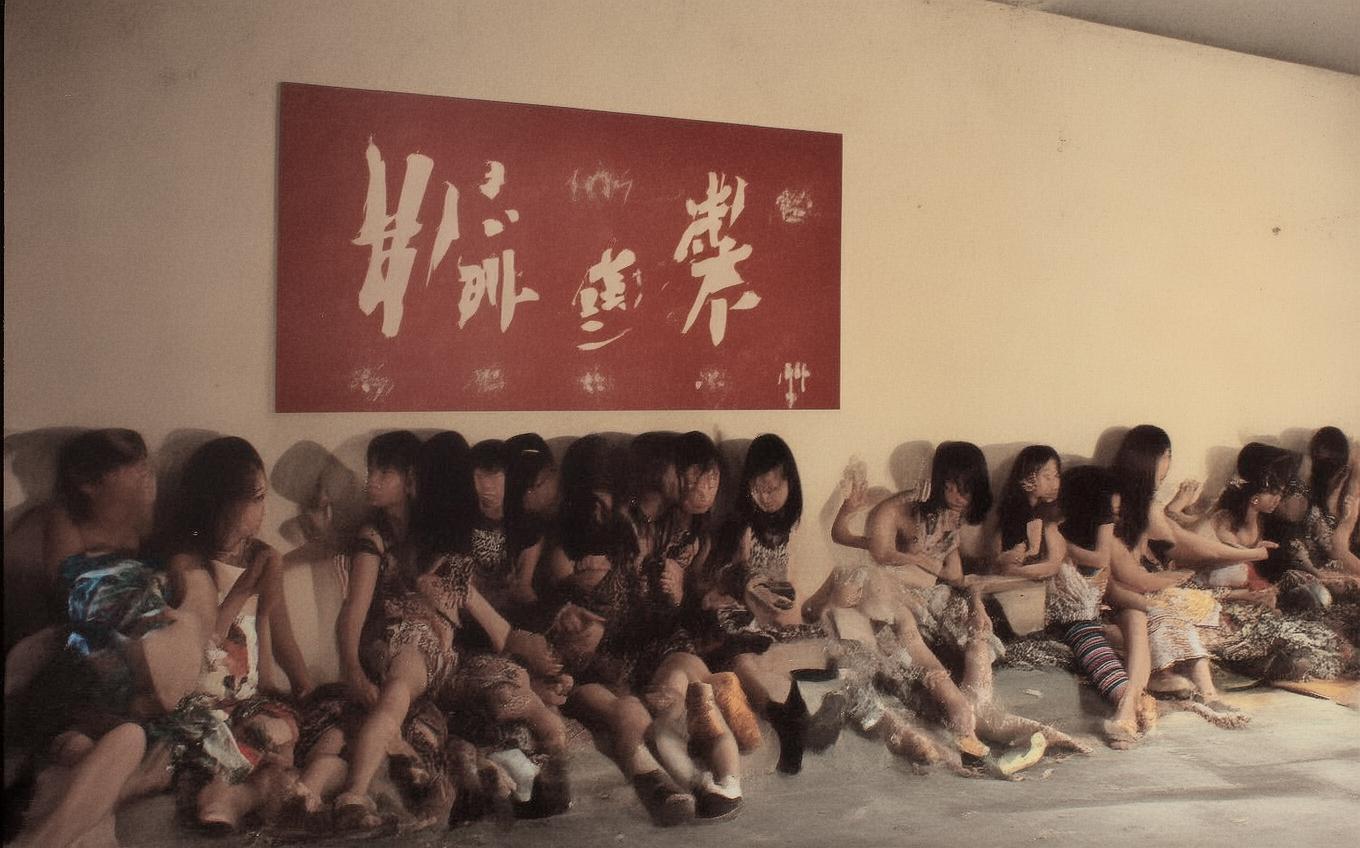
Introduction The "无题二首" (Wú Tí Èr Shǒu, "Two Untitled Poems") are among the most celebrated works...
Introduction The poem "为有" (Wèi Yǒu) is a famous jueju (绝句, quatrain) from the Tang Dynasty poet ...
Introduction The Sui Dyke (隋堤) refers to the grand canal system built during the Sui Dynasty (581...

Introduction The Yangliuzhi (杨柳枝), or "Willow Branches," is a classical Chinese poetic form that ...
Introduction The poem Xiāo Xiāng Shén (潇湘神) is part of a series of lyrical verses written by Liu ...
Introduction The "抛球乐" (Pāo Qiú Lè), or "Ball Tossing Joy," is a poetic form that originated duri...

Introduction The poem Huà Táng Chūn (画堂春) is a beautiful lyrical piece attributed to Qin Guan (秦观...
Introduction "阮郎归" (Ruǎn Láng Guī, "The Return of Ruan Lang") is a famous cí (词) poem from the So...