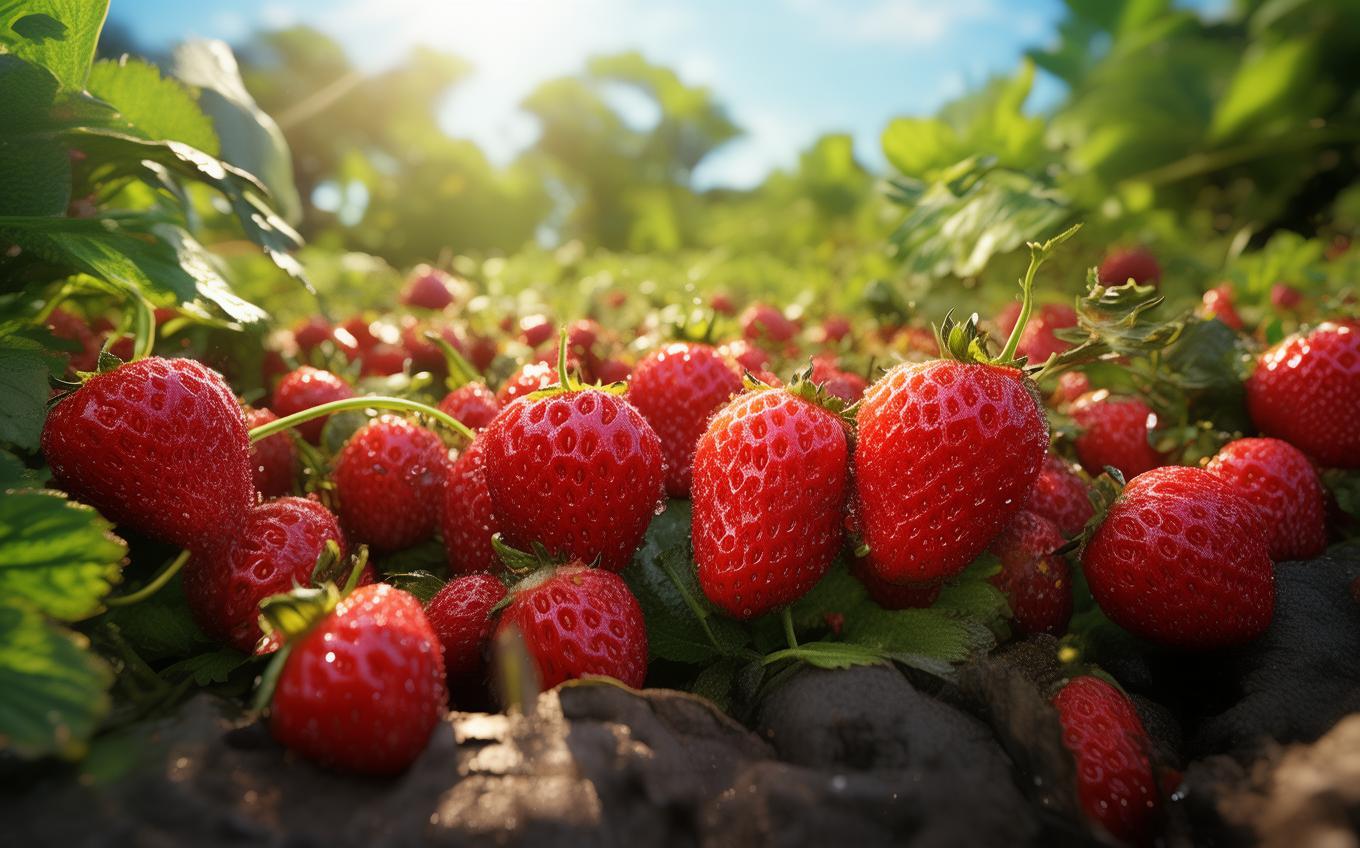
1. Basic Information
- Word: 草莓
- Pinyin: cǎo méi
- Literal Meaning: "grass berry" (草 cǎo = grass; 莓 méi = berry)
- Primary Meaning: strawberry (the fruit)
2. In-depth Explanation
- Context and Usage:
- 草莓 refers to the fruit "strawberry" and is commonly used in everyday conversation, cooking, and shopping contexts.
- It can also describe things that are strawberry-flavored (e.g., 草莓冰淇淋 - strawberry ice cream).
-
In slang, 草莓族 (cǎo méi zú) is a term used in Taiwan to describe young people perceived as fragile or unable to handle pressure (like a delicate strawberry).
-
Character Breakdown:
- 草 (cǎo) means "grass" or "straw," referring to the plant's appearance.
- 莓 (méi) means "berry," indicating its classification as a small, juicy fruit.
3. Example Sentences
-
Chinese: 我喜欢吃草莓。
Pinyin: Wǒ xǐhuān chī cǎo méi.
English: I like to eat strawberries. -
Chinese: 这个草莓蛋糕很甜。
Pinyin: Zhège cǎo méi dàngāo hěn tián.
English: This strawberry cake is very sweet. -
Chinese: 妈妈在超市买了一盒草莓。
Pinyin: Māma zài chāoshì mǎi le yī hé cǎo méi.
English: Mom bought a box of strawberries at the supermarket.
Cultural Notes
- Strawberries are a popular fruit in China, especially during spring when they are in season.
- In some regions, strawberry-picking farms (草莓园, cǎo méi yuán) are a popular family activity.
- The term 草莓族 (strawberry generation) reflects societal discussions about generational differences in resilience.
Conclusion
草莓 (cǎo méi) means "strawberry" and is a common and delicious fruit in Chinese culture. Remember the characters 草 (grass) and 莓 (berry) to help you recall the word easily!
Sources and Further Reading
Dictionary links are provided for independent reference. Example sentences and learning notes on this page are educational explanations rather than dictionary quotations.



Comments (0)
No comments yet. Be the first to comment!