1. Basic Information
- Word: 米饭
- Pinyin: mǐ fàn
- Literal Meaning: "rice" (米) + "meal" (饭)
- Primary Meaning: Cooked rice (a staple food in Chinese cuisine).
2. In-depth Explanation
Context and Usage
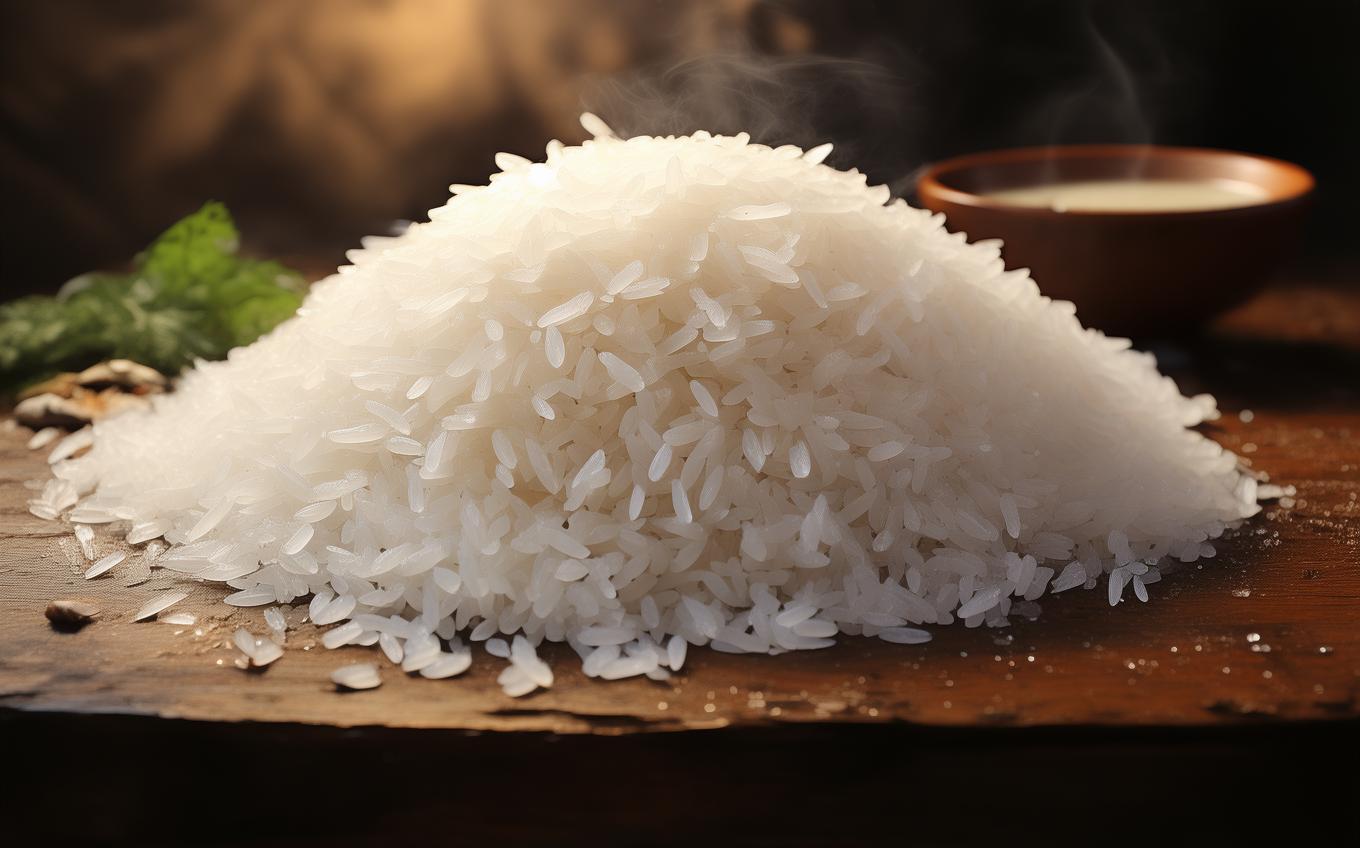
"米饭" refers specifically to cooked white rice, which is a fundamental part of meals in China and many other Asian countries. It is the default term for plain steamed rice served as a side dish or base for other dishes. Unlike "rice" in English, which can refer to both uncooked grains and cooked rice, "米饭" always means the cooked form.
Character Breakdown
- 米 (mǐ): Means "rice" (the grain itself) or "meter" (in measurements, but here it refers to rice).
- 饭 (fàn): Means "meal" or "cooked rice." Together, "米饭" emphasizes the cooked, edible form of rice.
3. Example Sentences
-
Chinese: 我每天吃米饭。
Pinyin: Wǒ měi tiān chī mǐ fàn.
English: I eat rice every day. -
Chinese: 这碗米饭很香。
Pinyin: Zhè wǎn mǐ fàn hěn xiāng.
English: This bowl of rice is very fragrant. -
Chinese: 你喜欢吃米饭还是面条?
Pinyin: Nǐ xǐ huān chī mǐ fàn hái shì miàn tiáo?
English: Do you prefer eating rice or noodles?
Cultural Notes
Rice is a cornerstone of Chinese cuisine, especially in southern China where it is eaten at almost every meal. In northern China, wheat-based foods like noodles and bread are more common, but rice is still widely consumed. Serving rice separately from dishes (unlike fried rice or rice-based meals) is typical in home cooking and restaurants.
Conclusion
"米饭" (mǐ fàn) is the essential term for cooked rice in Chinese. Remember it as the everyday staple food, and use it when referring to plain steamed rice served with meals. Practice the example sentences to get comfortable using it in conversations!
Sources and Further Reading
Dictionary links are provided for independent reference. Example sentences and learning notes on this page are educational explanations rather than dictionary quotations.

Comments (0)
No comments yet. Be the first to comment!