1. Basic Information
- Word: 做饭
- Pinyin: zuò fàn
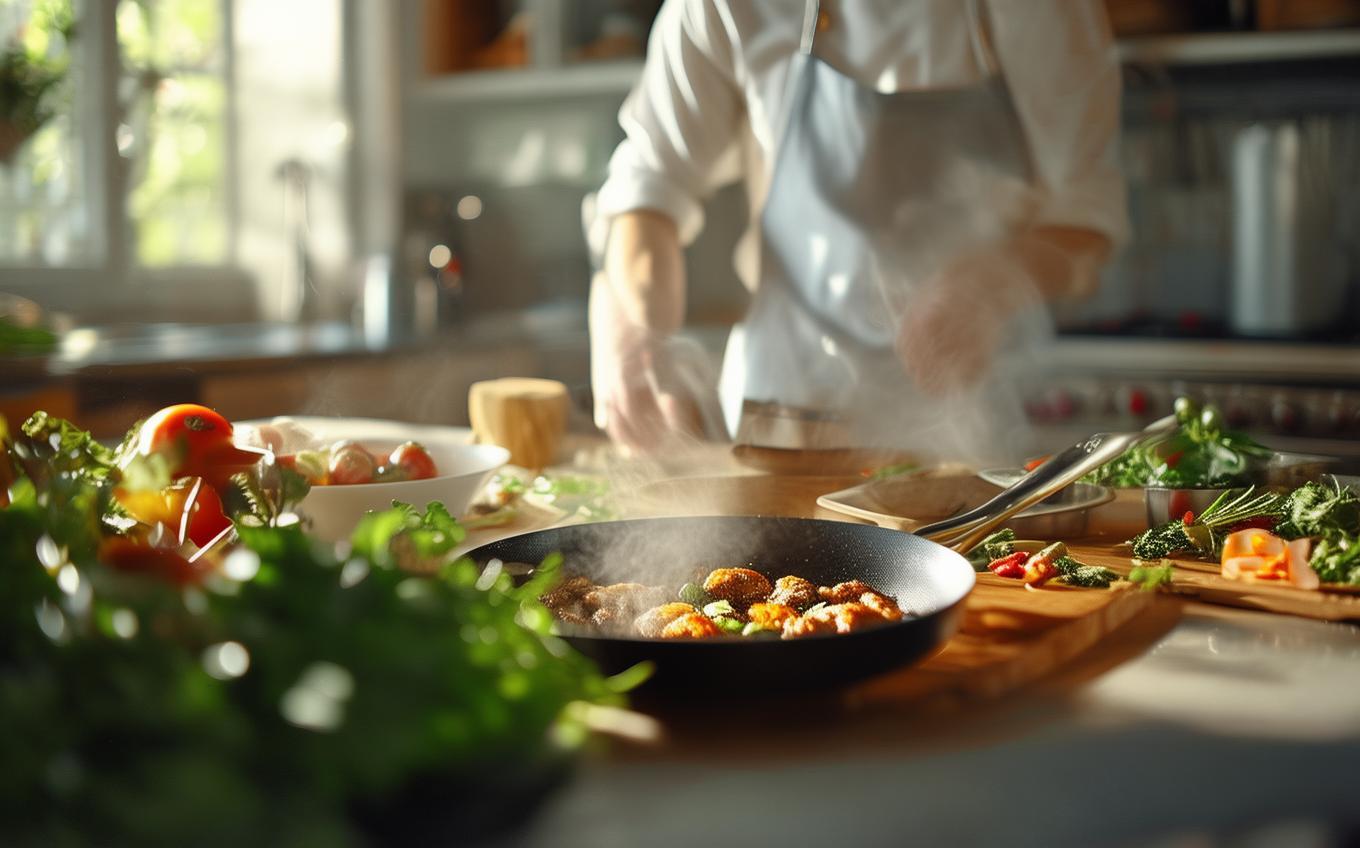
- Literal Meaning: "做" means "to do/make," and "饭" means "rice/meal." Together, they literally mean "to make a meal."
- Primary Meaning: The term refers to the act of cooking or preparing a meal.
2. In-depth Explanation
- Context and Usage:
- "做饭" is a common daily activity and is used in casual and formal contexts to describe cooking at home or elsewhere.
- It emphasizes the process of preparing food, not just the result. For example, you can say "我喜欢做饭" (I like cooking) to express a hobby.
-
Unlike "烹饪" (pēng rèn), which is more formal and often used for professional cooking, "做饭" is everyday language.
-
Character Breakdown:
- 做 (zuò): Means "to do" or "to make." It’s a versatile verb used in many phrases.
- 饭 (fàn): Means "rice" or "meal." In Chinese culture, rice is a staple, so "饭" often represents a full meal.
3. Example Sentences
-
Chinese: 我妈妈每天做饭。
Pinyin: Wǒ māma měi tiān zuò fàn.
English: My mom cooks every day. -
Chinese: 你会做饭吗?
Pinyin: Nǐ huì zuò fàn ma?
English: Can you cook? -
Chinese: 我们一起做饭吧!
Pinyin: Wǒmen yīqǐ zuò fàn ba!
English: Let’s cook together!
Cultural Notes
- In Chinese culture, "做饭" is often associated with family bonding. Many families value home-cooked meals as a way to show care and maintain traditions.
- It’s common for elders to ask younger generations if they can "做饭" as a way to gauge their life skills.
Conclusion
"做饭" (zuò fàn) is a practical and essential word meaning "to cook" or "prepare a meal." It’s used daily and reflects the importance of food and family in Chinese culture. Remember: 做 = make, 饭 = meal!
Sources and Further Reading
Dictionary links are provided for independent reference. Example sentences and learning notes on this page are educational explanations rather than dictionary quotations.

Comments (0)
No comments yet. Be the first to comment!