1. Basic Information
- Word: 饱
- Pinyin: bǎo
- Literal Meaning: "full" (in the context of eating)
- Primary Meaning: To be full or satisfied after eating; to have eaten enough.
2. In-depth Explanation
Context and Usage
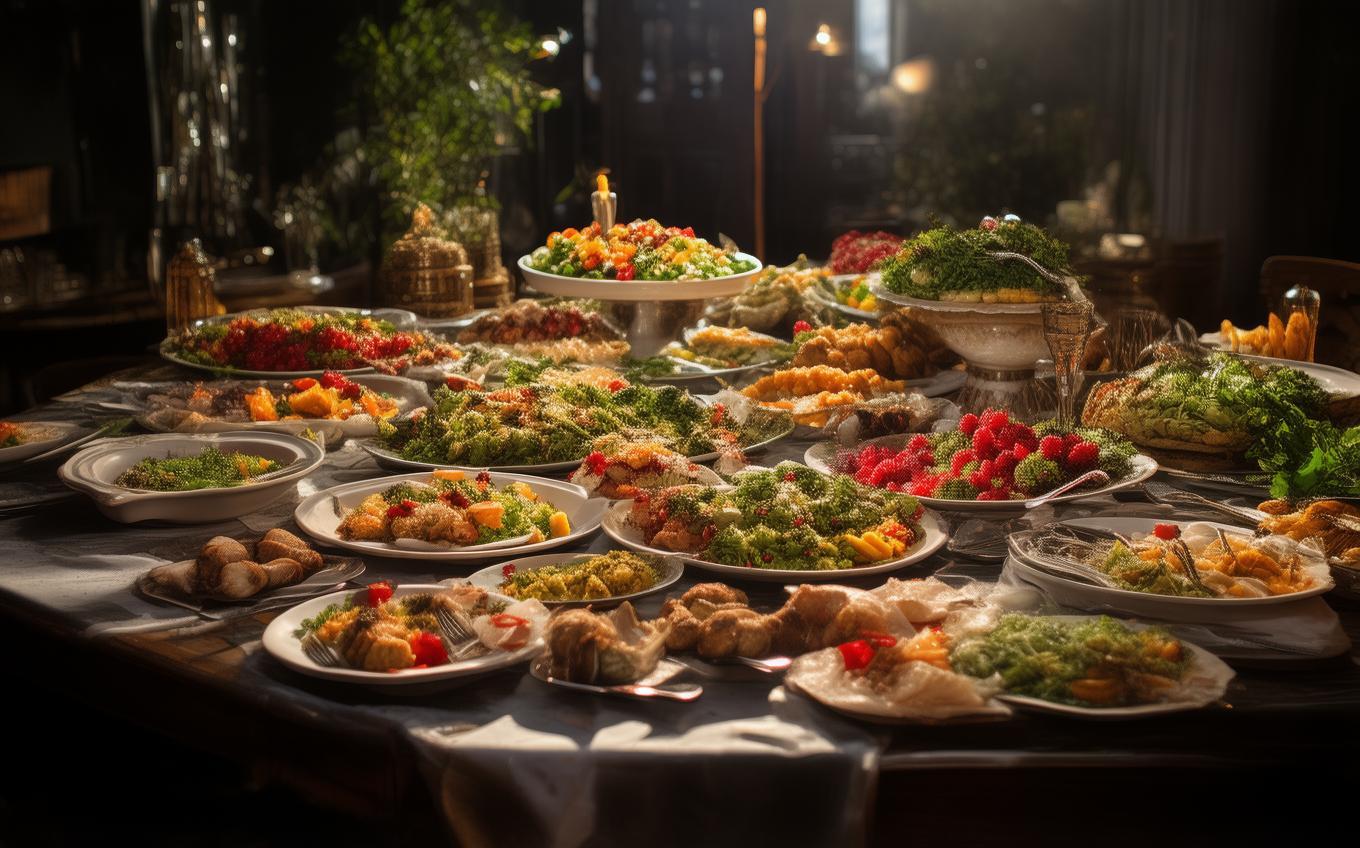
The word "饱" (bǎo) is most commonly used to describe the physical state of being full after a meal. It can also imply satisfaction or contentment related to food. Unlike in English, where "full" can describe a range of things (e.g., a full room, a full schedule), "饱" is primarily used for eating.
It often appears in phrases like:
- 吃饱 (chī bǎo) – "to eat until full"
- 饱了 (bǎo le) – "I'm full" (commonly said after a meal)
Character Breakdown
"饱" is a single-character word, but it can be broken down into its components:
- 饣 (shí) – The "food" radical, indicating its relation to eating.
- 包 (bāo) – A phonetic component that also carries the meaning of "to wrap" or "to contain," suggesting the idea of being filled.
3. Example Sentences
-
Chinese: 我吃饱了。
Pinyin: Wǒ chī bǎo le.
English: I’m full (I’ve eaten enough). -
Chinese: 这顿饭让我很饱。
Pinyin: Zhè dùn fàn ràng wǒ hěn bǎo.
English: This meal made me very full. -
Chinese: 不要吃太饱,对身体不好。
Pinyin: Bùyào chī tài bǎo, duì shēntǐ bù hǎo.
English: Don’t eat too much; it’s not good for your health.
Cultural Notes
In Chinese culture, expressing that you are "饱" (full) after a meal is a polite way to decline more food, especially when dining at someone’s home. Hosts often encourage guests to eat more as a sign of hospitality, so saying "饱了" (bǎo le) is a respectful way to signal satisfaction without offending the host.
Additionally, traditional Chinese medicine emphasizes moderation in eating, so the concept of being "饱" (but not overly full) is tied to health and balance.
Conclusion
"饱" (bǎo) is a simple yet essential word for describing the feeling of being full after eating. Remember its common usage in phrases like "吃饱" and "饱了," and use it to politely indicate satisfaction during meals. Mastering this word will help you navigate dining situations in Chinese-speaking cultures with ease!
Sources and Further Reading
Dictionary links are provided for independent reference. Example sentences and learning notes on this page are educational explanations rather than dictionary quotations.



Comments (0)
No comments yet. Be the first to comment!