1. Basic Information
- Word: 蔬菜
- Pinyin: shū cài
- Literal Meaning: "Vegetable greens"
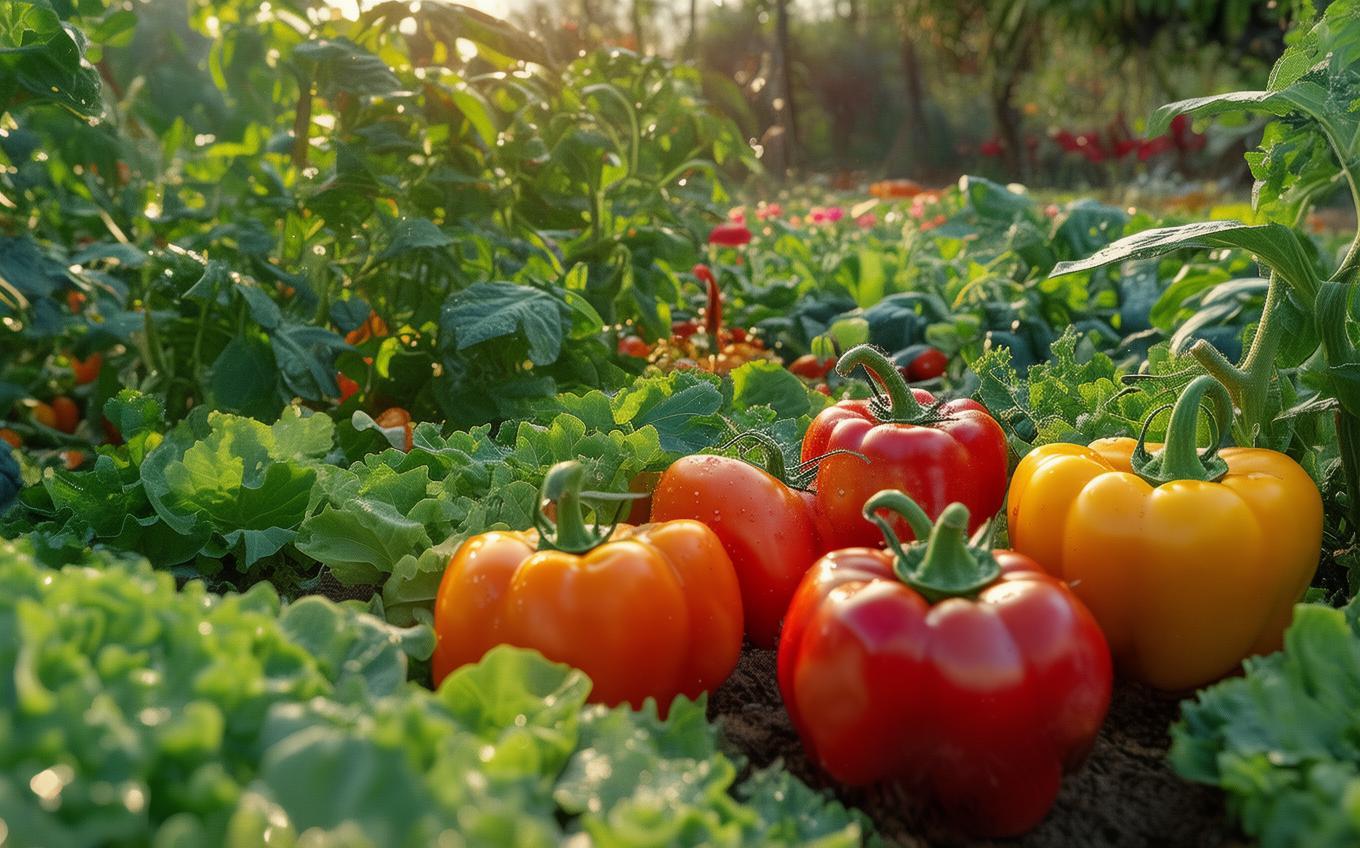
- Primary Meaning: Vegetables (edible plants or parts of plants, typically consumed as part of a meal)
2. In-depth Explanation
Context and Usage
The word 蔬菜 (shū cài) is a general term for vegetables in Chinese. It is used in both formal and informal contexts, such as in cooking, grocery shopping, or discussing healthy eating habits. Unlike English, where "vegetables" is a broad category, 蔬菜 specifically refers to leafy greens and other plant-based foods eaten as part of a meal. It does not include grains, fruits, or legumes, which have their own terms (e.g., 水果 for fruits, 豆类 for legumes).
Character Breakdown
- 蔬 (shū): Refers to edible greens or vegetables.
- 菜 (cài): Means "vegetables" or "dishes" (when referring to food in general). Together, 蔬菜 emphasizes the plant-based, leafy aspect of vegetables.
3. Example Sentences
-
Chinese: 我每天吃很多蔬菜。
Pinyin: Wǒ měi tiān chī hěn duō shū cài.
English: I eat a lot of vegetables every day. -
Chinese: 这个市场有新鲜的蔬菜。
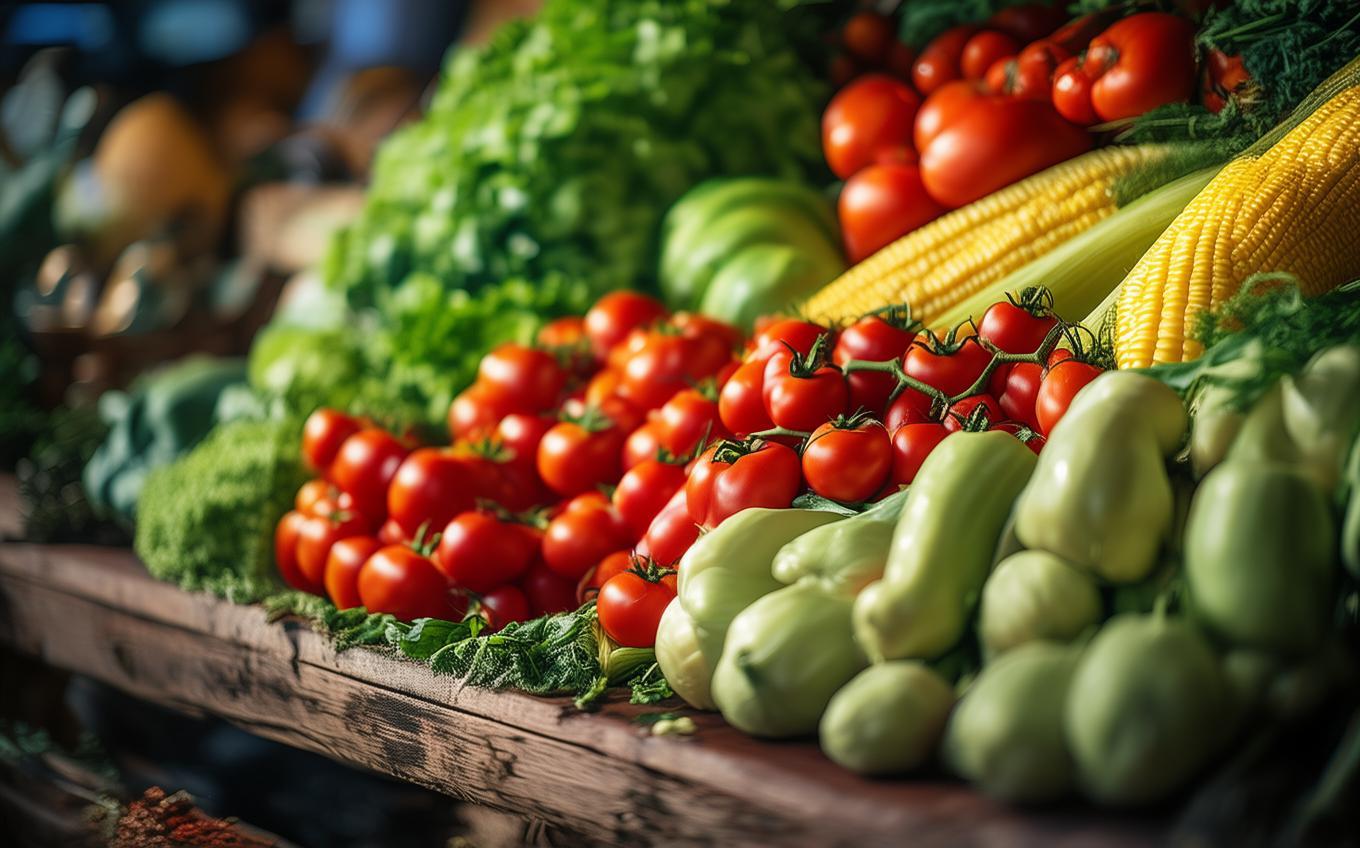
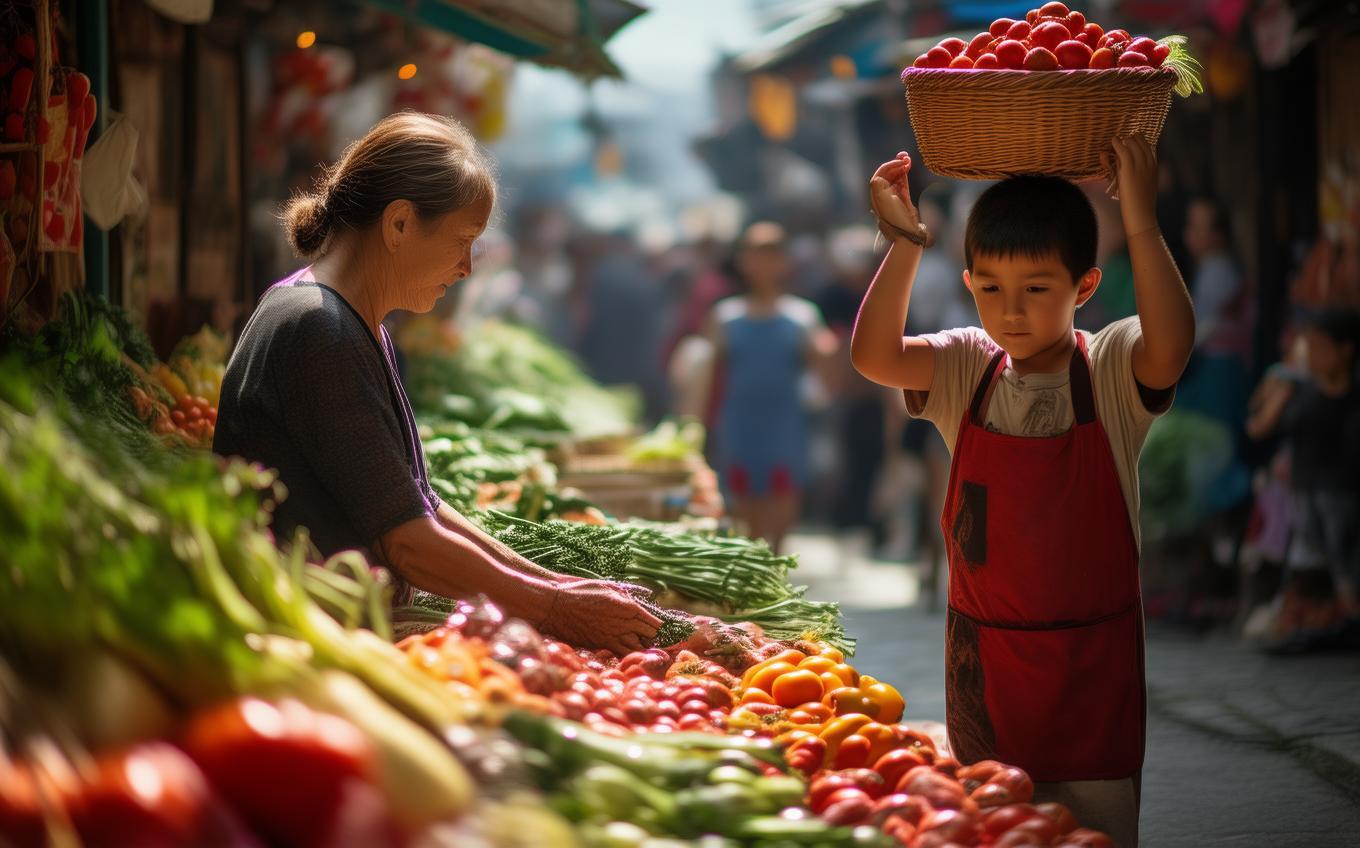
Pinyin: Zhè gè shì chǎng yǒu xīn xiān de shū cài.
English: This market has fresh vegetables. -
Chinese: 妈妈喜欢用蔬菜做汤。
Pinyin: Māma xǐ huān yòng shū cài zuò tāng.
English: Mom likes to use vegetables to make soup.
Cultural Notes
In Chinese cuisine, 蔬菜 plays a vital role in balancing meals. Traditional Chinese dietary principles emphasize the importance of vegetables for health and harmony in dishes. Stir-frying, steaming, and boiling are common cooking methods. Some popular Chinese vegetables include bok choy (白菜), spinach (菠菜), and Chinese broccoli (芥兰).
Conclusion
蔬菜 (shū cài) is the go-to word for "vegetables" in Chinese. Remembering its characters (蔬 for greens and 菜 for vegetables) can help you recognize it in menus or grocery stores. Incorporate it into your daily vocabulary to discuss healthy eating or cooking in Chinese!
Sources and Further Reading
Dictionary links are provided for independent reference. Example sentences and learning notes on this page are educational explanations rather than dictionary quotations.

Comments (0)
No comments yet. Be the first to comment!