1. Basic Information
- Word: 买菜
- Pinyin: mǎi cài
- Literal Meaning: "Buy vegetables"
- Primary Meaning: To go grocery shopping, specifically for fresh produce like vegetables, meat, or other daily food items.
2. In-depth Explanation
Context and Usage
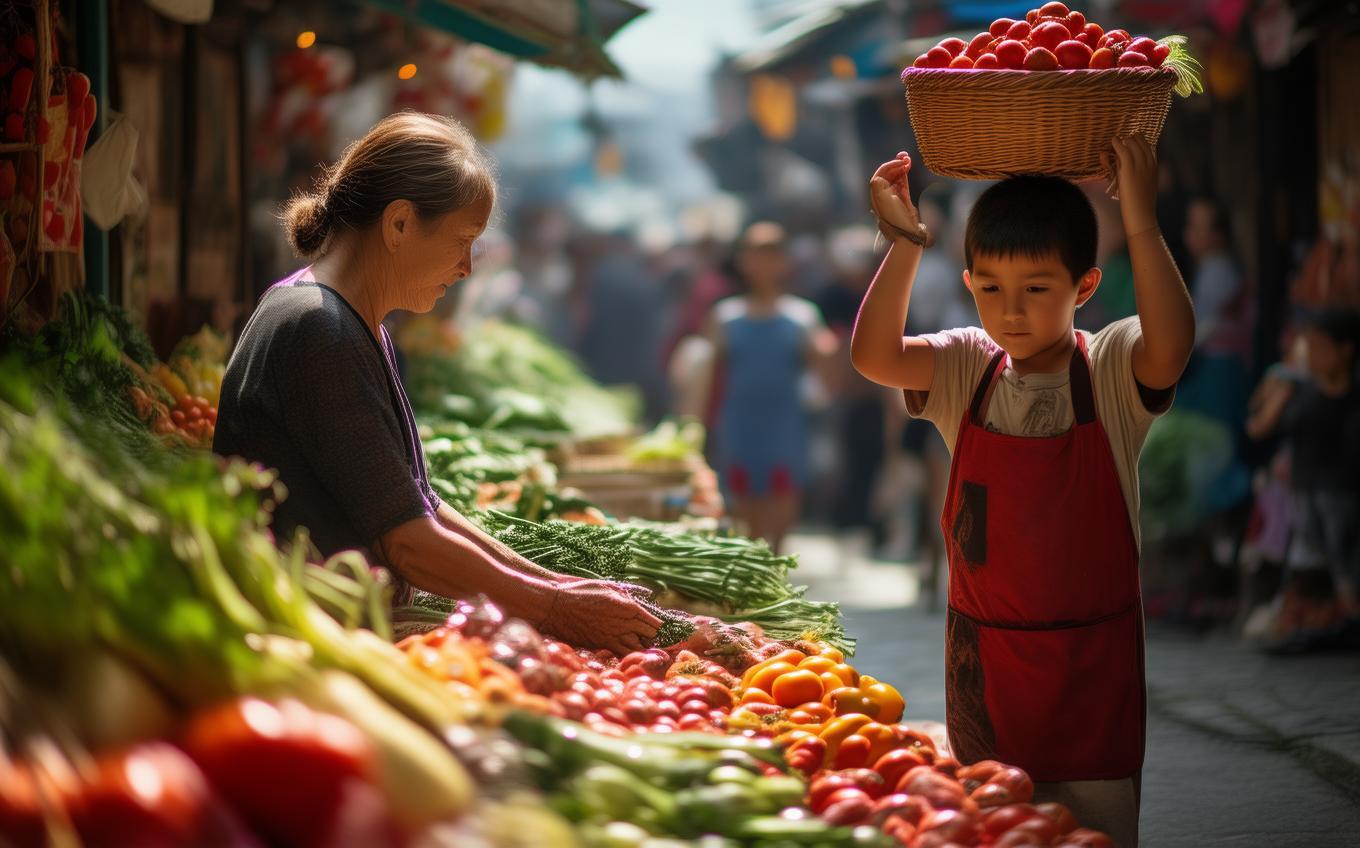
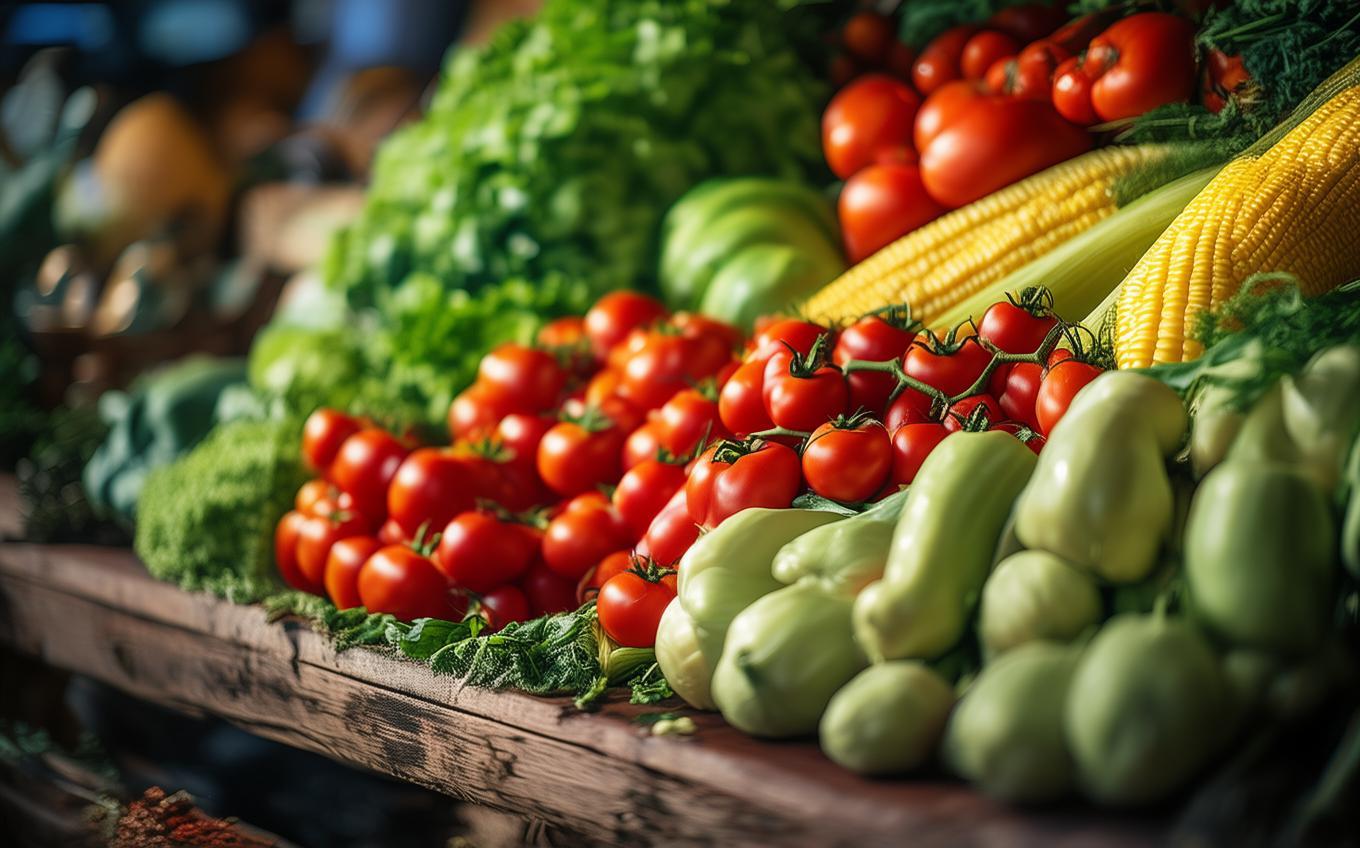
"买菜" is a common daily activity in Chinese culture, referring to the act of purchasing fresh ingredients, often from markets or grocery stores. It is typically used in casual conversations about household chores or meal preparation. While the literal translation is "buy vegetables," it can also imply buying other groceries like meat, tofu, or fruits, depending on the context.
Character Breakdown
- 买 (mǎi): Means "to buy" or "to purchase."
- 菜 (cài): Primarily means "vegetables," but can also refer to "dishes" or "food" in a broader sense.
Together, "买菜" emphasizes the action of buying fresh food, often for home cooking.
3. Example Sentences
-
Chinese: 我妈妈每天早上去市场买菜。
Pinyin: Wǒ māmā měi tiān zǎoshang qù shìchǎng mǎi cài.
English: My mom goes to the market to buy groceries every morning. -
Chinese: 今天下班后,我要去买菜。
Pinyin: Jīntiān xiàbān hòu, wǒ yào qù mǎi cài.
English: After work today, I need to go grocery shopping. -
Chinese: 他不太会做饭,所以很少买菜。
Pinyin: Tā bù tài huì zuòfàn, suǒyǐ hěn shǎo mǎi cài.
English: He doesn’t cook much, so he rarely buys groceries.
Cultural Notes
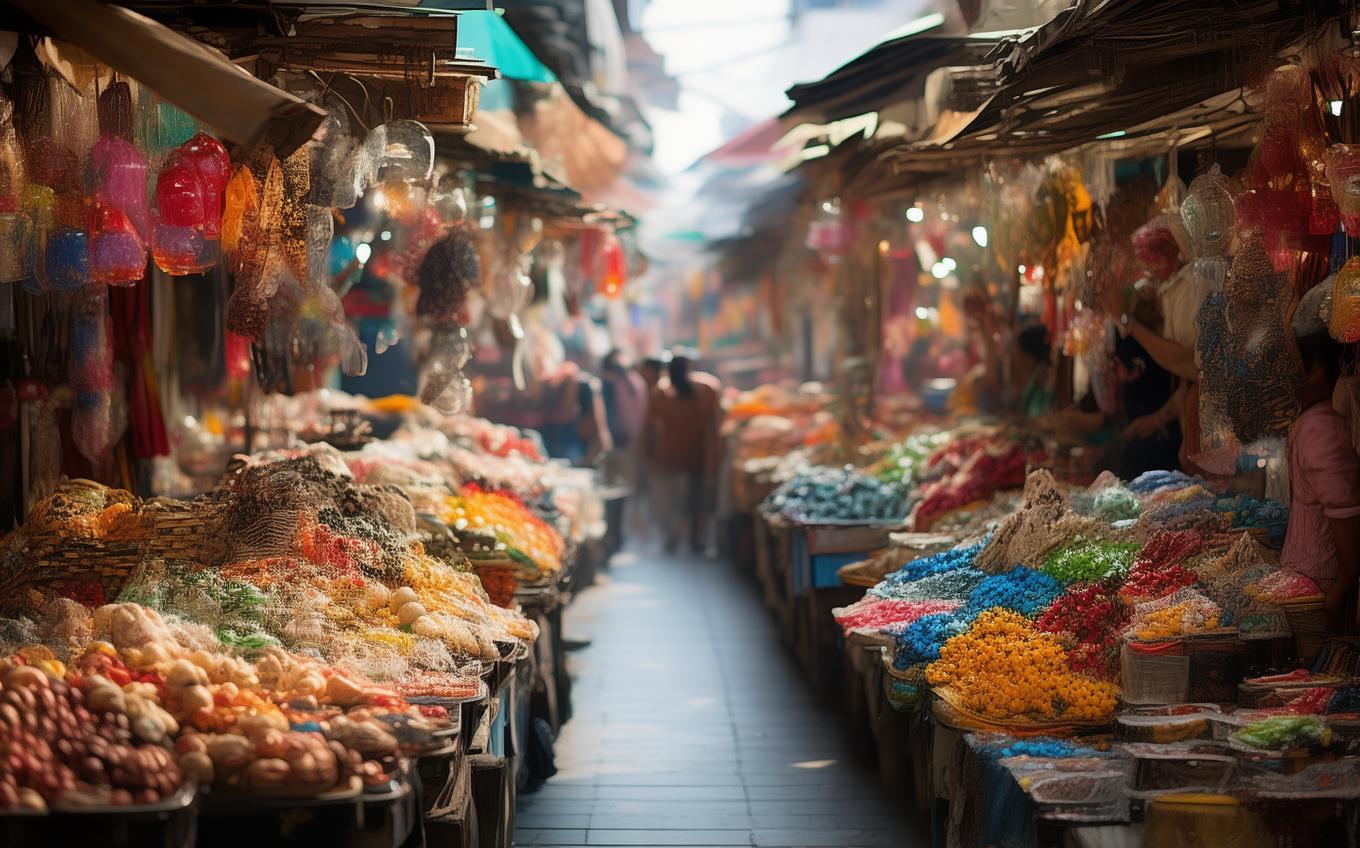
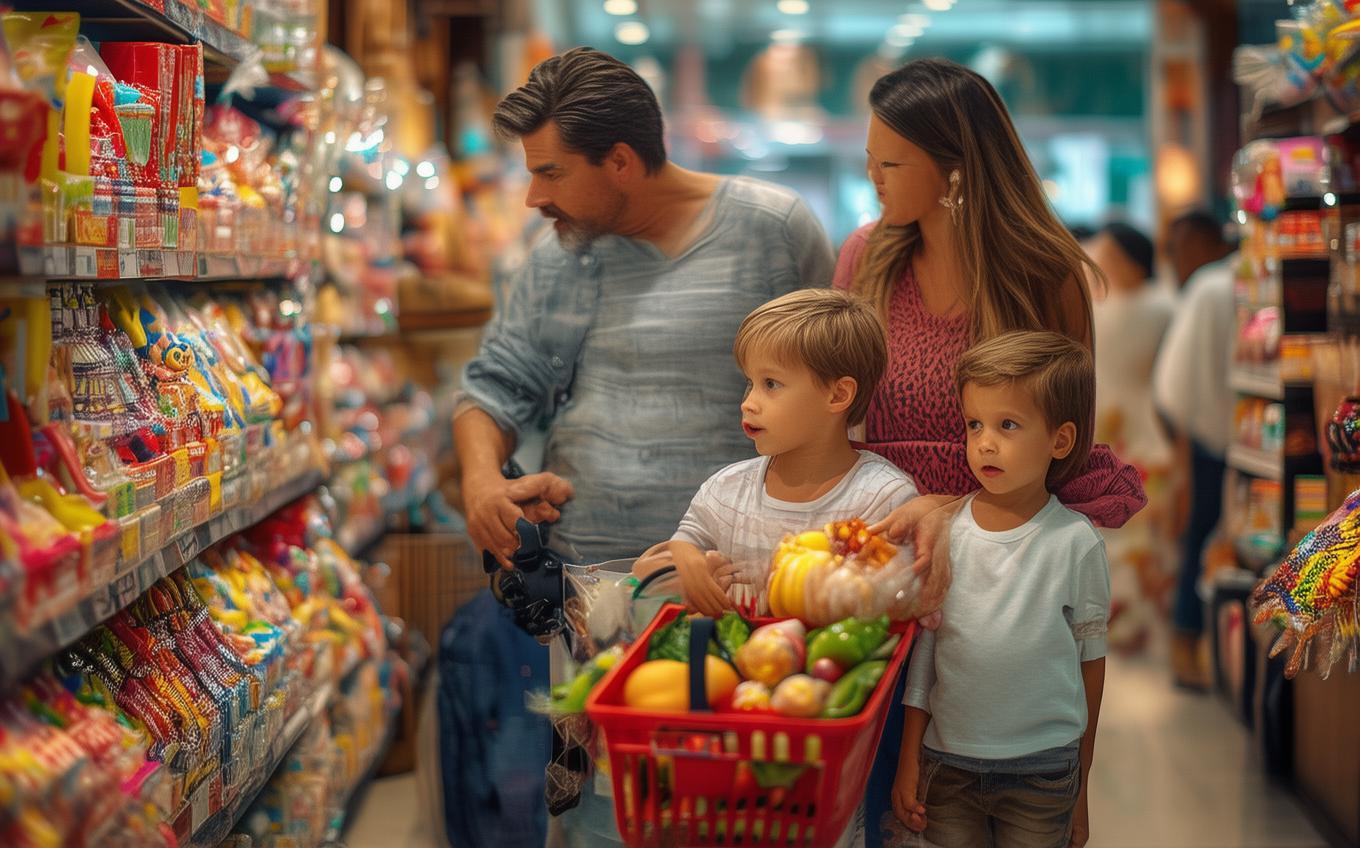
In China, "买菜" is often associated with traditional wet markets (菜市场, càishìchǎng), where vendors sell fresh produce, meat, and seafood. Many people prefer these markets for their affordability and freshness, though supermarkets are also popular. Bargaining is common in some markets, especially in smaller cities or rural areas. The habit of buying fresh ingredients daily reflects the cultural emphasis on eating freshly prepared meals.
Conclusion
"买菜" (mǎi cài) is a practical and frequently used term meaning "to buy groceries," especially fresh produce. It’s an essential part of daily life in Chinese-speaking communities, reflecting cultural values around food and home cooking. Remember it as "buying food for meals," and you’ll find it useful in everyday conversations!
Sources and Further Reading
Dictionary links are provided for independent reference. Example sentences and learning notes on this page are educational explanations rather than dictionary quotations.
Comments (0)
No comments yet. Be the first to comment!