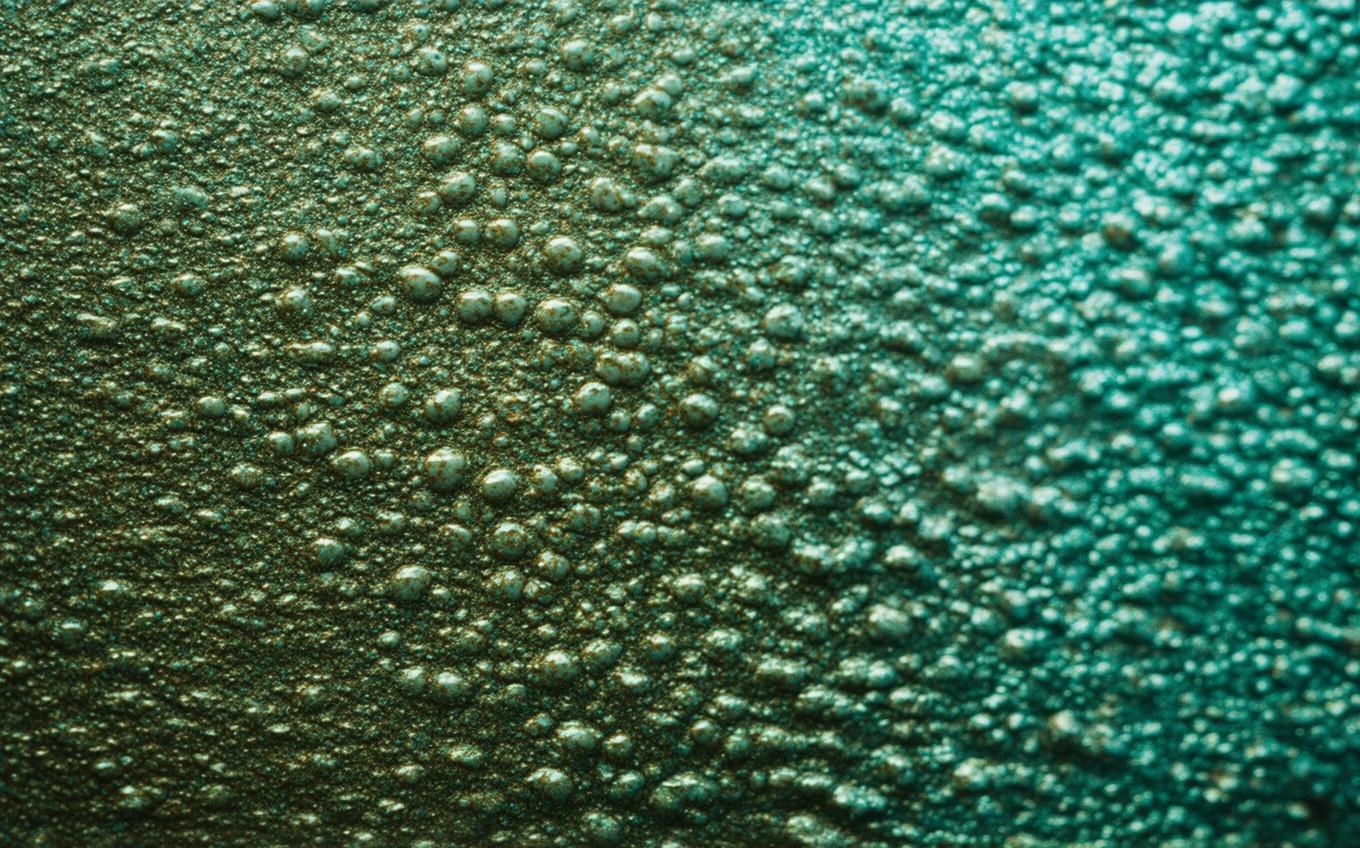
Understanding "表面" - Chinese Word Explanation
1. Basic Information
- Word: 表面
- Pinyin: biǎo miàn
- Literal Meaning: exterior/surface + face/side → "surface face"
- Primary Meaning: surface, outward appearance, superficial aspect
2. In-depth Explanation
-
Context and Usage:
The word 表面 can be used both for physical surfaces (like the surface of a table, water, or the earth) and for abstract, metaphorical surfaces (like the outward appearance of a person, situation, or thing). It often carries a nuance of "what is on the outside" as opposed to the inner reality or essence. When talking about people or behavior, 表面 can imply superficiality or a facade. For example, someone might appear kind 表面, but be unkind deep down. It is commonly contrasted with words like 内在 (inner, internal) or 实质 (essence, substance). The preposition 在…上 (on) is frequently used: 在表面上 means "on the surface." -
Character Breakdown:
- 表 (biǎo): This character originally referred to a fur coat worn with the fur on the outside, thus coming to mean "exterior," "surface," or "to express/show." It often relates to outward manifestation.
- 面 (miàn): This means "face," "side," or "surface." It’s a very common character referring to a physical face, a side of an object, or an aspect. Together, 表面 literally gives the idea of the "face that is shown" or the "outer side."
3. Example Sentences
-
Chinese: 桌子的表面很光滑。
Pinyin: Zhuōzi de biǎomiàn hěn guānghuá.
English: The surface of the table is very smooth. -
Chinese: 他表面上很冷静,其实心里很紧张。
Pinyin: Tā biǎomiàn shang hěn lěngjìng, qíshí xīnli hěn jǐnzhāng.
English: On the surface he is very calm, but actually he is very nervous inside. -
Chinese: 不要只看事情的表面,要深入理解。
Pinyin: Bùyào zhǐ kàn shìqing de biǎomiàn, yào shēnrù lǐjiě.
English: Don’t just look at the surface of things; you need to understand them deeply.
Cultural Notes
In Chinese communication, there is often an awareness of the difference between outward appearance (表面) and inner truth. The idiom 表面文章 (biǎomiàn wénzhāng) literally means "surface essay" and refers to something done just for show, a facade or cosmetic effort without substance. This reflects a cultural value that genuine quality is more important than mere appearance. In traditional Chinese philosophy, harmony in social interactions sometimes leads people to maintain a polite 表面 even when real feelings differ, a concept related to "face" (面子, miànzi).
Conclusion
To remember 表面 (biǎomiàn), think "the outer face" – it can be the physical surface of an object, or the superficial appearance of a situation. Always be aware that what you see on the 表面 may not be the whole story.
Sources and Further Reading
Dictionary links are provided for independent reference. Example sentences and learning notes on this page are educational explanations rather than dictionary quotations.


Comments (0)
No comments yet. Be the first to comment!