
1. Basic Information
- Word: 奔跑
- Pinyin: bēnpǎo
- Literal Meaning: rush/run + run
(奔 = to dash, rush; 跑 = to run) - Primary Meaning: to run rapidly, to sprint, to dash; running at high speed, usually with energy and purpose.
2. In-depth Explanation
- Context and Usage
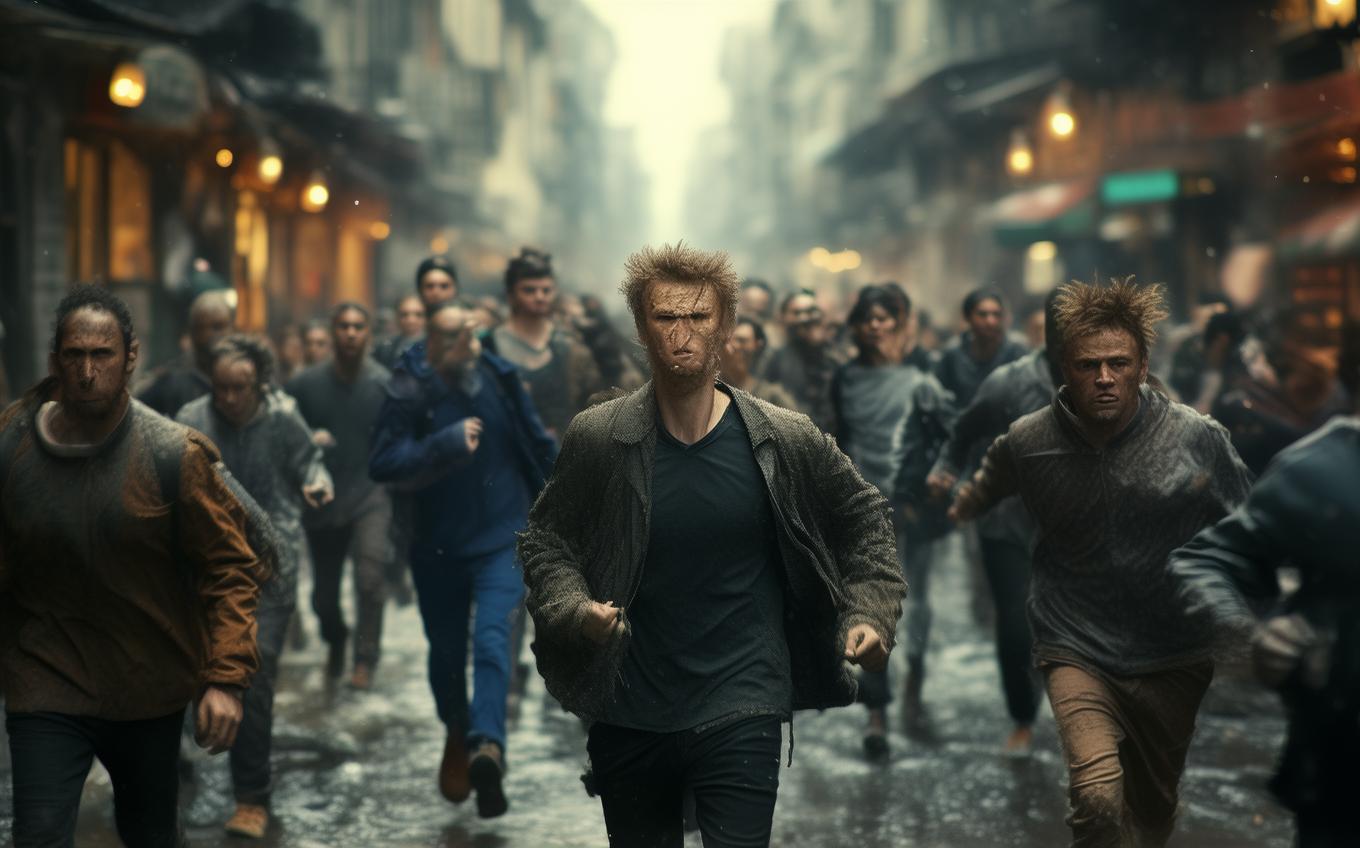
The word 奔跑 is a vivid verb that describes running with speed, energy, and often urgency or enthusiasm. It’s not just any kind of running — it implies a dynamic, vigorous movement, sometimes for a goal or simply from a burst of vitality. You can use it for: - Sports and exercise: describing athletes sprinting or running fast.
- Animals: wild animals galloping or dashing across a field.
- Figurative meanings: pursuing a dream or striving hard, like “running toward your dreams.”
- Narrative style: it appears commonly in written Chinese, storytelling, and poetic descriptions. In everyday speech, you might hear just 跑 (pǎo), but 奔跑 adds intensity and a literary touch.
Nuances:
- 奔跑 often carries a positive, lively connotation — freedom, power, and forward movement.
- It can be used in serious contexts, like running for one’s life, but even then the word emphasizes the fast, determined movement.
- In contrast to 跑步 (pǎobù) which means “jogging” or “running as exercise,” 奔跑 stresses speed and the act of dashing, not the routine or sport.
- Character Breakdown
- 奔 (bēn): This character originally depicted a person swinging their arms and moving quickly, meaning “to rush, dash, or gallop.” It suggests vigorous forward motion. When used alone, it can also mean “to run quickly” or “to hurry.”
- 跑 (pǎo): A common verb for “to run.” It is the everyday word for running, whether for exercise, catching a bus, or moving quickly on foot.
Together, 奔跑 combines the force of “dashing” with the action of “running,” creating a compound that emphasizes fast, energetic running.
3. Example Sentences
-
Chinese: 孩子们在草地上快乐地奔跑。
Pinyin: Háizi men zài cǎodì shàng kuàilè de bēnpǎo.
English: The children are happily running on the grass. -
Chinese: 羚羊在草原上自由地奔跑。
Pinyin: Língyáng zài cǎoyuán shàng zìyóu de bēnpǎo.
English: The antelopes run freely across the grassland. -
Chinese: 他为了梦想不停地奔跑。
Pinyin: Tā wèile mèngxiǎng bù tíng de bēnpǎo.
English: He keeps running nonstop for his dream. (Figurative: He relentlessly pursues his dream.)
Cultural Notes (if applicable)
In Chinese culture, the image of 奔跑 often symbolizes youthful energy, freedom, and the relentless pursuit of goals. The phrase 奔跑吧兄弟 (Bēnpǎo ba Xiōngdì – “Run, Brothers”) is known from a popular Chinese variety show, reinforcing the word’s association with excitement, teamwork, and adventure. Metaphorically, Chinese motivational language frequently uses 奔跑 to encourage people to “run toward their dreams” without giving up, linking physical speed to life’s journey.
Conclusion
To remember 奔跑, picture an energetic dash — not just running, but running with power and purpose. It’s the word you use for children sprinting across a field, a deer bounding through the forest, or the inner drive that pushes someone to chase a dream full speed. Keep 奔 (bēn) for the “rush” and 跑 (pǎo) for the “run,” and you’ll never forget that 奔跑 is running at its most dynamic.
Sources and Further Reading
Dictionary links are provided for independent reference. Example sentences and learning notes on this page are educational explanations rather than dictionary quotations.


Comments (0)
No comments yet. Be the first to comment!