
Understanding "边疆" - Chinese Word Explanation
1. Basic Information
- Word: 边疆
- Pinyin: biān jiāng
- Literal Meaning: border + boundary/frontier
- Primary Meaning: frontier; border region; the area near the national border, especially remote and often sparsely populated regions.
2. In-depth Explanation
-
Context and Usage:
"边疆" refers to the geographical area adjacent to a country's border, often carrying connotations of remoteness, strategic importance, and sometimes ethnic diversity. Unlike the simpler word "边境" (biān jìng), which focuses strictly on the border line or its immediate vicinity, "边疆" emphasizes a broader region—the frontier zone that may include towns, deserts, mountains, or grasslands. It is frequently used in historical, political, and cultural contexts, evoking images of defense, settlement, and the meeting of different cultures. You might hear it in phrases like "保卫边疆" (bǎo wèi biān jiāng – defend the frontier) or "开发边疆" (kāi fā biān jiāng – develop the border areas). The word carries a slightly formal and sometimes heroic or nostalgic tone. -
Character Breakdown:
- 边 (biān): edge, side, border. It indicates something on the periphery.
- 疆 (jiāng): boundary, frontier, territory. This character contains the radical 田 (field) and originally referred to field boundaries that marked territorial limits. Over time, it came to mean the outer limits of a country, a vast region rather than a precise line.
Together, "边疆" combines the idea of a border with a territorial expanse, painting a picture of a wide frontier region.
3. Example Sentences
-
Chinese: 许多战士常年驻守在祖国的边疆,保卫我们的安全。
Pinyin: Xǔ duō zhàn shì cháng nián zhù shǒu zài zǔ guó de biān jiāng, bǎo wèi wǒ men de ān quán.
English: Many soldiers are stationed year-round on the motherland’s frontier, safeguarding our security. -
Chinese: 这片边疆地区虽然偏远,但自然资源非常丰富。
Pinyin: Zhè piàn biān jiāng dì qū suī rán piān yuǎn, dàn zì rán zī yuán fēi cháng fēng fù.
English: Although this frontier region is remote, its natural resources are very abundant. -
Chinese: 历史上,丝绸之路经过中国西北的边疆,促进了文化交流。
Pinyin: Lì shǐ shàng, sī chóu zhī lù jīng guò zhōng guó xī běi de biān jiāng, cù jìn le wén huà jiāo liú.
English: Historically, the Silk Road passed through the frontier of northwestern China, promoting cultural exchange.
Cultural Notes (if applicable)
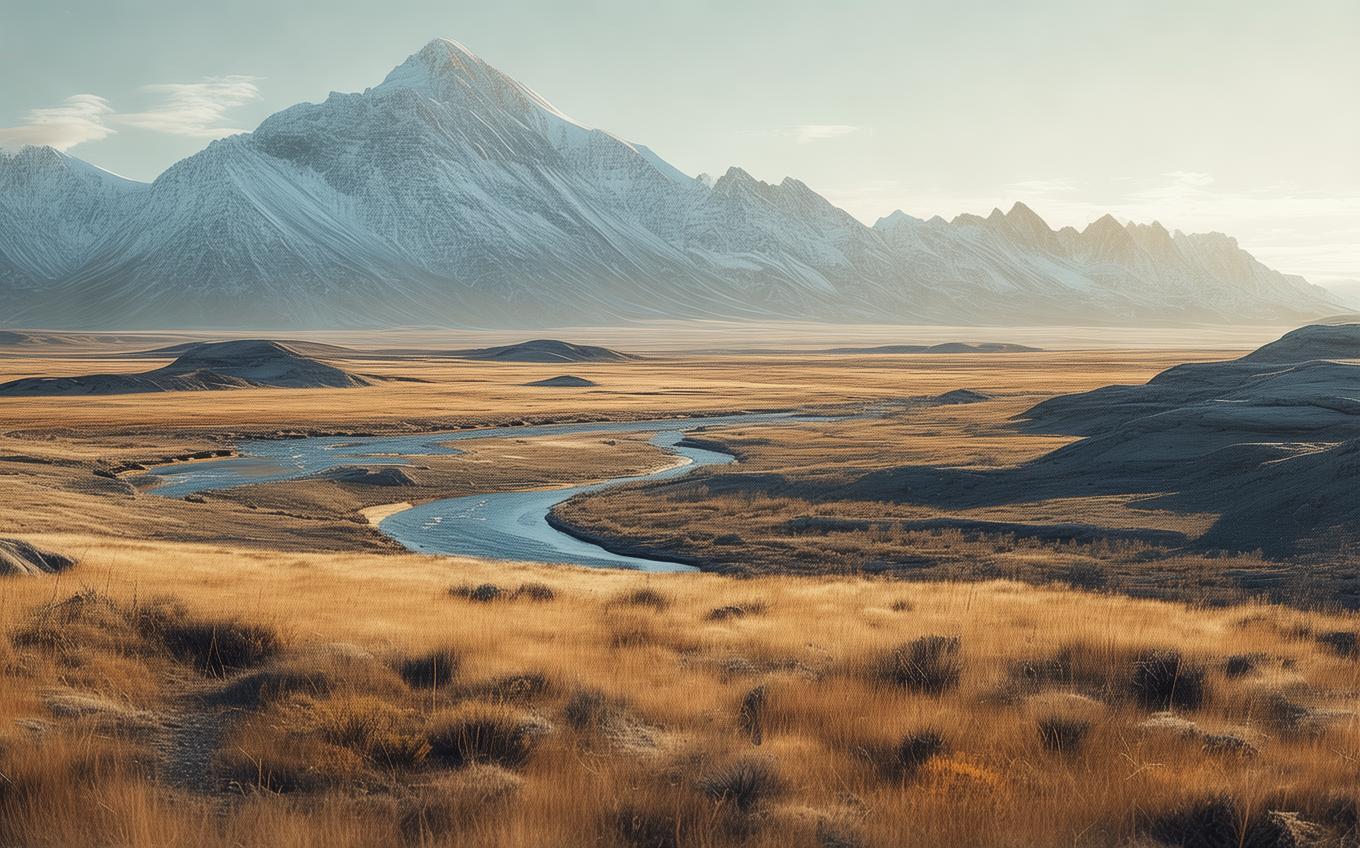
In Chinese culture, "边疆" often evokes a romanticized vision of vast, untamed landscapes—like the deserts of Xinjiang, the grasslands of Inner Mongolia, or the high plateaus of Tibet. It is a term deeply connected with Chinese poetry and literature, where the "frontier" (often in the context of the ancient Silk Road or the Great Wall) symbolizes both hardship and the spirit of exploration. The concept also carries weight in China’s modern development policies, as the government invests in "边疆地区" to boost economy and strengthen national unity. Additionally, the term appears in the title of famous works, such as the historical novel "边疆" by Liu Zhenyun, which reflects the life and struggles in remote borderlands.
Conclusion
"边疆" (biān jiāng) is your word for the frontier—a wide, often remote border region that goes beyond a simple dividing line. Think of it as the transition zone between countries, rich with strategic importance, cultural diversity, and a touch of rugged poetry. Remember: 边 (edge) + 疆 (boundary expanse) = a land of borders far from the heartland.
Sources and Further Reading
Dictionary links are provided for independent reference. Example sentences and learning notes on this page are educational explanations rather than dictionary quotations.

Comments (0)
No comments yet. Be the first to comment!