Introduction
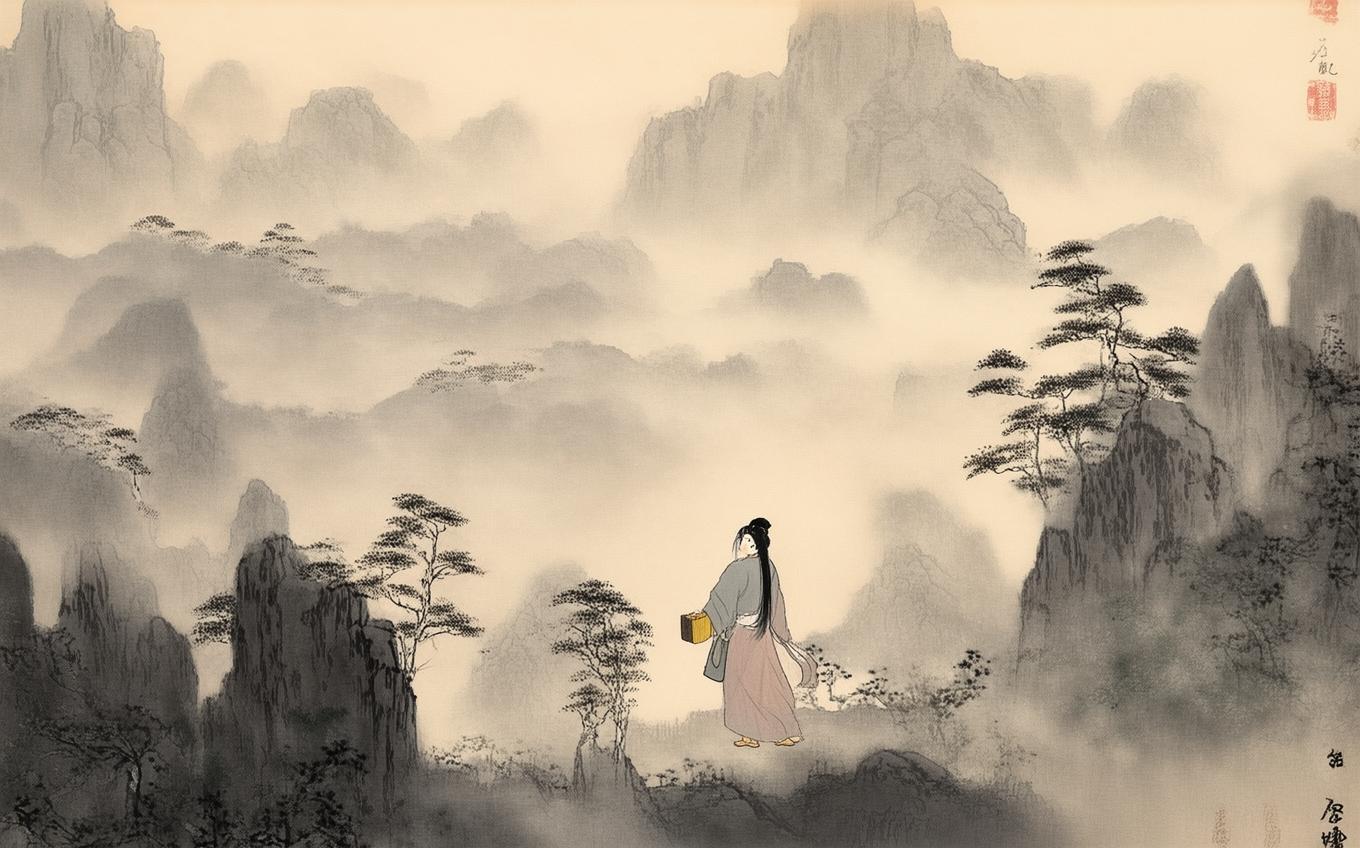
“赐崔日知往潞州” (Cì Cuī Rìzhī wǎng Lùzhōu, “To Cui Rizhi on His Departure to Luzhou”) is a concise yet emotionally charged farewell poem by Li Bai (701–762), one of the greatest poets of China’s golden Tang dynasty. Li Bai, often celebrated for his romantic exuberance and love of wine and wanderlust, here reveals a different tone—intimate, heroic, and tinged with melancholy. The poem was written for his friend Cui Rizhi (崔日知) as Cui prepared to journey to Luzhou (modern-day Changzhi, Shanxi Province), a frontier region that evoked both historical grandeur and personal uncertainty. In just twenty Chinese characters, Li Bai encapsulates the bittersweet nature of parting, the weight of unspoken words, and the heroic spirit of ancient wanderers. For a reader new to Chinese poetry, this short masterpiece offers a portal into the Tang dynasty’s chivalric culture and the profound art of saying goodbye.
The Poem: Full Text and Translation
燕赵悲歌士,
Yān Zhào bēi gē shì,
A heroic singer from the lands of Yan and Zhao,
相逢剧孟家。
Xiāng féng Jù Mèng jiā.
We meet at the home of Ju Meng.
寸心言不尽,
Cùn xīn yán bù jìn,
The words from my inch of heart cannot be exhausted,
前路日将斜。
Qián lù rì jiāng xié.
On the road ahead, the sun is about to slant.
Line-by-Line Analysis
Line 1 – 燕赵悲歌士
Yān Zhào bēi gē shì – “A heroic singer from the lands of Yan and Zhao.” The poem opens not with a personal greeting but with a bold cultural archetype. Yan and Zhao were ancient states in northern China known for their stark landscapes and for producing warriors, knight-errants, and stoic poets. The phrase bēi gē shì (“singer of tragic songs” or “heroic singer”) refers to a figure who voices deep, often melancholic emotion through song—a symbol of resilience and profound feeling. Li Bai is likely describing both his friend and himself: two men of talent and passion who embrace a wandering, chivalric life. The line immediately sets a solemn, lofty mood.
Line 2 – 相逢剧孟家
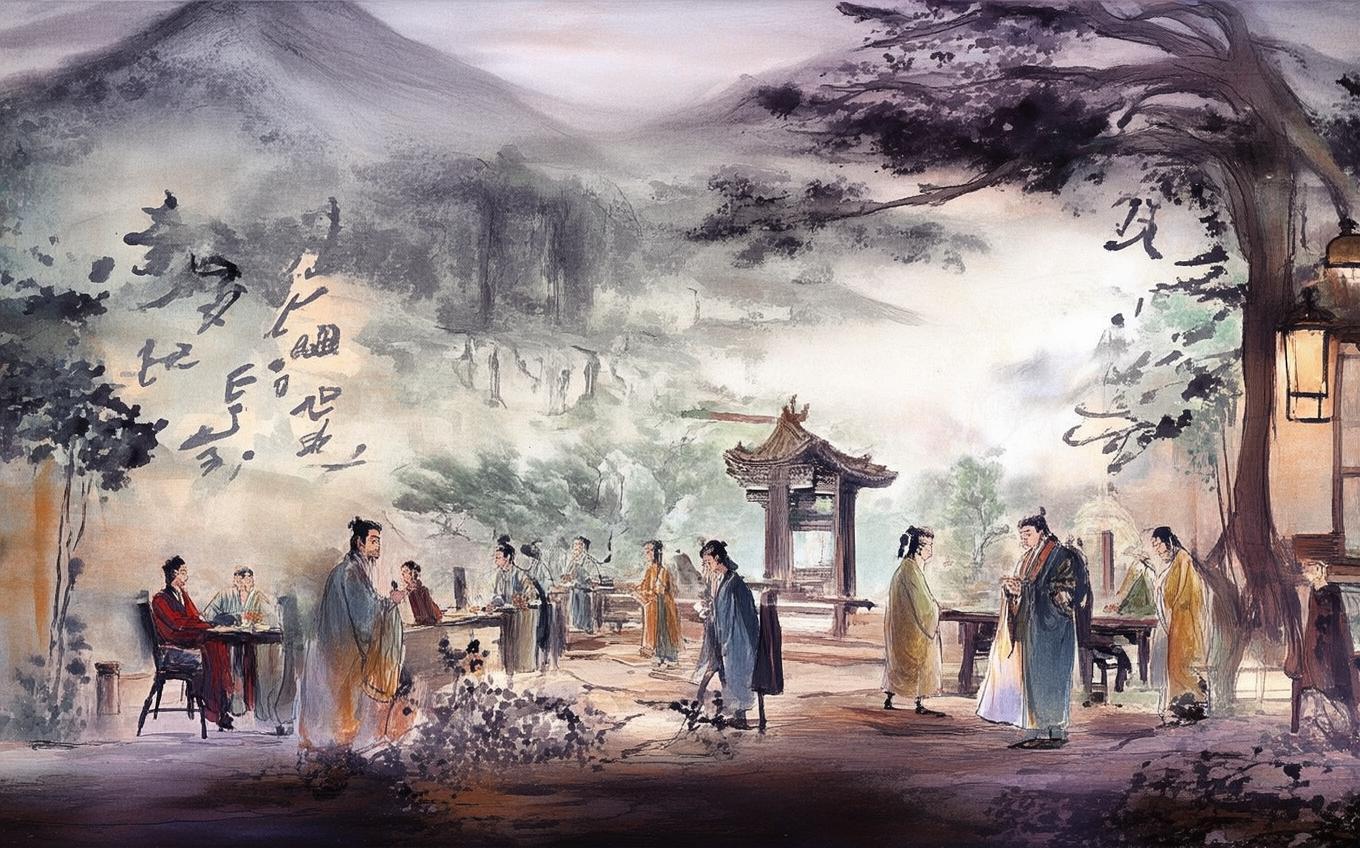
Xiāng féng Jù Mèng jiā – “We meet at the home of Ju Meng.” Ju Meng was a celebrated knight-errant (youxia) of the Western Han dynasty, famous for his bravery, generosity, and ability to attract fellow heroes. By placing the meeting in Ju Meng’s house, Li Bai conjures a private space where kindred spirits gather—a world apart from courtly formalities. It suggests that the poet and Cui recognize each other as modern-day gallants, sharing values of loyalty, courage, and a disregard for worldly rank. The mention of Ju Meng also adds a layer of historical depth, linking their fleeting encounter to a long lineage of heroic companionship.
Line 3 – 寸心言不尽
Cùn xīn yán bù jìn – “The words from my inch of heart cannot be exhausted.” In classical Chinese, cùn xīn (寸心, “inch of heart”) is an idiom for the seat of one’s deepest feelings. Though the heart is physically tiny, it holds an immense ocean of sentiment. Li Bai confesses that, despite the intimacy of the moment, language fails him; the true depth of his care, worry, and admiration can never be fully spoken. This line captures the quintessential Tang-dynasty belief that the most powerful emotions often reside in silence—an aesthetic that would echo through centuries of Chinese art and poetry.
Line 4 – 前路日将斜
Qián lù rì jiāng xié – “On the road ahead, the sun is about to slant.” The poem closes with a vivid image of the external world intruding on their private reunion. The slanting sun is a classic symbol of approaching evening, impermanence, and the urgency of departure. It reminds both men that the road calls, and the day is drawing to a close. There is no dramatic weeping or lengthy farewell; instead, the poem pivots to landscape, leaving the unspoken words to hang in the fading light. For the reader, this final line resonates with an ache that seems to extend beyond the specific parting—a quiet meditation on the brevity of all human connections.
Themes and Symbolism
Friendship and the Heroic Ideal
The poem’s core is the theme of zhīyīn (知音) — the “one who knows the sound” — a soulmate who truly understands your heart. By casting themselves as “heroic singers” and meeting in Ju Meng’s home, Li Bai elevates their friendship to a chivalric brotherhood. It is not merely personal affection but a bond of shared ideals: loyalty, noble sorrow, and a restless spirit.
The Unspoken and the Sublime
“寸心言不尽” (the inch of heart cannot be exhausted) highlights a Daoist-inflected aesthetic that values what is left unsaid. Chinese poetry often prefers restraint over effusion; the most moving farewells are those that end in silence or a shared glance. Here, the insufficiency of words becomes a deeper form of communication.
Transience and the Journey
The slanting sun and the road ahead are universal symbols of life’s journey. In Tang poetry, farewells frequently merge personal parting with existential awareness—the road is both a physical path and a metaphor for one’s destiny. Li Bai accepts the sadness without bitterness, capturing the transient beauty of the moment.
Cultural Context
The Tang dynasty (618–907) was a cosmopolitan age when poetry was the highest art form, and farewell poems were a social ritual. Officials, scholars, and friends would often compose verses when someone set out for a distant post. The youxia (游侠) or knight-errant culture, romanticized by poets like Li Bai, valued personal honor, loyalty, and spontaneous action outside the rigid Confucian hierarchy. By invoking Yan, Zhao, and Ju Meng, Li Bai taps into a shared cultural memory of ancient heroes who lived by their own code—an appealing ideal for a poet who often described himself as a wanderer beyond the constraints of officialdom.
This poem also reflects the Chinese philosophical concept of ganying (感应), a kind of emotional resonance between kindred spirits and the world around them. The slanting sun is not mere scenery; it is a sympathetic response to the men’s unspoken sorrow, uniting human feeling with the natural cycle.
Conclusion
In just four short lines, Li Bai distills the complexity of a farewell into images that are at once intensely personal and universally human. “赐崔日知往潞州” is a miniature masterpiece that transports us to a candle-lit gathering of two friends, their hearts full, the road calling, and the sun sinking low. It speaks to anyone who has ever struggled to say goodbye—who has felt that the truest sentiments transcend language. For Western readers, this poem is an invitation to appreciate not just the linguistic elegance of classical Chinese verse, but also the culture of gallant friendship and the beauty of leaving things perfectly unfinished. As the sun slants across all our journeys, Li Bai’s words remain: a brief, brilliant flash of connection that echoes across the centuries.

Comments (0)
No comments yet. Be the first to comment!