1. Basic Information
- Word: 表演
- Pinyin: biǎo yǎn
- Literal Meaning: “show/express” + “perform/develop”
- Primary Meaning: performance; to perform (a show, play, act); to demonstrate; to act out
2. In-depth Explanation
-
Context and Usage:
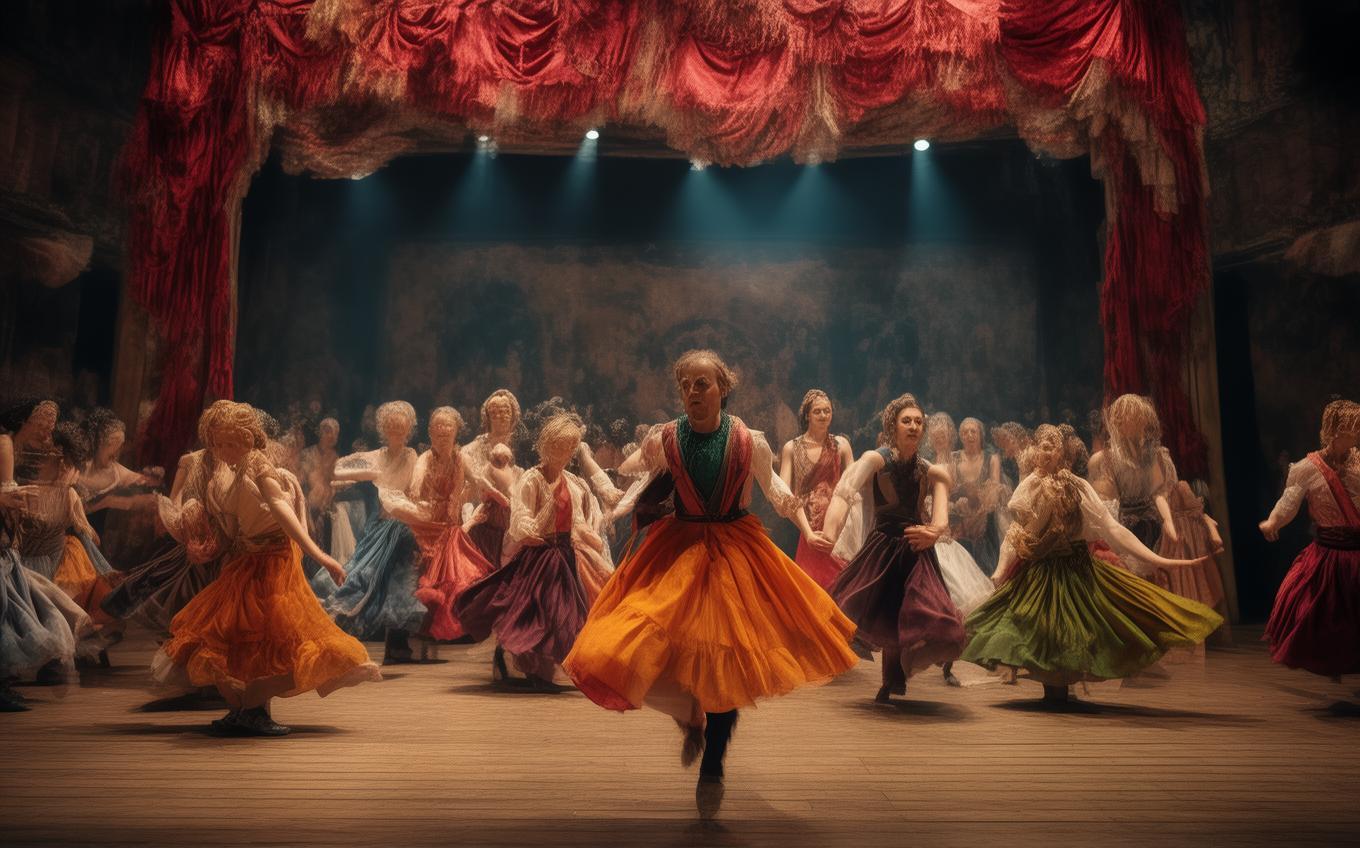
表演 is one of the most common words for any kind of public performance—theater, dance, music, acrobatics, magic shows, etc. It can be used as both a noun (“a performance”) and a verb (“to perform”).
Beyond stage or screen, 表演 is also used figuratively to mean “putting on an act” in social situations, implying that someone is not being genuine but rather acting a role to impress or deceive. In this pejorative sense, it often carries a negative tone, similar to English “to put on a show” or “to play-act.” -
Character Breakdown:
- 表 (biǎo): originally meant “outer garment” or “surface,” and by extension “to show,” “to express,” “to manifest.” It suggests the outward display of something.
- 演 (yǎn): means “to develop,” “to evolve,” and in artistic contexts “to perform,” “to act,” “to play (a role).” It contains the idea of unfolding or elaborating something over time.
Together, 表演 literally paints a picture of “showing through an unfolding action”—precisely what a performance does.
3. Example Sentences
-
Chinese: 她在舞台上表演了一支舞蹈。
Pinyin: Tā zài wǔtái shang biǎoyǎn le yī zhī wǔdǎo.
English: She performed a dance on stage. -
Chinese: 这个演员的表演非常精彩。
Pinyin: Zhège yǎnyuán de biǎoyǎn fēicháng jīngcǎi.
English: This actor’s performance was brilliant. -
Chinese: 不要在面试中表演,诚实回答就好。
Pinyin: Bú yào zài miànshì zhōng biǎoyǎn, chéngshí huídá jiù hǎo.
English: Don’t put on an act in the interview; just answer honestly.
Cultural Notes (if applicable)
In traditional Chinese culture, performing arts such as Peking opera (京剧), acrobatics, and folk dance hold a cherished place, and the word 表演 carries a sense of skill and artistry. In modern China, 表演 is also used when talking about social “face”—people might 表演 a role to maintain harmony or to avoid losing face, making the word relevant not only to the stage but to everyday social dynamics.
Conclusion
Remember 表演 as “to perform” or “a performance,” made up of 表 (show) and 演 (perform/unfold). Whether you’re talking about a dazzling stage show or someone putting on a fake smile, 表演 will be your go-to word. Just be mindful of the context—it can be both a celebration of art and a critique of insincerity.
Sources and Further Reading
Dictionary links are provided for independent reference. Example sentences and learning notes on this page are educational explanations rather than dictionary quotations.


Comments (0)
No comments yet. Be the first to comment!