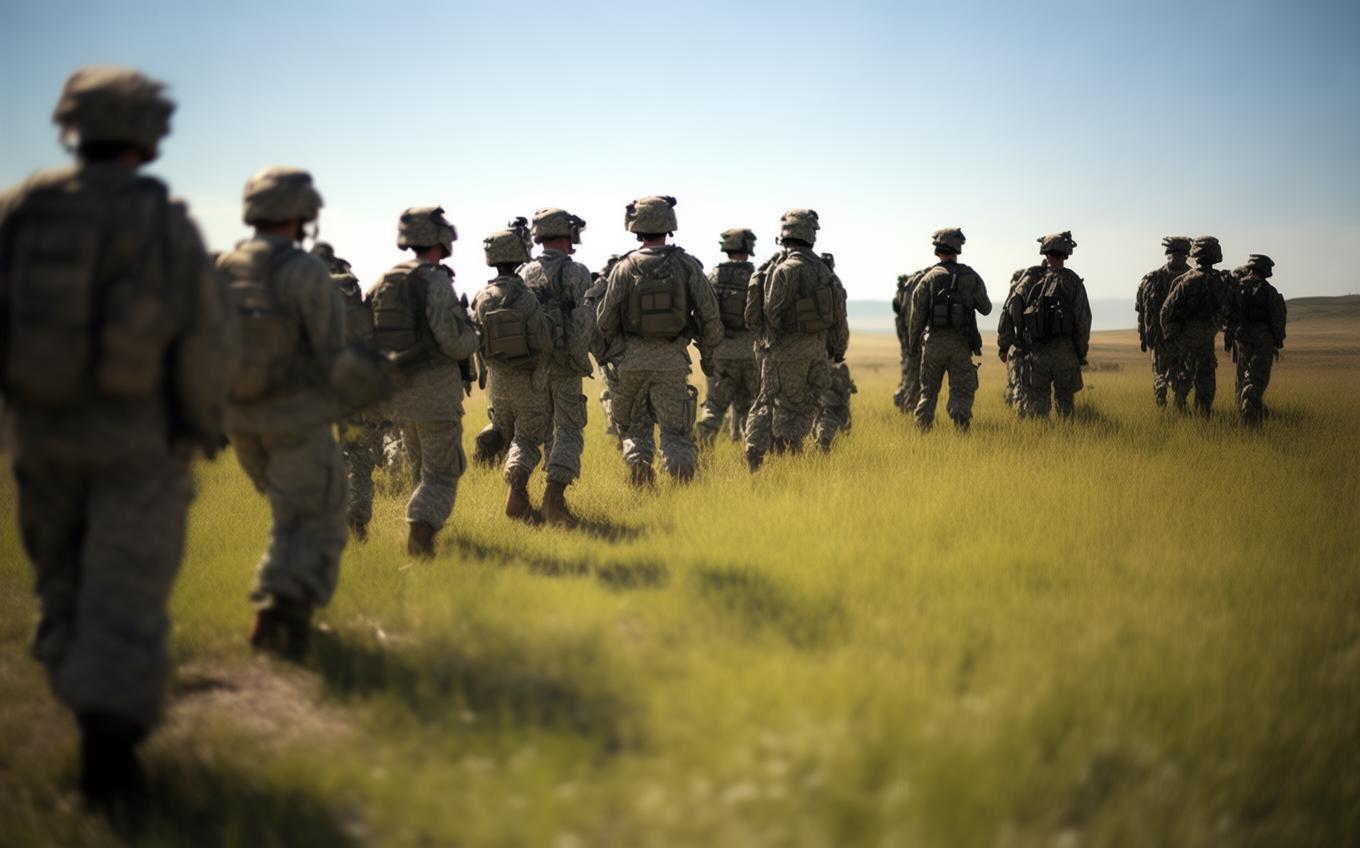
Understanding "部署" - Chinese Word Explanation
1. Basic Information
- Word: 部署
- Pinyin: bù shǔ
- Literal Meaning: “department arrangement” or “section planning”
- Primary Meaning: To deploy, arrange, or map out (troops, resources, personnel, or a strategic plan)
2. In-depth Explanation
-
Context and Usage:
"部署" is a relatively formal word used in strategic, military, business, and organizational contexts. It refers to the act of systematically arranging people, tasks, resources, or plans to achieve a specific goal. Think of a general placing soldiers and equipment before a battle, or a manager assigning team roles for a project. It implies careful planning and a top-down, authoritative action. While it can sometimes be translated as “arrange” or “plan”, it carries a stronger sense of deliberate, often large-scale positioning. It is not typically used for trivial daily arrangements (like arranging a dinner date); for those, simpler verbs like "安排" (ān pái) are more appropriate. -
Character Breakdown:
- 部 (bù): Originally meaning “part”, “section”, “ministry”, or “department”. It suggests a division of a whole, troops, or a command structure. In this word, it evokes the idea of organized units.
- 署 (shǔ): Means “office”, “bureau”, or “to arrange/sign”. The character contains “网” (net) and “者” (person), historically related to setting up nets or official posts, and later extended to mean arranging affairs or giving orders. Together, 部署 paints a picture of organizing sections or units in a deliberate, official manner.
3. Example Sentences
- Chinese: 将军正在部署军队,准备进攻。
- Pinyin: Jiāngjūn zhèngzài bùshǔ jūnduì, zhǔnbèi jìngōng.
-
English: The general is deploying troops, preparing for an attack.
-
Chinese: 公司高层开会部署下一季度的销售策略。
- Pinyin: Gōngsī gāocéng kāihuì bùshǔ xià yī jìdù de xiāoshòu cèlüè.
-
English: The company's top management held a meeting to map out the sales strategy for the next quarter.
-
Chinese: 为应对疫情,政府迅速部署了医疗资源。
- Pinyin: Wèi yìngduì yìqíng, zhèngfǔ xùnsù bùshǔ le yīliáo zīyuán.
- English: In response to the pandemic, the government rapidly deployed medical resources.
Cultural Notes (if applicable)
In modern Chinese, "部署" is frequently used in news reports about government policies, corporate strategies, and military affairs. It reflects a culture that values hierarchical planning and coordinated action. The word is neutral in tone but authoritative; it often appears in contexts of leadership and crisis management. Because of its official flavor, using it in everyday casual conversation might sound overly formal or even humorous. It is also a common term in Communist Party of China documents, where it describes the careful arrangement of ideological or administrative tasks.
Conclusion
"部署" is your go-to word for strategic, large-scale arranging—like deploying forces or rolling out a master plan. Think of the two characters: “section” + “arrange” = organize the units. Remember that it’s formal and top-down, so save it for business, military, and official contexts, not for small personal plans. Mastering "部署" will make your Chinese sound more precise and sophisticated when discussing strategy.
Sources and Further Reading
Dictionary links are provided for independent reference. Example sentences and learning notes on this page are educational explanations rather than dictionary quotations.


Comments (0)
No comments yet. Be the first to comment!