1. Basic Information
- Word: 嘈杂
- Pinyin: cáozá
- Literal Meaning: “noisy and mixed/confused”
- Primary Meaning: noisy, loud, and chaotic; full of unpleasant or disorderly noise
2. In-depth Explanation
- Context and Usage:
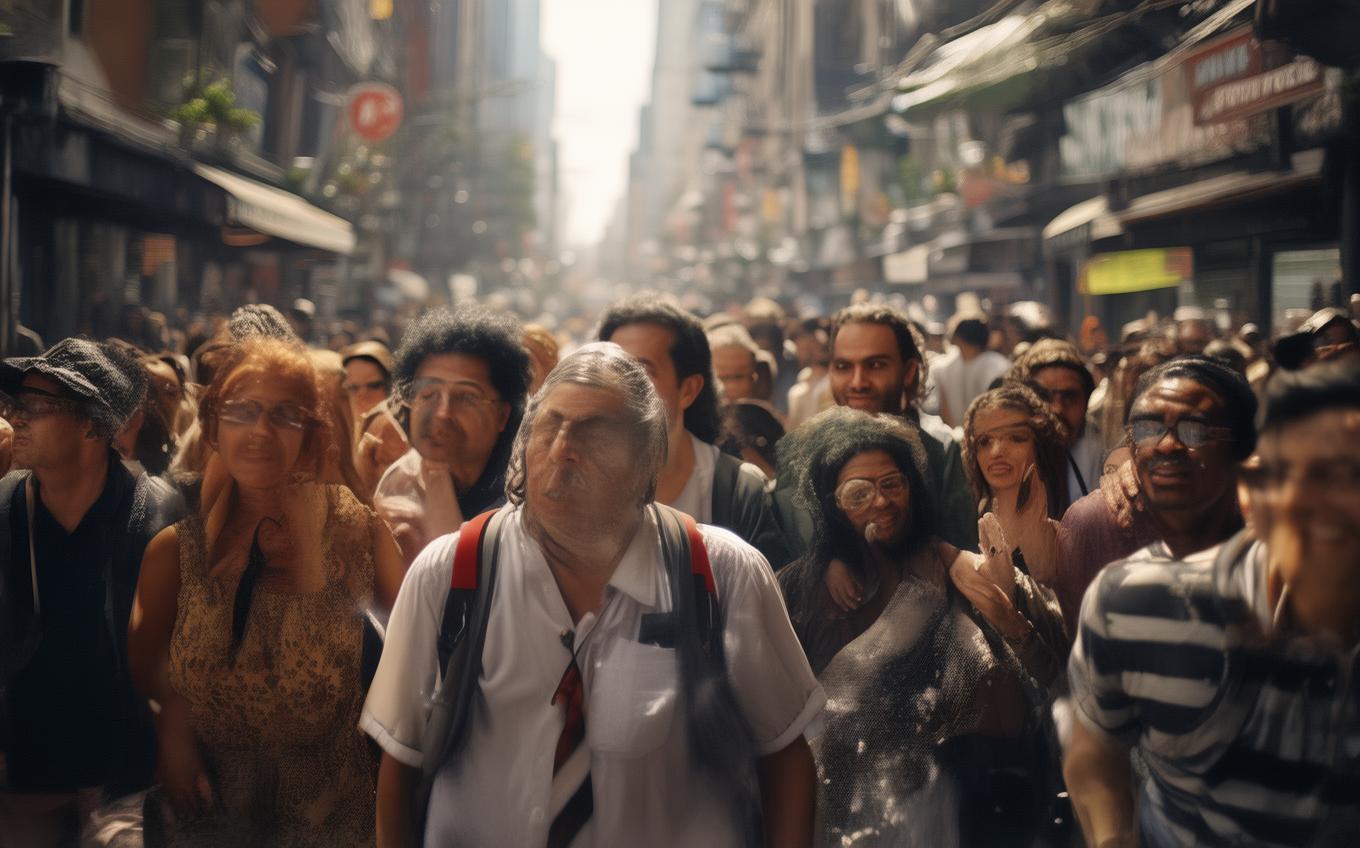
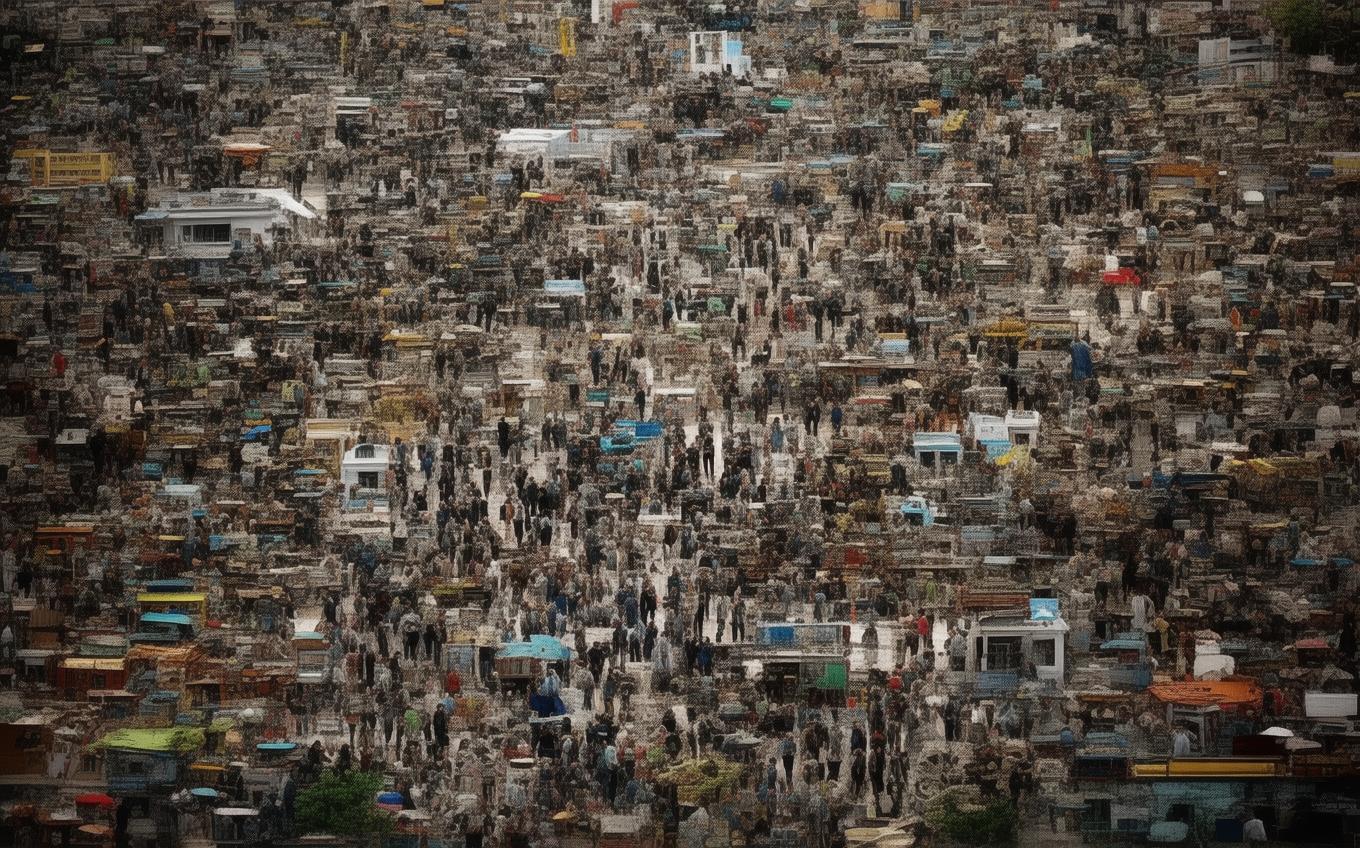
嘈杂 is used to describe an environment filled with many different sounds that are loud, disorderly, and often unpleasant. It is commonly used for places such as markets, streets, restaurants, classrooms, construction sites, or crowded public areas.
In English, 嘈杂 can often be translated as “noisy,” but it usually suggests more than simple loudness. It implies that the sounds are mixed together in a messy or chaotic way. For example, a room with loud music might be 吵, meaning “noisy,” but a busy restaurant with people talking, dishes clattering, and background music could be described as 嘈杂.
嘈杂 is slightly formal or descriptive, and it is often used in writing or careful speech. In casual conversation, people may also say 很吵, meaning “very noisy.”
- Character Breakdown:
- 嘈: related to loud, noisy, or bustling sounds. The mouth radical 口 suggests a connection with sound or speech.
- 杂: mixed, miscellaneous, or disorderly. It adds the idea that the noise is not just loud, but also mixed together and chaotic.
3. Example Sentences
- Chinese: 这个市场非常嘈杂,我几乎听不见你说话。
- Pinyin: Zhège shìchǎng fēicháng cáozá, wǒ jīhū tīng bú jiàn nǐ shuōhuà.
-
English: This market is very noisy; I can hardly hear you speaking.
-
Chinese: 他不喜欢在嘈杂的环境里工作。
- Pinyin: Tā bù xǐhuan zài cáozá de huánjìng lǐ gōngzuò.
-
English: He does not like working in a noisy environment.
-
Chinese: 街上的声音太嘈杂了,让人很难集中注意力。
- Pinyin: Jiē shàng de shēngyīn tài cáozá le, ràng rén hěn nán jízhōng zhùyìlì.
- English: The sounds on the street are too noisy and chaotic, making it hard to concentrate.
Cultural Notes (if applicable)
In Chinese cities, places such as food markets, train stations, busy restaurants, and shopping streets are often lively and full of sound. 嘈杂 is useful when describing this kind of environment in a more neutral or slightly negative way. It does not simply mean “lively”; it usually suggests that the noise is bothersome, distracting, or overwhelming.
A related word is 热闹, which means lively, bustling, or full of activity. 热闹 is often positive, while 嘈杂 is usually negative or at least uncomfortable. For example, a festival can be 热闹, but if the noise becomes unpleasant, you might describe it as 嘈杂.
Conclusion
嘈杂 means “noisy and chaotic.” Remember that 嘈 suggests noise, while 杂 suggests mixed or disorderly. Use 嘈杂 when describing an environment where many sounds are mixed together in a loud, distracting, or unpleasant way.
Sources and Further Reading
Dictionary links are provided for independent reference. Example sentences and learning notes on this page are educational explanations rather than dictionary quotations.


Comments (0)
No comments yet. Be the first to comment!