1. Basic Information
- Word: 城堡
- Pinyin: chéngbǎo
- Literal Meaning: “city fortress” or “walled fortress”
- Primary Meaning: castle; fortress
2. In-depth Explanation
- Context and Usage:
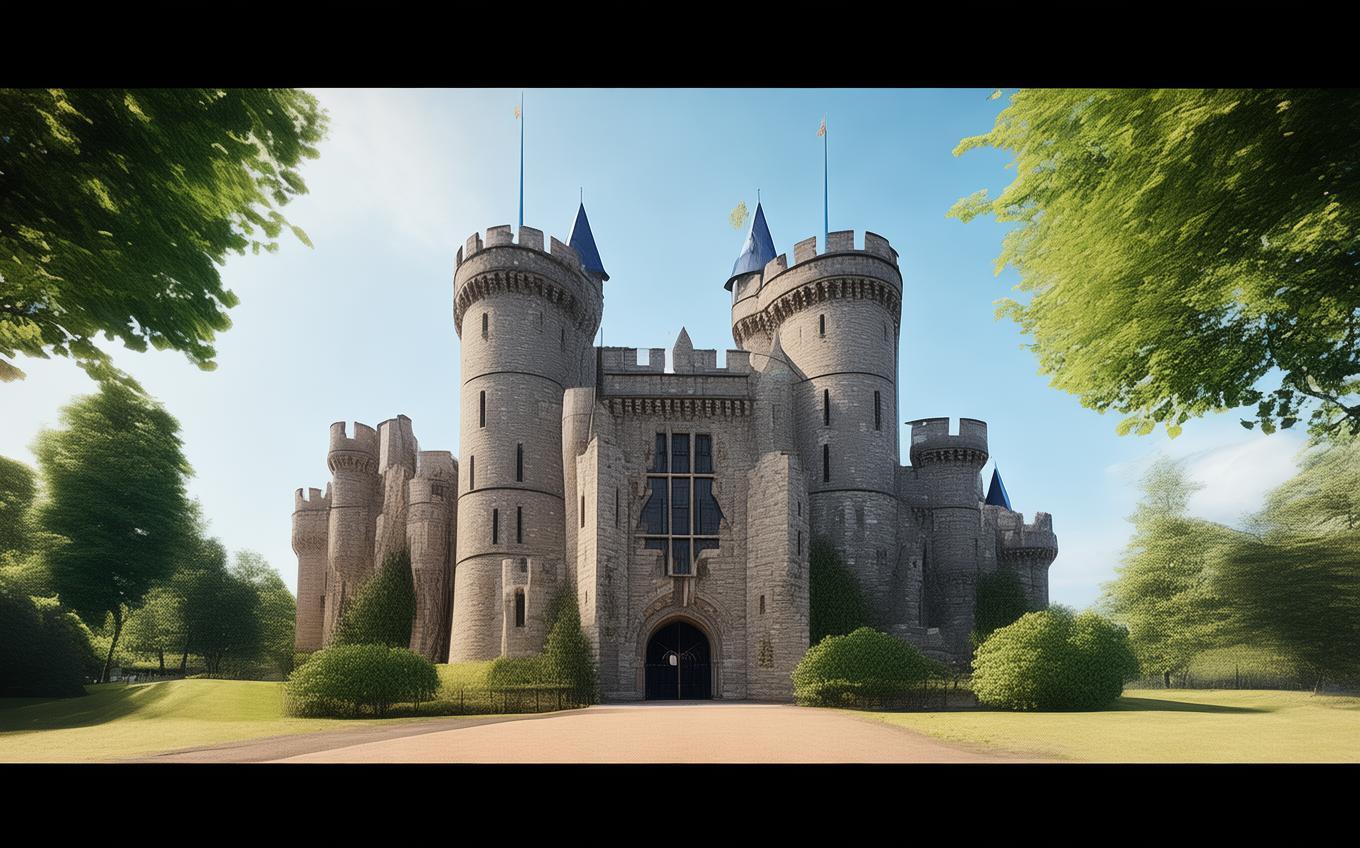
城堡 is used to refer to a castle, especially the kind often seen in fairy tales, European history, fantasy stories, or tourist attractions. It can describe both real historical castles and imaginary castles in stories or games.
For English speakers, 城堡 is closest to the word “castle.” It usually suggests a large, strong building with walls, towers, and sometimes a royal or noble connection. In modern Chinese, it is commonly used in contexts such as fairy tales, travel, history, movies, and fantasy settings.
For example, a “princess’s castle” would be 公主的城堡, and a “medieval castle” would be 中世纪的城堡.
-
Character Breakdown:
城堡 is made of two characters: -
城: city; city wall; fortified place
This character often relates to cities, walls, or defensive structures. In ancient China, cities were often surrounded by walls, so 城 can carry the idea of protection or fortification. -
堡: fort; fortress; stronghold
This character refers to a defensive building or fortified place. It appears in words related to forts or protected structures.
Together, 城堡 literally suggests a fortified city-like structure, which matches the idea of a “castle.”
3. Example Sentences
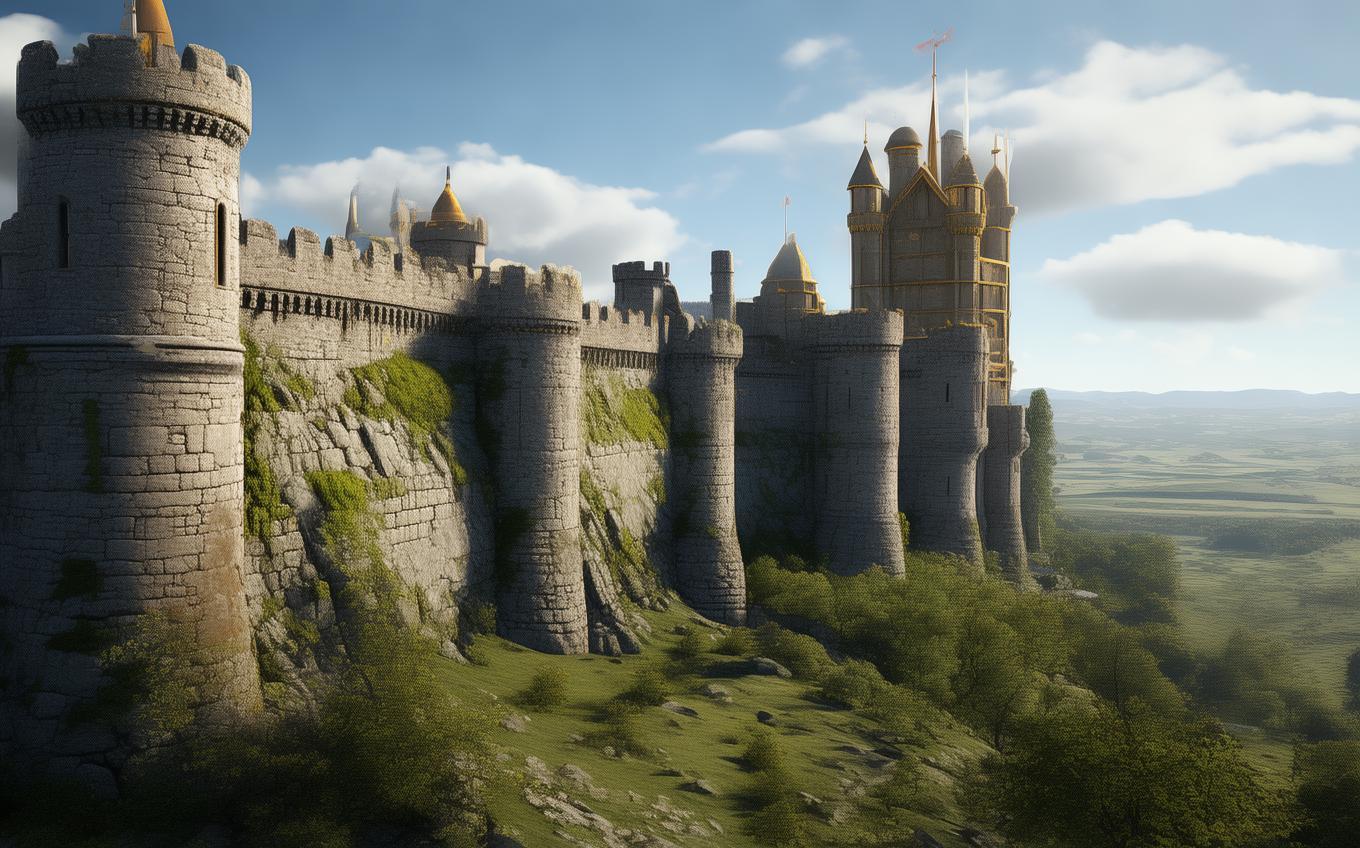
- Chinese: 山上有一座古老的城堡。
- Pinyin: Shān shàng yǒu yí zuò gǔlǎo de chéngbǎo.
-
English: There is an old castle on the mountain.
-
Chinese: 小女孩梦想住在美丽的城堡里。
- Pinyin: Xiǎo nǚhái mèngxiǎng zhù zài měilì de chéngbǎo lǐ.
-
English: The little girl dreams of living in a beautiful castle.
-
Chinese: 这座城堡是中世纪建造的。
- Pinyin: Zhè zuò chéngbǎo shì Zhōngshìjì jiànzào de.
- English: This castle was built in the Middle Ages.
Cultural Notes (if applicable)
城堡 is often associated with European-style castles in Chinese. While China has many ancient city walls, palaces, gates, and fortified towns, the word 城堡 usually brings to mind Western castles with towers, stone walls, knights, kings, queens, and princesses.
In fairy tales and children’s stories, 城堡 appears frequently. For example, stories about princesses, dragons, magic, and kingdoms often use this word. In Chinese theme parks or fantasy games, 城堡 is also a common word for magical or royal-looking buildings.
A useful measure word for 城堡 is 座. For example, 一座城堡 means “a castle.” 座 is commonly used for large, fixed structures such as buildings, mountains, bridges, and towers.
Conclusion
城堡 means “castle” or “fortress” and is pronounced chéngbǎo. Remember that 城 relates to a city or city wall, while 堡 means fort or fortress. Together, they describe a large fortified structure, often like the castles seen in fairy tales, history, travel, and fantasy stories.
Sources and Further Reading
Dictionary links are provided for independent reference. Example sentences and learning notes on this page are educational explanations rather than dictionary quotations.


Comments (0)
No comments yet. Be the first to comment!