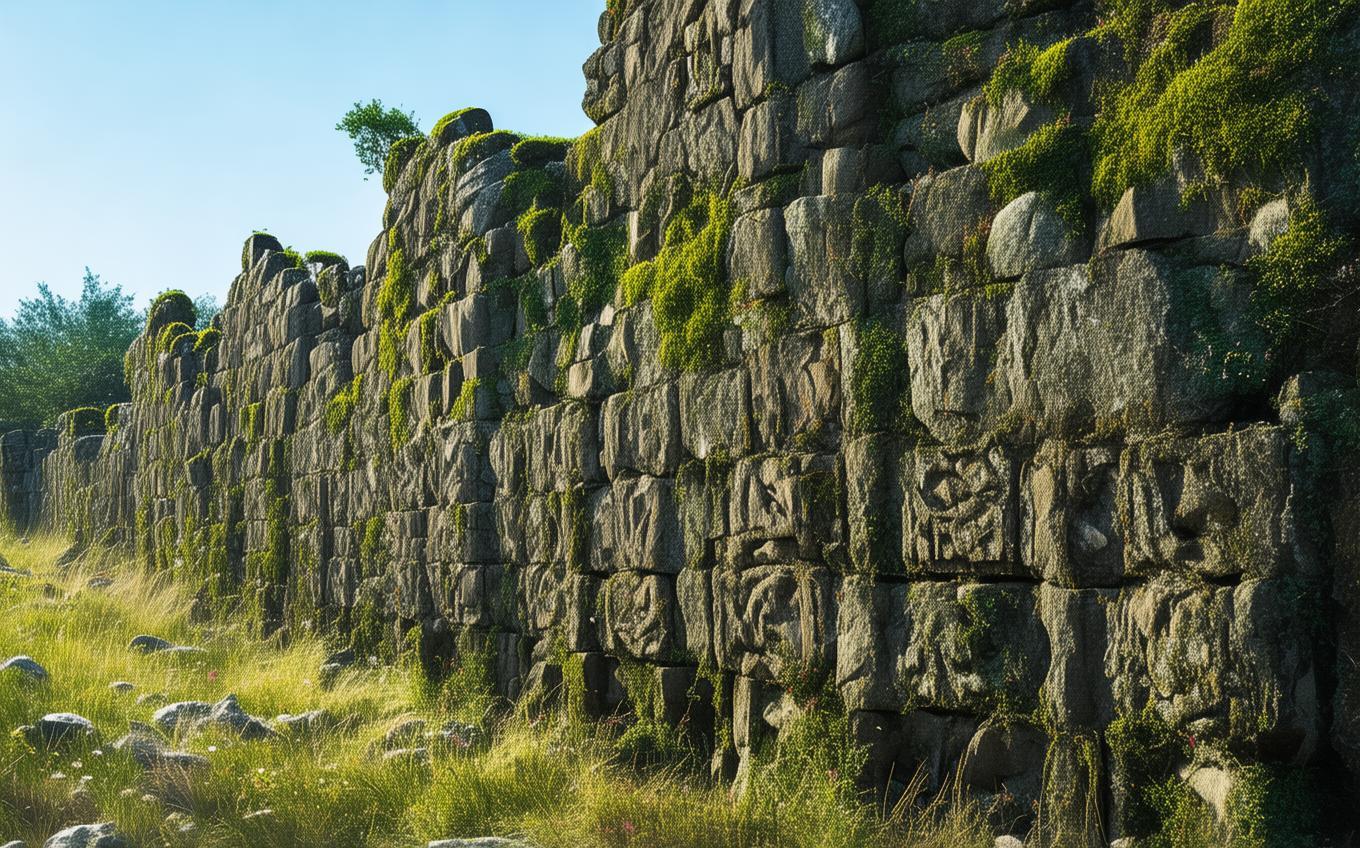
1. Basic Information
- Word: 城墙
- Pinyin: chéngqiáng
- Literal Meaning: city wall
- Primary Meaning: a defensive wall surrounding a city, especially in ancient or historical contexts
2. In-depth Explanation
-
Context and Usage: 城墙 refers to the walls built around cities in ancient China and other historical societies for defense and protection. In English, it is usually translated as “city wall” or “city walls.” This word is commonly used when talking about history, architecture, tourism, ancient capitals, or famous historical sites. It is not usually used for the wall of a house or a room; for those, Chinese uses words like 墙 or 墙壁.
-
Character Breakdown:
- 城: city; city wall; fortified town. In ancient Chinese, 城 often referred to a city protected by defensive walls.
- 墙: wall. This character refers to a physical wall, such as a wall around a building, garden, or city.
Together, 城墙 means “the wall of a city,” especially a large defensive structure surrounding an old city.
3. Example Sentences
- Chinese: 西安的城墙非常有名。
- Pinyin: Xī’ān de chéngqiáng fēicháng yǒumíng.
-
English: The city wall of Xi’an is very famous.
-
Chinese: 我们沿着古老的城墙散步。
- Pinyin: Wǒmen yánzhe gǔlǎo de chéngqiáng sànbù.
-
English: We walked along the ancient city wall.
-
Chinese: 这座城墙以前是用来保护城市的。
- Pinyin: Zhè zuò chéngqiáng yǐqián shì yòng lái bǎohù chéngshì de.
- English: This city wall was formerly used to protect the city.
Cultural Notes (if applicable)
城墙 is strongly connected with Chinese history and ancient urban design. Many important Chinese cities once had large defensive walls, gates, towers, and moats. One of the most famous examples is the Xi’an City Wall, which is one of the best-preserved ancient city walls in China. It reflects the importance of military defense, city planning, and political power in ancient China.
A related but different term is 长城, meaning “the Great Wall.” While 城墙 usually refers to walls around a city, 长城 refers to the massive defensive wall system built across northern China.
Conclusion
城墙 means “city wall,” especially an ancient defensive wall surrounding a city. Remember that 城 means “city” or “fortified city,” and 墙 means “wall.” Together, 城墙 refers to an important historical structure often seen in discussions of Chinese history, architecture, and travel.
Sources and Further Reading
Dictionary links are provided for independent reference. Example sentences and learning notes on this page are educational explanations rather than dictionary quotations.



Comments (0)
No comments yet. Be the first to comment!