Introduction
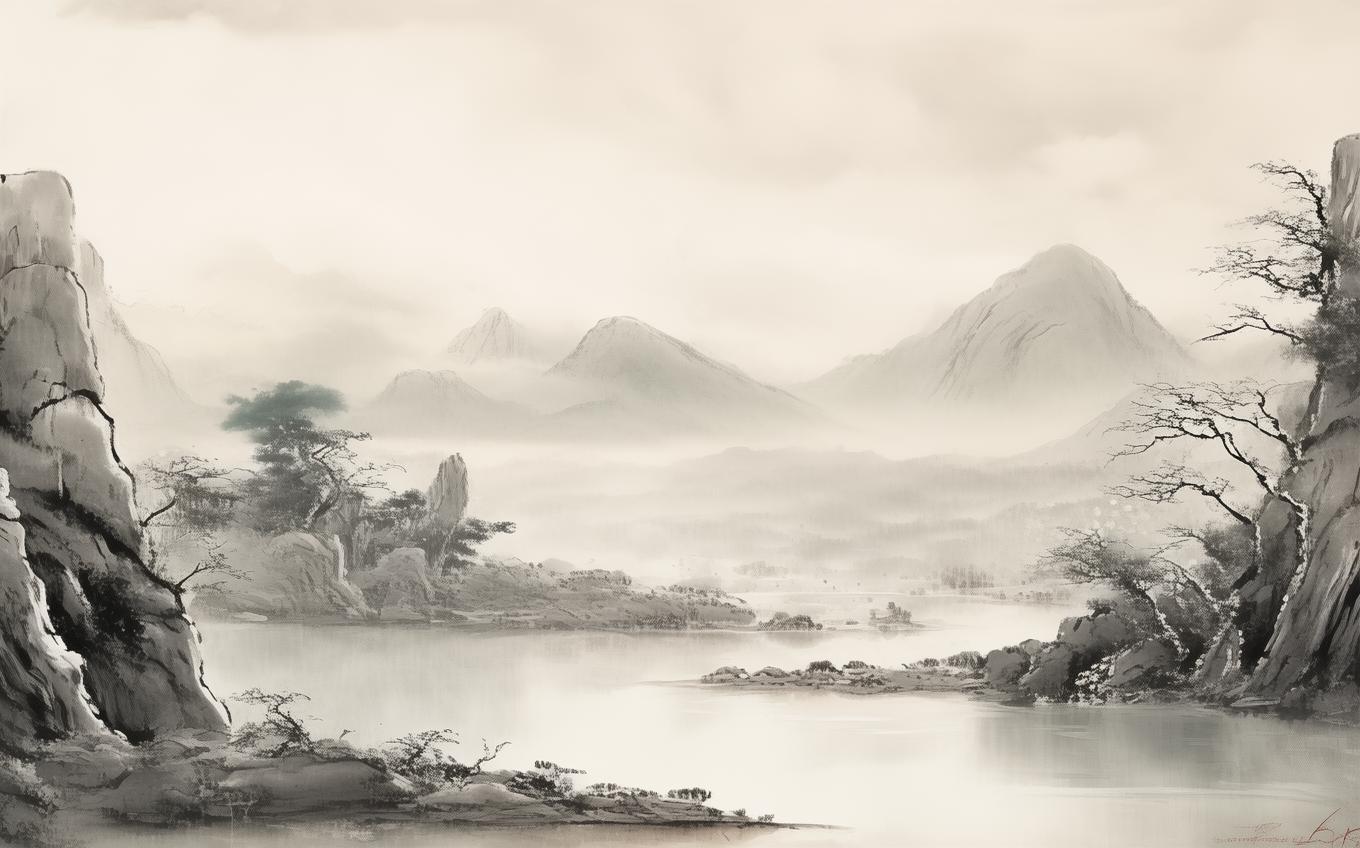
"横吹曲辞陇头水二" is traditionally attributed to 李白 (Lǐ Bái), one of the most celebrated poets of the Tang dynasty. Li Bai is famous for his bold imagination, musical language, and ability to transform personal feeling into vast, memorable images. The title belongs to the old Yuefu tradition, a body of poems connected to music and performance. "陇头水" refers to the waters flowing near Long Mountain in the northwest frontier, a place strongly associated in Chinese poetry with distance, hardship, and separation.
This poem is significant because it combines frontier imagery with deep human sorrow. Like many frontier poems, it is not simply about geography; it is about emotional exile. The flowing water of the title becomes a powerful symbol of tears, longing, and the unending movement of time. In a few compressed lines, the poem captures homesickness, loneliness, and the psychological burden of life on the borderlands.
The Poem: Full Text and Translation
陇头流水,流离山下。
Lǒng tóu liú shuǐ, liú lí shān xià.
At the head of Long Mountain, the waters flow, drifting away beneath the mountain.
念吾一身,飘然旷野。
Niàn wú yī shēn, piāo rán kuàng yě.
I think of my own solitary self, cast adrift in the vast wilderness.
朝发欣城,暮宿陇头。
Zhāo fā Xīn chéng, mù sù Lǒng tóu.
I set out from the city at dawn, and by evening lodge at Long Mountain.
寒不能语,舌卷入喉。
Hán bù néng yǔ, shé juǎn rù hóu.
The cold is so severe I cannot speak; my tongue curls back into my throat.
This version belongs to the old frontier-song tradition, and as with many Yuefu poems, textual variants exist in different sources. The wording above reflects a commonly cited form.
Line-by-Line Analysis
The opening line, “陇头流水,流离山下”, immediately establishes motion and mood. The water is not calm or contained; it is continuously moving away. The repeated sound of 流 (liú, “to flow”) and 流离 (liú lí, “to drift, to be scattered, to wander”) creates a musical echo. This is more than a description of landscape. In Chinese poetry, flowing water often suggests sorrow, lost time, or separation. Here, the stream beneath the mountain seems to embody the poet’s own unsettled condition.
The second line, “念吾一身,飘然旷野”, turns from outer landscape to inner feeling. The phrase 一身 means “my single body” or “my lone self,” emphasizing isolation. 飘然 suggests floating, drifting, or being carried without control, while 旷野 means open wilderness. The image is striking: the speaker is physically present in the frontier, but emotionally he feels unanchored, like something blown by the wind across empty land. The line connects personal loneliness with the emptiness of the border landscape.
In “朝发欣城,暮宿陇头”, the poem becomes more concrete. We are given a day’s journey: departure at dawn, arrival by evening. This movement through time gives the poem a narrative frame, but it also intensifies the emotional compression. A whole day of travel ends not in comfort, but in a bleak mountain pass. The frontier in Tang poetry often appears as a place of duty, travel, military tension, and separation from home. Even a simple travel record becomes emotionally charged because every mile traveled is also a mile farther from familiarity and warmth.
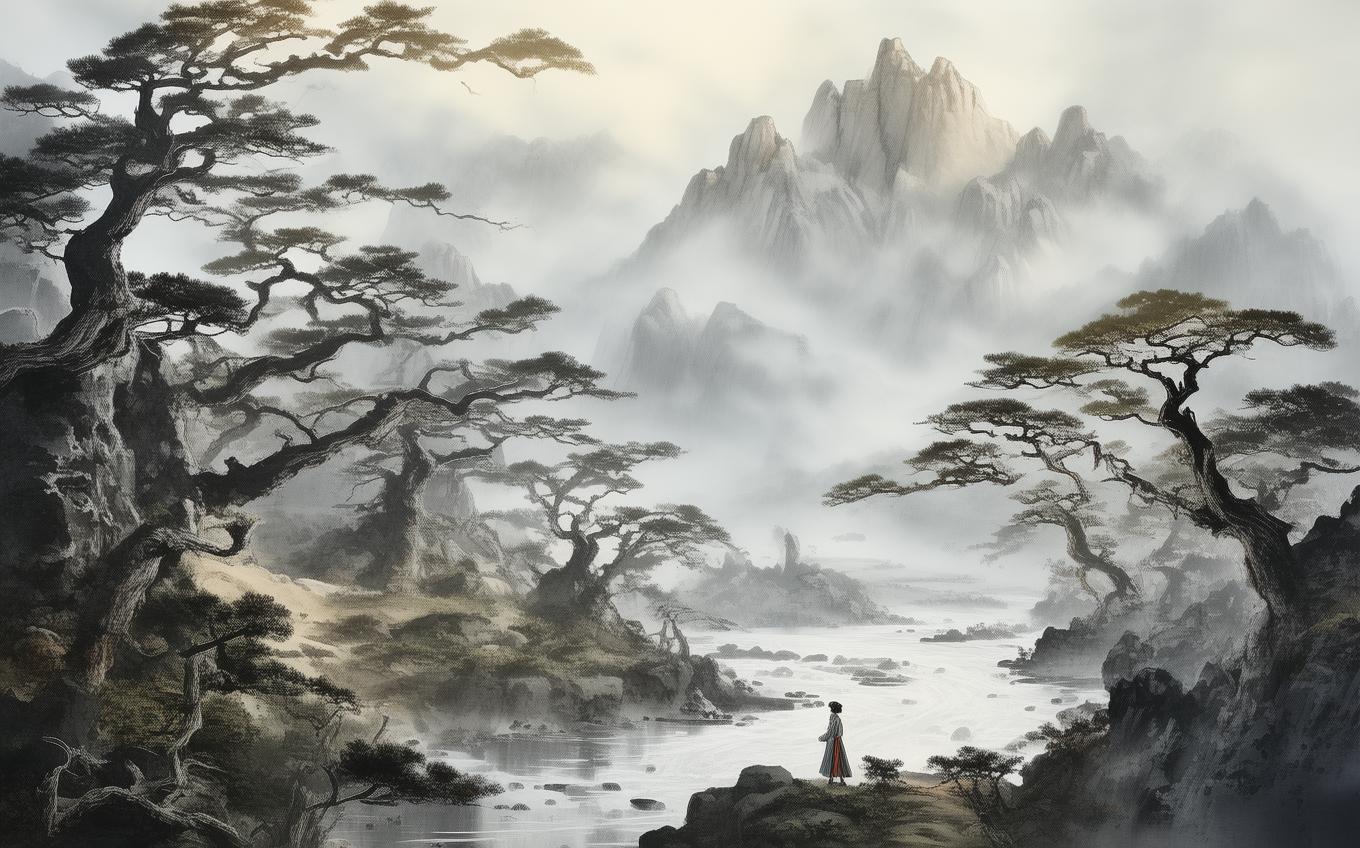
The final line, “寒不能语,舌卷入喉”, is especially vivid. The cold is not abstract; it invades the body and shuts down speech itself. The image of the tongue curling back into the throat is physical, almost shocking. This bodily detail gives the poem unusual force. Silence here is not chosen; it is imposed by nature. The frontier world strips away speech, comfort, and social connection. The speaker is reduced to bare endurance. In this way, the harsh cold becomes an external form of inner suffering.
Themes and Symbolism
One major theme of the poem is exile and estrangement. Even if the speaker is not literally banished, he exists in a state of emotional displacement. The frontier is a place far from home, and the self is portrayed as solitary and vulnerable.
Another key theme is the relationship between landscape and emotion. In classical Chinese poetry, scenery is rarely just scenery. The flowing water, open wilderness, and bitter cold all mirror the speaker’s inner experience. Nature becomes a language for sorrow.
The poem also explores hardship on the frontier. Frontier poetry was an important genre in medieval China, often dealing with soldiers, travelers, danger, and homesickness. The severe cold in the final line stands for more than climate; it symbolizes the emotional and physical cost of life at the empire’s margins.
The central symbol is water. The 陇头水 (Lǒng tóu shuǐ) flows onward without pause, much like grief or memory. Water in Chinese literature often suggests what cannot be held back: time, tears, longing, and fate. The wilderness is another key symbol, representing emotional emptiness and the absence of human warmth. Finally, cold symbolizes both physical suffering and emotional desolation.
Cultural Context
This poem belongs to the tradition of 横吹曲辞 (Héngchuī qǔ cí), songs associated with wind instruments and often linked to military or frontier settings. During the Tang dynasty, poets frequently reused older Yuefu titles, composing new poems within inherited thematic frameworks. This means that a poem like "陇头水" carries not only its own imagery but also the weight of a long literary tradition.
The frontier held a special place in Chinese imagination. It was the edge of the known world, the zone of military campaigns, political expansion, cultural contact, and personal danger. For poets and readers alike, such places could symbolize both national power and individual loneliness. A journey to the border was rarely just a physical journey; it also tested loyalty, endurance, and emotional resilience.
The poem reflects a classical Chinese tendency to express feeling indirectly through scene. Rather than openly declaring sorrow in a long personal statement, the poem lets the mountain water, the wilderness, and the freezing body speak for the speaker. This technique is central to much Chinese poetry, where emotional depth often emerges through restraint, suggestion, and resonance.
At the same time, the poem reflects values deeply rooted in Chinese literary culture: sensitivity to nature, awareness of human fragility, and sympathy for those who endure hardship far from home. Its emotional world would have been immediately recognizable to readers in a society where official travel, military service, and separation from family were common realities.
Conclusion
"横吹曲辞陇头水二" is a brief poem, but its emotional force is remarkable. With only a few images—flowing water, empty wilderness, a day’s travel, and freezing silence—it creates a powerful portrait of loneliness on the frontier. The poem shows how classical Chinese poetry can be both spare and profound, using external scenery to reveal inner pain.
Its enduring appeal lies in that fusion of landscape and feeling. Even today, readers can recognize the experience it conveys: the sense of being far from home, physically exposed, and emotionally adrift. The message of the poem is timeless—human beings often discover their deepest feelings in moments of distance, silence, and hardship.

Comments (0)
No comments yet. Be the first to comment!