1. Basic Information
- Word: 城镇
- Pinyin: chéngzhèn
- Literal Meaning: “city/town + town/settlement”
- Primary Meaning: “cities and towns”; “urban areas”; a general term for non-rural settlements
2. In-depth Explanation
- Context and Usage: 城镇 is often used in formal, administrative, or statistical contexts to refer broadly to cities and towns. It usually contrasts with 农村, meaning “rural areas” or “the countryside.”
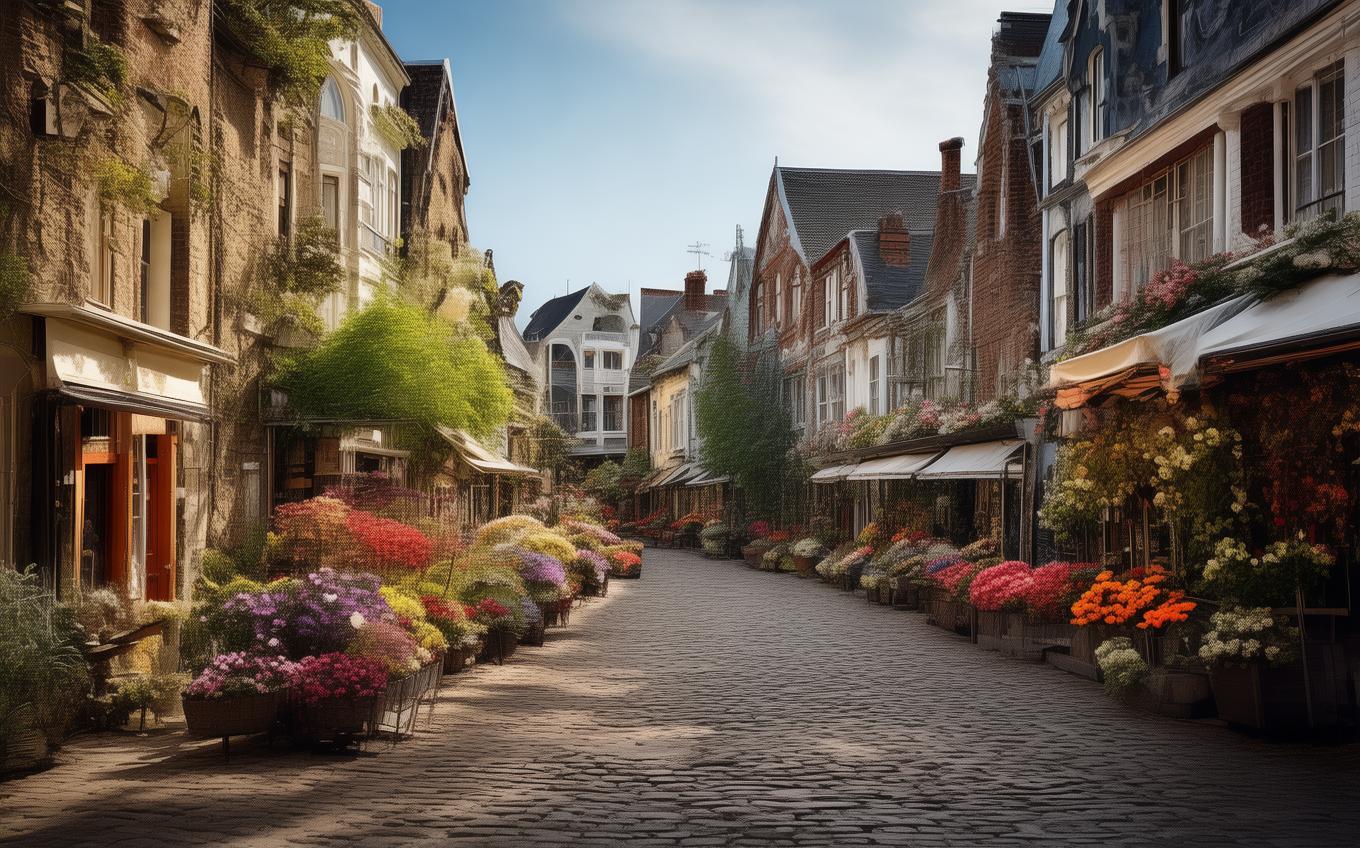
In English, 城镇 can be translated as “cities and towns,” “urban areas,” or sometimes “towns,” depending on the context. It does not usually refer to one specific town. Instead, it often describes urban settlements as a category.
For example, 城镇居民 means “urban residents,” and 城镇化 means “urbanization.” You will often see 城镇 in government reports, news, economics, population studies, and discussions about development.
- Character Breakdown:
- 城: city; city wall; urban area. Historically, 城 referred to a walled city or fortified settlement.
- 镇: town; market town; township. It often refers to a smaller urban settlement than a city.
Together, 城镇 refers to cities and towns collectively, especially as opposed to rural villages or countryside areas.
3. Example Sentences
- Chinese: 越来越多的人搬到城镇生活。
- Pinyin: Yuè lái yuè duō de rén bān dào chéngzhèn shēnghuó.
-
English: More and more people are moving to cities and towns to live.
-
Chinese: 城镇居民的生活水平逐年提高。
- Pinyin: Chéngzhèn jūmín de shēnghuó shuǐpíng zhúnián tígāo.
-
English: The living standards of urban residents are improving year by year.
-
Chinese: 政府正在推动城镇基础设施建设。
- Pinyin: Zhèngfǔ zhèngzài tuīdòng chéngzhèn jīchǔ shèshī jiànshè.
- English: The government is promoting infrastructure development in cities and towns.
Cultural Notes (if applicable)
In China, 城镇 is closely connected with the rural-urban distinction. You may encounter terms like 城镇居民, “urban residents,” and 农村居民, “rural residents.” This distinction can be important in discussions of population registration, education, healthcare, employment, housing, and economic development.
Another important related word is 城镇化, meaning “urbanization.” China’s rapid 城镇化 has been one of the major social and economic changes of recent decades, as large numbers of people have moved from rural areas to cities and towns.
Be careful not to confuse 城镇 with 城市. 城市 means “city,” usually referring to a larger urban area, while 城镇 is broader and can include both cities and smaller towns.
Conclusion
城镇 means “cities and towns” or “urban areas.” It is a useful word for formal discussions about population, development, infrastructure, and the contrast between urban and rural life. A good way to remember it is: 城 points to “city,” 镇 points to “town,” and together they refer to urban settlements in general.
Sources and Further Reading
Dictionary links are provided for independent reference. Example sentences and learning notes on this page are educational explanations rather than dictionary quotations.
Comments (0)
No comments yet. Be the first to comment!