Introduction
The poem associated with “双声子” (Shuāngshēngzǐ) is a cí poem by 柳永 (Liǔ Yǒng), one of the most influential lyric poets of the Northern Song dynasty. Unlike the regulated poems of the Tang dynasty, cí poetry was originally written to musical tunes. The title “双声子” refers not to the subject of the poem but to the tune pattern, or 词牌 (cípái), under which the poem was composed.
柳永 lived during the 11th century, a period when urban culture, commerce, entertainment, and travel flourished in Song China. He is especially famous for writing about parting, wandering, courtesans, city life, and personal melancholy. In this poem, however, he turns to history: he visits the region of ancient 吴 (Wú), especially around 姑苏 (Gūsū), present-day Suzhou, and reflects on the rise and fall of kingdoms.
The poem is significant because it blends landscape description, historical memory, and philosophical reflection. It looks at the ruins of past glory and asks a timeless question: what remains after power, beauty, and ambition have disappeared?
The Poem: Full Text and Translation
晚天萧索,
Wǎn tiān xiāo suǒ,
The evening sky is bleak and desolate,
断蓬踪迹,
Duàn péng zōng jì,
like the wandering traces of broken tumbleweed,
乘兴兰棹东游。
Chéng xìng lán zhào dōng yóu.
I follow my mood and travel east by an elegant boat.
三吴风景,
Sān Wú fēng jǐng,
The scenery of the Three Wu regions,
姑苏台榭,
Gūsū tái xiè,
the terraces and pavilions of Gusu,
牢落暮霭初收。
Láo luò mù ǎi chū shōu.
stand lonely as the evening mist begins to clear.
夫差旧国,
Fū Chāi jiù guó,
This is the old kingdom of Fuchai,
香径没、徒有荒丘。
Xiāng jìng mò, tú yǒu huāng qiū.
the fragrant paths are gone; only barren mounds remain.
繁华处,
Fán huá chù,
In places once full of splendor,
悄无睹,
Qiǎo wú dǔ,
now nothing can be seen,
惟闻麋鹿呦呦。
Wéi wén mí lù yōu yōu.
only the low calls of deer are heard.
想当年,
Xiǎng dāng nián,
Thinking back to those years,
空运筹决战,
Kōng yùn chóu jué zhàn,
strategies were vainly planned and decisive battles fought,
图王取霸无休。
Tú wáng qǔ bà wú xiū.
all in endless pursuit of kingship and domination.
江山如画,
Jiāng shān rú huà,
The rivers and mountains are like a painting,
云涛烟浪,
Yún tāo yān làng,
with cloud-like waves and misty waters,
翻输范蠡扁舟。
Fān shū Fàn Lǐ piān zhōu.
yet all this was, in the end, inferior to Fan Li’s small boat.
验前经旧史,
Yàn qián jīng jiù shǐ,
Examining the classics and old histories,
嗟漫载、当日风流。
Jiē màn zǎi, dāng rì fēng liú.
we sigh that they record in vain the elegance and glory of those days.
斜阳暮草茫茫,
Xié yáng mù cǎo máng máng,
The slanting sun shines over boundless evening grass,
尽成万古遗愁。
Jìn chéng wàn gǔ yí chóu.
all transformed into sorrow left behind for ten thousand ages.
Line-by-Line Analysis
The poem begins with a powerful mood of desolation:
晚天萧索
Wǎn tiān xiāo suǒ
The phrase “evening sky” immediately places us in a transitional moment. Evening in Chinese poetry often suggests decline, aging, separation, and historical endings. The word 萧索 (xiāo suǒ) conveys bleakness, emptiness, and a sense of fading life. Before the poet even names the historical site, he prepares us emotionally for ruin and loss.
断蓬踪迹
Duàn péng zōng jì
断蓬 (duàn péng) means broken or uprooted tumbleweed. In classical Chinese literature, tumbleweed is a common symbol of drifting and exile. It has no fixed root and is blown wherever the wind takes it. 柳永 uses this image to suggest both his own wandering life and the instability of human affairs. Kingdoms, like travelers, may appear powerful for a moment but are ultimately carried away by time.
乘兴兰棹东游
Chéng xìng lán zhào dōng yóu
The phrase 兰棹 (lán zhào) literally means “orchid oar,” a refined poetic expression for a beautiful boat. The speaker travels east in a boat, apparently following spontaneous pleasure. Yet this pleasure is complicated. The journey is not simply sightseeing; it becomes a meditation on history.
The next lines introduce the setting:
三吴风景
Sān Wú fēng jǐng
三吴 (Sān Wú) refers to the broader cultural region of Wu in southeastern China, especially around present-day Jiangsu and Zhejiang. This area was famous for its water towns, refined culture, wealth, and beauty. By invoking “Three Wu,” the poet evokes a region rich in both natural scenery and historical memory.
姑苏台榭
Gūsū tái xiè
姑苏 (Gūsū) is an ancient name associated with Suzhou. It was famously connected with the state of Wu during the Spring and Autumn period. 台榭 (tái xiè) refers to terraces, towers, and pavilions—structures associated with royal luxury and pleasure. These are not just buildings; they symbolize political power, aristocratic refinement, and sensual enjoyment.
牢落暮霭初收
Láo luò mù ǎi chū shōu
The pavilions are described as 牢落 (láo luò), meaning lonely, neglected, and desolate. The evening mist begins to lift, revealing not grandeur but abandonment. This is a classic technique in Chinese poetry: the clearing of mist does not bring clarity and joy, but exposes the sadness of ruins.
The poem then directly names the historical figure at the center of its reflection:
夫差旧国
Fū Chāi jiù guó
夫差 (Fū Chāi) was the king of Wu during the late Spring and Autumn period. He is remembered as a ruler who defeated the state of Yue but later became complacent and was eventually destroyed by Yue’s king, Goujian. His story became a moral lesson about ambition, pleasure, revenge, and political decline.
香径没、徒有荒丘
Xiāng jìng mò, tú yǒu huāng qiū
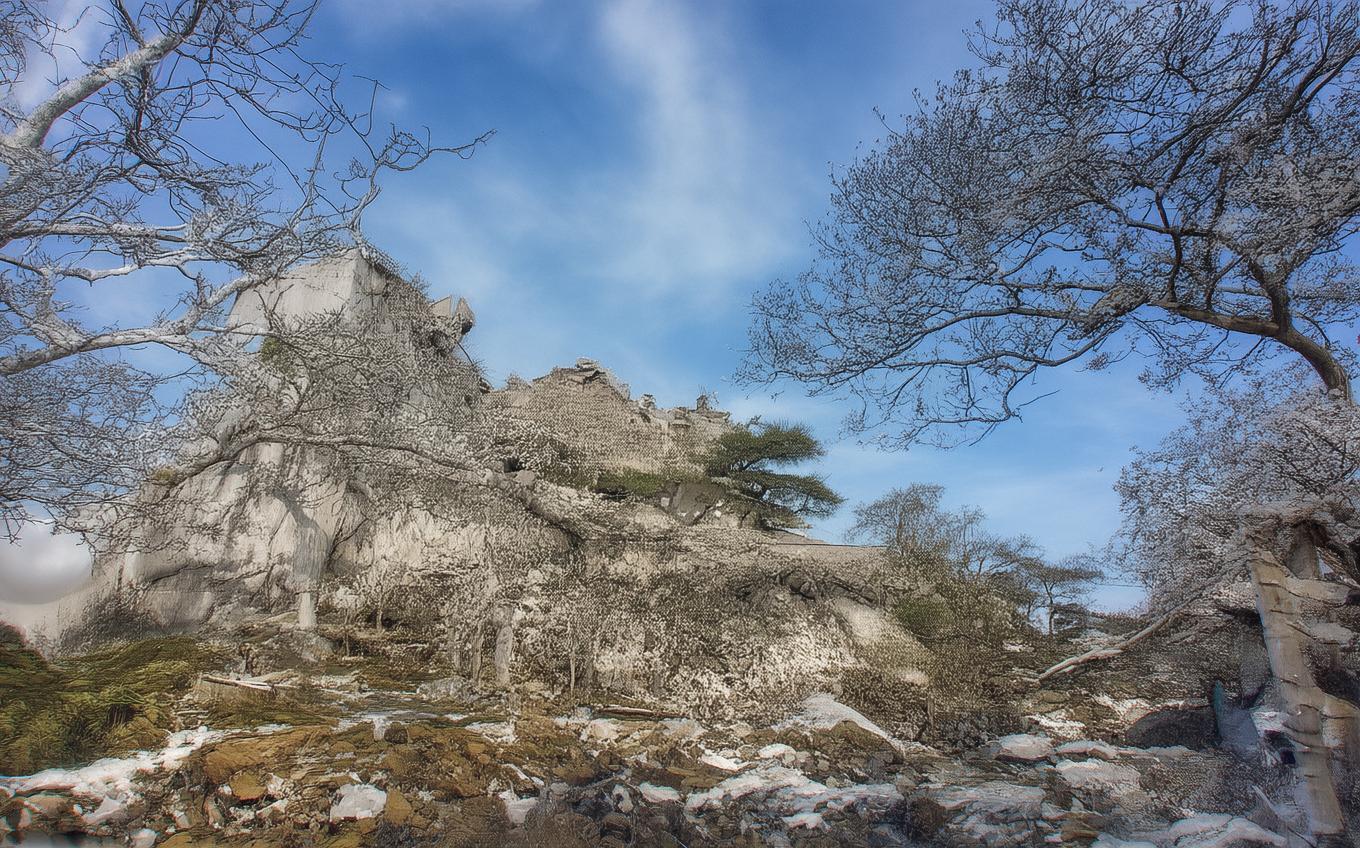
The “fragrant paths” likely refer to the luxurious palace grounds associated with the Wu court, sometimes connected in later imagination with beautiful women, flowers, and royal pleasure. But these paths have disappeared. What remains are only 荒丘 (huāng qiū), barren mounds.
The contrast is sharp: fragrance has become barrenness; pleasure has become silence; imperial magnificence has become earth.
繁华处
Fán huá chù
繁华 (fán huá) means prosperity, splendor, and bustling beauty. This word carries emotional weight because it evokes what once was: music, people, courtly ceremony, silk garments, and political confidence.
悄无睹
Qiǎo wú dǔ
Now, however, nothing is visible. The phrase suggests an almost frightening quietness. History has not merely declined; it has vanished from sight.
惟闻麋鹿呦呦
Wéi wén mí lù yōu yōu
Only the calls of deer remain. In Chinese literature, deer appearing in former palaces or capitals often symbolize dynastic ruin. Human civilization has retreated, and nature has reclaimed the space. The sound 呦呦 (yōu yōu) imitates the cry of deer, making the scene vivid and haunting.
The second half of the poem shifts from landscape to historical judgment:
想当年
Xiǎng dāng nián
“Thinking back to those years” marks a movement into memory. The poet imagines the age of kings and warriors, when the state of Wu struggled for dominance.
空运筹决战
Kōng yùn chóu jué zhàn
The phrase 运筹 (yùn chóu) means to devise military strategy. 决战 (jué zhàn) means decisive battle. But the key word is 空 (kōng), “empty” or “in vain.” From the perspective of history, all those strategies and battles now seem futile.
图王取霸无休
Tú wáng qǔ bà wú xiū
This line describes the endless pursuit of becoming king or hegemon. In the Spring and Autumn period, states competed for dominance. Yet 柳永 portrays this ambition as restless and ultimately meaningless. The rulers fought for supremacy, but time defeated them all.
江山如画
Jiāng shān rú huà
This is one of the most beautiful lines in the poem. 江山 (jiāng shān) means rivers and mountains, but it can also mean a country or realm. The landscape is “like a painting,” suggesting both natural beauty and political territory.
云涛烟浪
Yún tāo yān làng
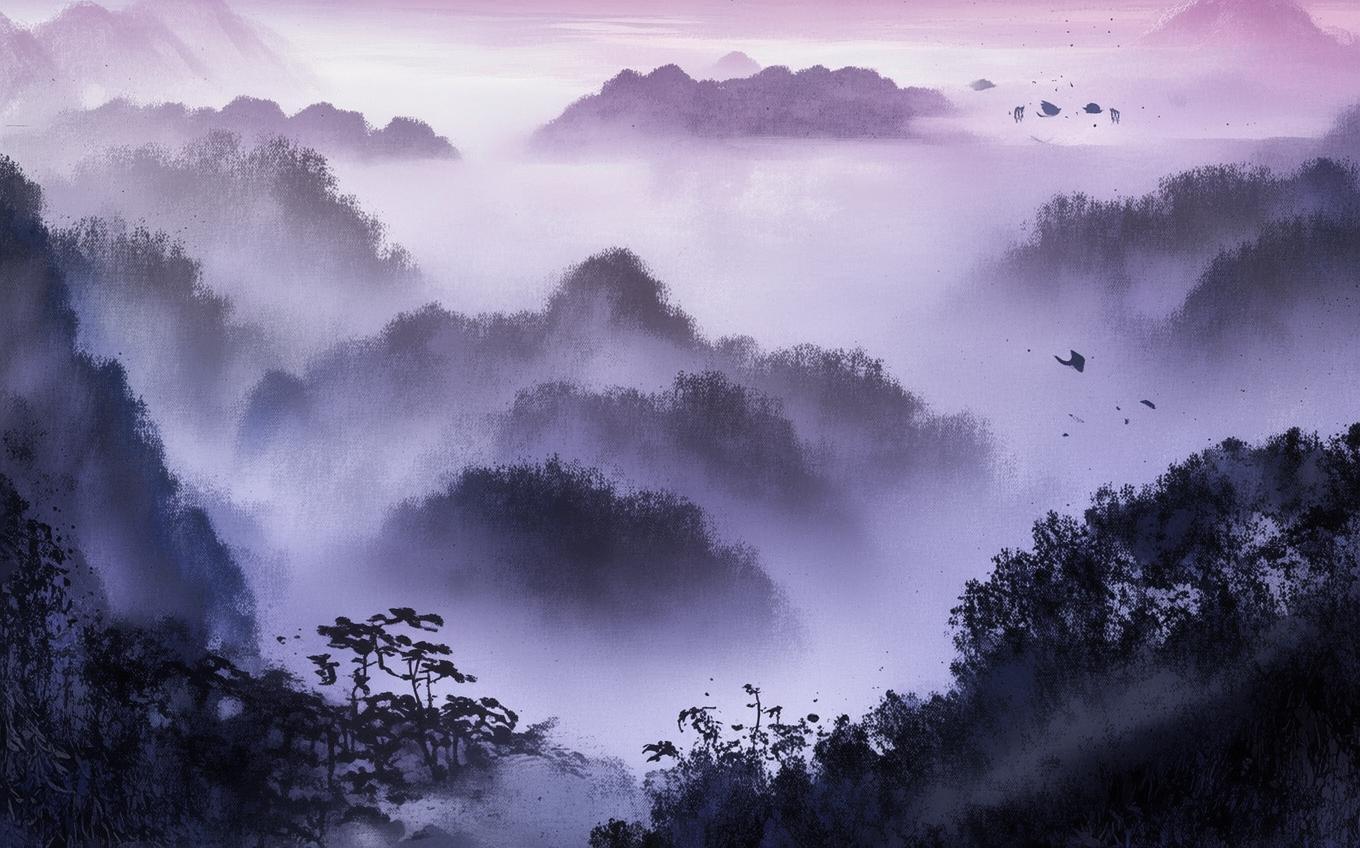
Clouds, waves, mist, and water create a soft, dreamlike image. The physical world is magnificent, but also unstable and shifting. Mist and waves are never fixed; they mirror the impermanence of power.
翻输范蠡扁舟
Fān shū Fàn Lǐ piān zhōu
This is a crucial historical allusion. 范蠡 (Fàn Lǐ) was a brilliant minister of the state of Yue who helped King Goujian defeat Wu. After achieving success, he famously withdrew from politics and sailed away in a small boat. In Chinese cultural memory, Fan Li represents wisdom: he understood that political glory is dangerous and temporary.
The phrase means that all the painted rivers and mountains, all the grandeur of empire, are ultimately “inferior” to Fan Li’s small boat. In other words, withdrawal is wiser than ambition. Freedom is better than power.
验前经旧史
Yàn qián jīng jiù shǐ
The poet now turns to written history. The classics and old records preserve stories of rulers, battles, and heroes. But reading history does not restore the past; it only deepens the poet’s melancholy.
嗟漫载、当日风流
Jiē màn zǎi, dāng rì fēng liú
风流 (fēng liú) here means elegance, brilliance, charm, and heroic distinction. The poet sighs that history records these glories “in vain.” The people were once impressive, but their lives are now only words on a page.
The final image brings the poem back to the landscape:
斜阳暮草茫茫
Xié yáng mù cǎo máng máng
The setting sun and evening grass are classic symbols of decline. 茫茫 (máng máng) suggests vastness and indistinctness. The ruins are swallowed by grass and light. The human past becomes part of the natural scene.
尽成万古遗愁
Jìn chéng wàn gǔ yí chóu
Everything has become 遗愁 (yí chóu), sorrow left behind. The phrase 万古 (wàn gǔ) means “through all ages” or “for eternity.” The poem ends not with a solution, but with a lingering sadness. History leaves behind beauty, but also grief.
Themes and Symbolism
One of the central themes of the poem is the impermanence of power. The state of Wu was once mighty, and King Fuchai once pursued dominance over rival states. Yet the poem shows that military ambition and political glory eventually disappear. What remains is not victory, but ruins.
Another major theme is historical melancholy. 柳永 does not simply describe an old place; he feels the weight of time. The poem belongs to a long Chinese tradition of 怀古 (huáigǔ), or “meditation on the past.” In such poems, the poet visits a historical site and reflects on the rise and fall of heroes, dynasties, and civilizations.
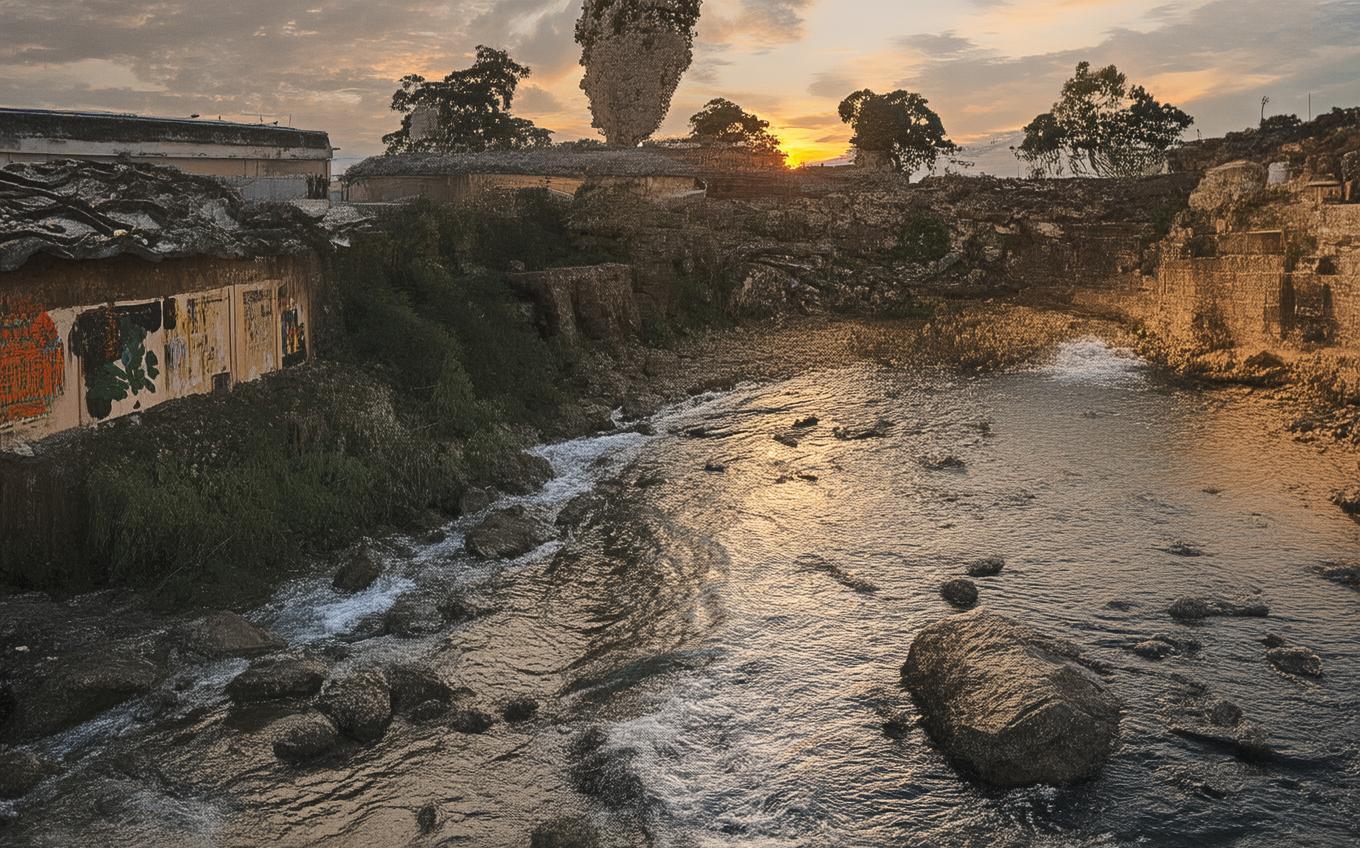
Nature also plays a symbolic role. The evening sky, mist, deer, grass, and setting sun all suggest decline and transformation. Nature outlasts human ambition. Palaces fall, but grass grows. Kings die, but rivers continue to flow.
The figure of 范蠡 (Fàn Lǐ) is especially important. He symbolizes political wisdom and spiritual freedom. Unlike rulers who cling to power, Fan Li knows when to leave. His small boat becomes a symbol of escape from the dangerous world of ambition. In this way, the poem contrasts two life choices: pursuing domination like Fuchai, or withdrawing gracefully like Fan Li.
The deer are also meaningful. Their calls in former places of splendor suggest that human civilization has faded and the wild has returned. This image appears often in Chinese reflections on dynastic ruin: where music and court ritual once sounded, only animals now cry.
Cultural Context
The poem looks back to the Spring and Autumn period, an era of political fragmentation and warfare in ancient China. During this time, powerful states competed for influence, and rulers sought to become 霸 (bà), or hegemon. The story of Wu and Yue became one of the most famous political dramas in Chinese history.
King Fuchai of Wu defeated Yue and humiliated its ruler, Goujian. But Goujian endured hardship, rebuilt his state, and eventually destroyed Wu. Fan Li, Goujian’s minister, played a major role in this victory. Yet instead of remaining at court after success, Fan Li left. This act made him a model of worldly wisdom in Chinese culture.
For Song dynasty readers, these ancient stories were not remote legends. They were moral examples. Chinese literati often used historical sites to think about ethical choices: Should one pursue office and fame? Should one withdraw from politics? Is success worth the danger it brings?
柳永’s own life gives this poem added emotional depth. He spent much of his life traveling and often felt alienated from official success. Although he became famous for his lyrics, he did not achieve the kind of political career many educated men desired. His sympathy for wandering, loss, and impermanence can be felt throughout the poem.
The poem also reflects ideas close to Daoist and Confucian thought. From a Daoist perspective, Fan Li’s withdrawal suggests harmony with the natural flow of life and freedom from worldly desire. From a Confucian historical perspective, the fall of Wu serves as a moral warning against arrogance, indulgence, and endless ambition.
Conclusion
柳永’s “双声子” is a beautiful and sorrowful meditation on history. Through images of evening skies, ruined palaces, crying deer, misty waves, and sunset grass, the poem shows how human glory fades into silence. The old kingdom of Fuchai has vanished, and the splendor of Gusu survives only as memory.
Yet the poem is not merely pessimistic. By invoking Fan Li’s small boat, 柳永 suggests another kind of wisdom: the ability to leave ambition behind. The poem asks readers to consider what truly lasts. Is it power, territory, and fame? Or is it the clarity to recognize when enough is enough?
For modern readers, the poem remains deeply relevant. In any age, people chase success, status, and recognition. 柳永 reminds us that history is full of vanished triumphs. What endures may not be worldly achievement, but insight, humility, and the quiet freedom of knowing when to let go.
Comments (0)
No comments yet. Be the first to comment!