Introduction
-
柳永 (Liǔ Yǒng, c. 987–1053) was one of the most influential lyric poets of the Northern Song dynasty. He is especially famous for writing 词 (cí)—song lyrics set to existing musical tunes. Unlike many elite poets who preferred restrained classical forms, Liu Yong often wrote about urban life, travel, longing, romance, and the sorrow of separation in a direct and emotionally vivid style.
-
《阳台路》 (Yángtái Lù) is the name of a 词牌 (cípái), a tune pattern, rather than simply a title in the modern sense. The phrase “阳台” evokes the famous legend of the King of Chu and the Goddess of Wushan, a story associated with dreamlike love and the phrase “clouds and rain”—a classical symbol of romantic union.
-
This poem is significant because it shows Liu Yong’s characteristic ability to combine personal emotion, travel imagery, and romantic memory. It transforms a lonely journey through autumn landscapes into a meditation on lost intimacy and emotional exile.
The Poem: Full Text and Translation
楚天晚,坠冷枫败叶,疏红零乱。
Chǔ tiān wǎn, zhuì lěng fēng bài yè, shū hóng língluàn.
Evening falls over the skies of Chu; cold maples shed withered leaves, scattered red in disorder.
冒征尘、匹马驱驱,愁见水遥山远。
Mào zhēng chén, pǐ mǎ qūqū, chóu jiàn shuǐ yáo shān yuǎn.
Braving the dust of travel, I ride alone on my horse, sadly seeing rivers stretch far and mountains recede into the distance.
追念年时,正恁凤帏,倚香偎暖。
Zhuīniàn niánshí, zhèng nèn fèng wéi, yǐ xiāng wēi nuǎn.
I recall those former days, when inside the phoenix-curtained chamber, I leaned close to fragrance and nestled in warmth.
嬉游惯。
Xīyóu guàn.
We had grown used to pleasure and wandering together.
又岂知、前欢云雨分散。
Yòu qǐ zhī, qián huān yúnyǔ fēnsàn.
How could we have known that our former joys, our clouds and rain, would be scattered apart?
此际空劳回首,望帝里、难收泪眼。
Cǐ jì kōng láo huíshǒu, wàng dìlǐ, nán shōu lèi yǎn.
At this moment I turn back in vain; gazing toward the capital, I cannot hold back my tear-filled eyes.
暮烟衰草,算暗锁、路岐无限。
Mù yān shuāi cǎo, suàn àn suǒ, lù qí wúxiàn.
Evening mist and withered grass seem to darkly seal countless branching roads.
今宵又、依前寄宿,甚处苇村山馆。
Jīn xiāo yòu, yīqián jìsù, shèn chù wěi cūn shān guǎn.
Tonight again, as before, I must lodge somewhere—perhaps in a reed village or a mountain inn.
寒灯畔。
Hán dēng pàn.
Beside a cold lamp.
夜厌厌、凭何消遣。
Yè yānyān, píng hé xiāoqiǎn.
The night drags on heavily—what can I rely on to pass the time?
Line-by-Line Analysis
“楚天晚,坠冷枫败叶,疏红零乱。”
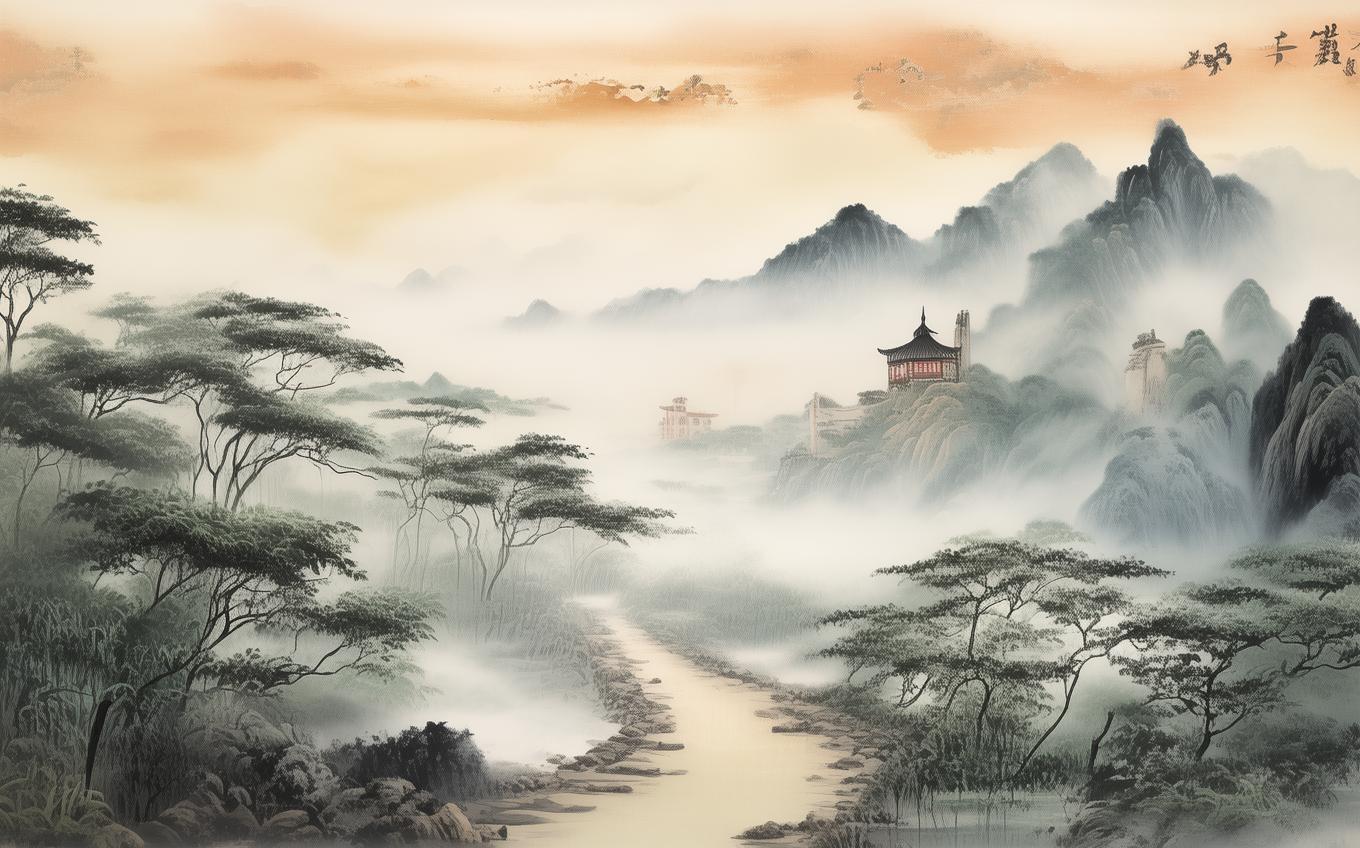
The poem opens with a wide autumn landscape: “楚天” (Chǔ tiān), “the skies of Chu.” Chu was an ancient state in southern China, often associated in poetry with mist, rivers, mountains, and emotional melancholy. By invoking Chu, Liu Yong immediately places the speaker in a remote, southern, and somewhat dreamlike world.
The falling maple leaves are described as “cold” and “withered.” Their red color is no longer bright and full of life; it is “疏红零乱”, scattered red, sparse and disordered. This autumn imagery reflects the speaker’s emotional state: love has declined, warmth has disappeared, and memory lies scattered like fallen leaves.
“冒征尘、匹马驱驱,愁见水遥山远。”
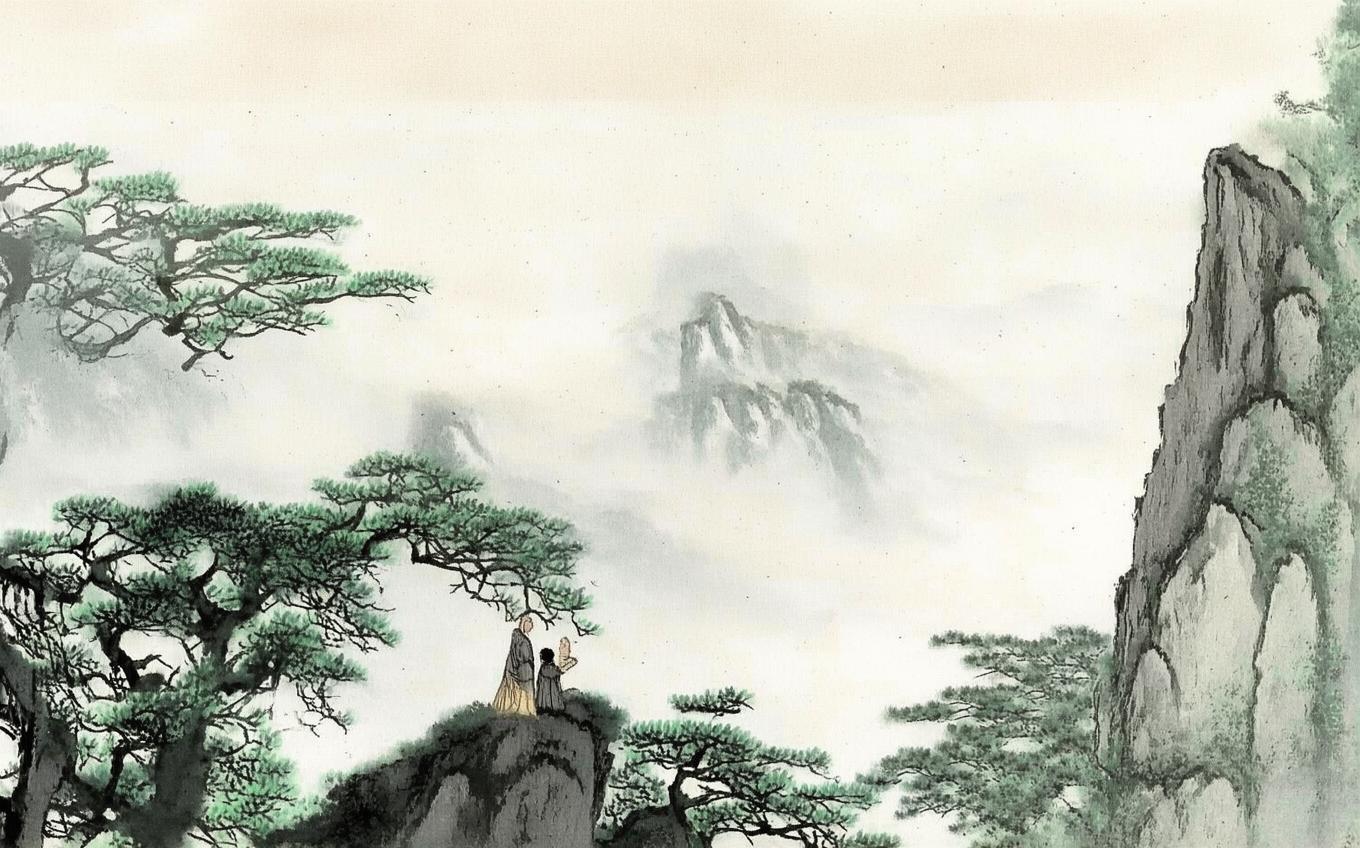
The speaker is a traveler. He is “冒征尘”, braving the dust of the road. The phrase suggests hardship and restlessness. He rides “匹马”, a single horse, emphasizing solitude.
The landscape—distant rivers and far mountains—does not bring peace. Instead, it intensifies sorrow. In Chinese poetry, mountains and rivers often symbolize separation: they are beautiful, but they also stand between the lover and the beloved. The farther the rivers and mountains extend, the more impossible reunion seems.
“追念年时,正恁凤帏,倚香偎暖。”
Here the poem turns from the outer landscape to inner memory. The speaker recalls “年时”, former days. The phrase “凤帏”, “phoenix curtains,” suggests an elegant bedroom or intimate chamber. The phoenix is associated with beauty, refinement, and romance.
“倚香偎暖” is a deeply sensual phrase. Literally, it means leaning against fragrance and nestling in warmth. The beloved is not named directly; instead, she is evoked through scent, warmth, and closeness. This indirectness is typical of classical Chinese love poetry, where emotion is often conveyed through atmosphere rather than explicit statement.
“嬉游惯。”
This short line is emotionally powerful because of its simplicity. The lovers had become accustomed to joy, play, and shared wandering. The word “惯”, “accustomed,” suggests that happiness once felt natural and secure. But this makes the loss even more painful: what was once ordinary has become unreachable.
“又岂知、前欢云雨分散。”
The phrase “云雨” (yúnyǔ), “clouds and rain,” is one of the most important cultural references in the poem. It alludes to the legend of the Goddess of Wushan, who appeared to the King of Chu in a dream and described herself as morning clouds and evening rain. Over time, “clouds and rain” became a poetic symbol for romantic or sexual union.
Here, however, the “clouds and rain” have “分散”, scattered apart. A symbol of intimacy becomes a symbol of separation. The speaker asks, “How could we have known?” This expresses the shock of impermanence: love seemed lasting, but it dissolved like weather.
“此际空劳回首,望帝里、难收泪眼。”
The speaker now looks back toward “帝里”, the imperial capital. In Liu Yong’s poetry, the capital often represents not only political center and urban prosperity, but also the place of love, music, pleasure, and memory.
The phrase “空劳回首” means that turning back is useless. The beloved is far away; the past cannot be recovered. Yet he still looks back. This is a classic emotional posture in Chinese poetry: the body moves forward, but the heart remains behind.
His tears cannot be restrained. Liu Yong’s emotional directness is notable here. Unlike more reserved poets, he often allows grief to appear openly and dramatically.
“暮烟衰草,算暗锁、路岐无限。”
The scene grows darker. Evening mist and withered grass create a bleak roadside atmosphere. The verb “锁”, “to lock,” is striking: the roads seem locked in darkness.
“路岐无限”, countless branching roads, has both literal and symbolic meaning. Literally, the traveler faces many roads. Symbolically, life itself has become uncertain. Separation produces confusion: which path leads forward, and which path leads back? The roads are many, but none promises reunion.
“今宵又、依前寄宿,甚处苇村山馆。”
The poem becomes very concrete: tonight the speaker must again find temporary lodging. “寄宿” means to lodge as a guest, suggesting instability and rootlessness.
The possible places—“苇村”, a reed village, and “山馆”, a mountain inn—are lonely, remote, and humble. They contrast sharply with the warm, perfumed chamber remembered earlier. The poem moves from 凤帏 to 苇村山馆: from intimacy to exile, from fragrance to coldness, from home-like pleasure to roadside lodging.
“寒灯畔。”
This brief phrase isolates a single image: a cold lamp. In Chinese poetry, a lamp at night often suggests loneliness, sleeplessness, and private sorrow. The adjective “寒”, cold, does not merely describe temperature; it describes emotional atmosphere.
The speaker is not just physically alone. He is spiritually chilled by memory.
“夜厌厌、凭何消遣。”
The final line lingers in emotional exhaustion. “厌厌” suggests weariness, oppression, and heaviness. The night is not peaceful; it is something to endure.
The question “凭何消遣”, “what can I rely on to pass the time?” ends the poem without resolution. There is no philosophical consolation, no reunion, no sudden enlightenment. The poem closes with the raw reality of sleepless loneliness.
Themes and Symbolism
1. Separation and Longing
The central theme is separation from a beloved. The speaker’s journey through autumn landscapes mirrors his emotional distance from past happiness. Mountains, rivers, roads, and inns all become symbols of separation.
2. Memory and the Lost Past
The poem contrasts the present journey with memories of former intimacy. The remembered chamber is warm, fragrant, and enclosed; the present world is cold, vast, and exposed. This contrast gives the poem its emotional structure.
3. Autumn as Emotional Decline
Autumn imagery—falling leaves, withered grass, evening mist—symbolizes decline and loss. In classical Chinese poetry, autumn often evokes sadness, aging, exile, and the fragility of human happiness.
4. “Clouds and Rain” as Romantic Symbol
The phrase “云雨” carries a rich cultural meaning. It refers to the Wushan goddess legend and symbolizes erotic or romantic union. In this poem, however, the phrase is used to emphasize that such union has vanished. Love, like clouds and rain, is beautiful but transient.
5. The Road as Life’s Uncertainty
The title 《阳台路》 contains the word “路”, road. The poem is full of travel imagery: dust, horse, distant waters, mountains, branching paths, temporary lodging. The road represents not only physical movement but also the unstable course of life after love has been lost.
Cultural Context
The poem belongs to the 宋代 (Sòng dynasty, 960–1279) tradition of 词 (cí) poetry. Ci poems were originally lyrics written to musical tunes, often performed in entertainment districts. Because of this musical origin, ci poetry was especially suited to themes of love, longing, parting, and private emotion.
Liu Yong was famous for expanding the expressive range of ci. He wrote in a more colloquial and emotionally direct style than many earlier poets. His works often feature travelers, courtesans, lovers, and people living on the margins of official success. This made his poetry extremely popular among singers and urban audiences.
The reference to 阳台 connects the poem to the ancient myth of Wushan. According to tradition, the King of Chu dreamed of a goddess who came to him in love and then vanished, saying she would appear as morning clouds and evening rain. This legend became a major poetic symbol for dreamlike romance and the sadness of impermanence.
The poem also reflects a broader Chinese cultural sensitivity to time, place, and emotional atmosphere. Rather than explain his sorrow abstractly, Liu Yong lets the landscape express it: falling leaves, evening mist, distant mountains, lonely inns, and a cold lamp. This fusion of emotion and scenery is one of the great strengths of classical Chinese poetry.
Conclusion
Liu Yong’s 《阳台路》 is a moving poem of travel, memory, and romantic loss. Its beauty lies in the way it shifts between vast autumn scenery and intimate recollection. The speaker rides through distant mountains and rivers, but emotionally he remains trapped in the memory of a vanished love.
For modern readers, the poem remains powerful because its feelings are universal. Many people know what it means to move forward in life while still looking back, to pass through unfamiliar places while carrying the warmth of a lost past. Through its cold lamp, scattered leaves, and endless roads, 《阳台路》 reminds us that love and memory can make even the largest world feel lonely—and that poetry can give lasting form to the most fragile human emotions.
Comments (0)
No comments yet. Be the first to comment!