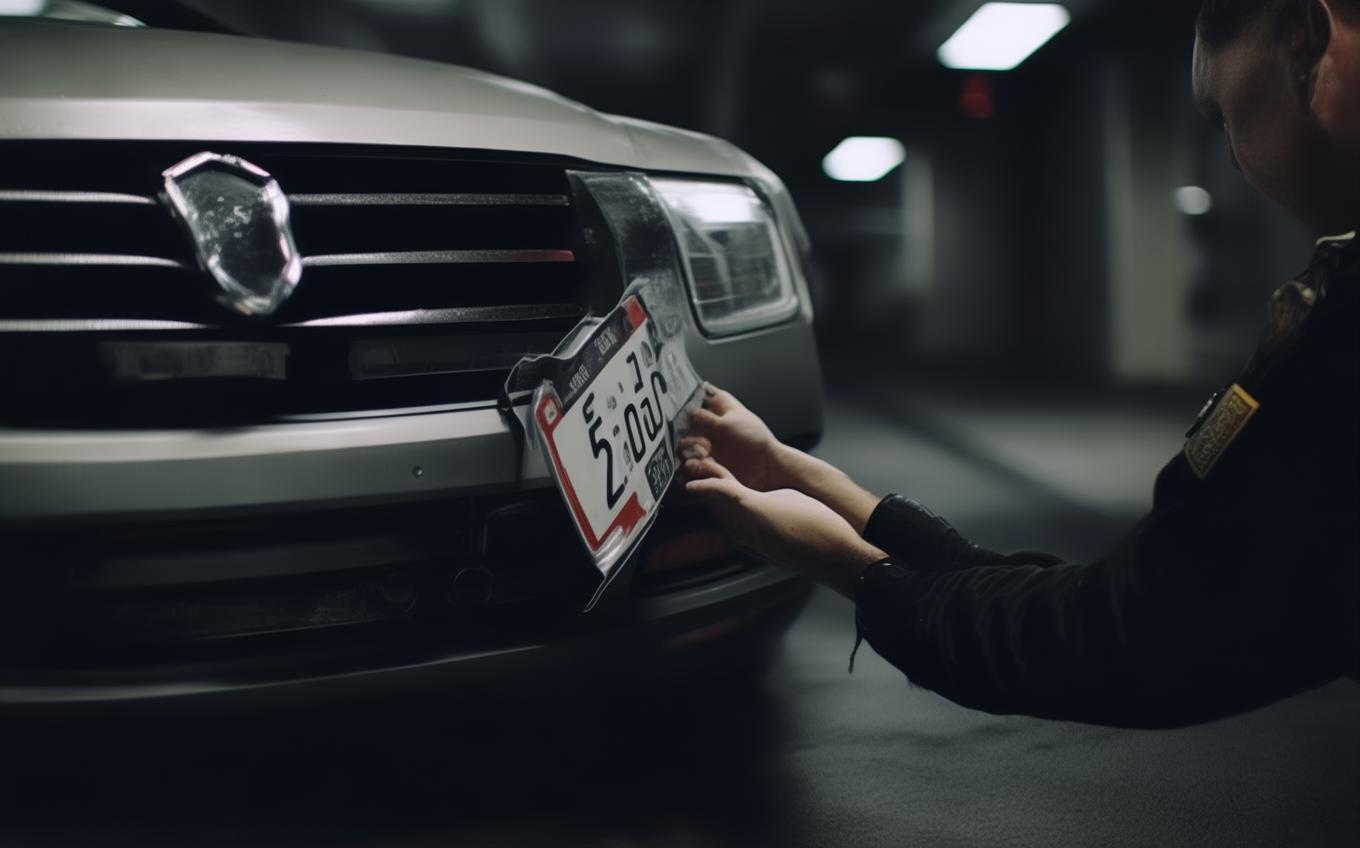
1. Basic Information
- Word: 吊销
- Pinyin: diào xiāo
- Literal Meaning: “to hang/suspend” + “to cancel/remove”
- Primary Meaning: to revoke, cancel, or officially invalidate a license, permit, certificate, or legal qualification
2. In-depth Explanation
- Context and Usage:
吊销 is a formal Chinese verb used when an authority officially takes away someone’s legal right, license, permit, certificate, or qualification. It is often used in legal, administrative, traffic, business, and professional contexts.
In English, 吊销 is usually translated as “to revoke” or “to cancel,” especially when referring to something issued by an official organization or government department.
Common phrases include:
- 吊销驾照: to revoke a driver’s license
- 吊销执照: to revoke a license
- 吊销营业执照: to revoke a business license
- 吊销许可证: to revoke a permit
A key nuance is that 吊销 usually implies punishment or official action because of a violation, illegal behavior, or failure to meet requirements. It is stronger and more formal than simply “canceling” something voluntarily.
For example, if someone chooses to cancel a subscription, you would not use 吊销. But if the government cancels a company’s business license because it broke the law, 吊销 is appropriate.
- Character Breakdown:
吊 originally means “to hang” or “to suspend.” In this word, it carries the sense of something being taken away or suspended by authority.
销 means “to cancel,” “to remove,” “to sell,” or “to melt away,” depending on context. In 吊销, it means “to cancel” or “to invalidate.”
Together, 吊销 means an official cancellation or revocation, especially of a legal document, right, or qualification.
3. Example Sentences
- Chinese: 他因为酒后驾车被吊销了驾照。
- Pinyin: Tā yīnwèi jiǔ hòu jiàchē bèi diào xiāo le jiàzhào.
-
English: His driver’s license was revoked because he drove after drinking alcohol.
-
Chinese: 这家公司因违法经营被吊销了营业执照。
- Pinyin: Zhè jiā gōngsī yīn wéifǎ jīngyíng bèi diào xiāo le yíngyè zhízhào.
-
English: This company had its business license revoked for illegal business operations.
-
Chinese: 如果医生严重违反规定,可能会被吊销执业资格。
- Pinyin: Rúguǒ yīshēng yánzhòng wéifǎn guīdìng, kěnéng huì bèi diào xiāo zhíyè zīgé.
- English: If a doctor seriously violates regulations, their professional qualification may be revoked.
Cultural Notes (if applicable)
In Chinese legal and administrative language, 吊销 often appears in official notices, government documents, police reports, and news articles. It usually signals a serious consequence. For example, 吊销驾照 is a common penalty for dangerous traffic violations such as drunk driving.
Learners should notice that Chinese often uses the passive structure 被 + 吊销 when talking about the person or organization losing the license or qualification:
- 被吊销驾照: to have one’s driver’s license revoked
- 被吊销执照: to have one’s license revoked
This structure is very natural because the action is usually done by an authority to a person or organization.
Conclusion
吊销 means “to revoke” or “to officially cancel,” especially a license, permit, certificate, or qualification. Remember that it is formal and usually used when an authority takes something away as a penalty or legal action. Common examples include 吊销驾照, 吊销营业执照, and 吊销执业资格.
Sources and Further Reading
Dictionary links are provided for independent reference. Example sentences and learning notes on this page are educational explanations rather than dictionary quotations.



Comments (0)
No comments yet. Be the first to comment!